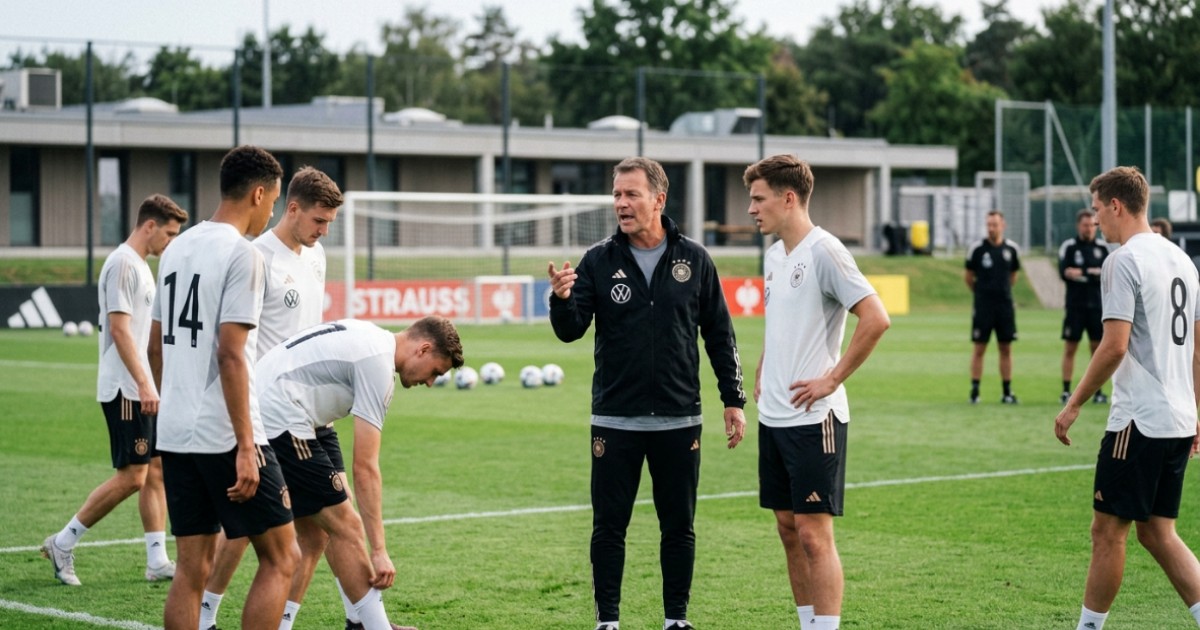
Germany, the four-time world champions, are preparing to reclaim their lost glory at the 2026 FIFA World Cup. Since their triumph at the Maracanã in 2014, the team has struggled to replicate their past dominance on the global stage. The group-stage exits in the 2018 and 2022 tournaments left fans stunned and marked the darkest period in modern German football history. However, after a promising run at the UEFA Euro 2024, the team is attempting to mount a serious challenge for the title, aiming to put their recent tournament failures firmly behind them.
The midfield and attacking transition play remain the strongest components of this squad. Young talents such as Jamal Musiala, Florian Wirtz, and the promising Lennart Karl form the core of Julian Nagelsmann’s tactical setup. The sudden return of veteran goalkeeper Manuel Neuer has stabilized the defensive unit, bringing much-needed experience to the backline. Despite this, Nagelsmann faces the persistent challenge of defining the optimal striker role and balancing the central midfield pivot. Tactical flexibility will be paramount if they are to navigate the group stages successfully.
Germany is set to begin their campaign on June 14 against Curacao. Their history of stumbling in opening matches during the last two World Cups makes this fixture critical. The tactical plan revolves around a 4-2-3-1 formation, with Kai Havertz expected to lead the line as a lone striker. The weight of expectation is high, particularly with Nagelsmann, who despite his youth compared to players like Neuer, has managed to guide the team to four consecutive victories during the qualification phase.
As the tournament approaches, the question remains whether this new generation, combined with veteran leadership, can overcome the mental and tactical hurdles of the past. Having reached the World Cup final eight times in their history, the Germans are aiming for a fifth title. Whether they can erase the memories of their recent failures or stumble once more will be determined starting on June 14. For German football, this tournament represents more than just a competition; it is a search for identity and the restoration of their standing as a dominant global powerhouse.