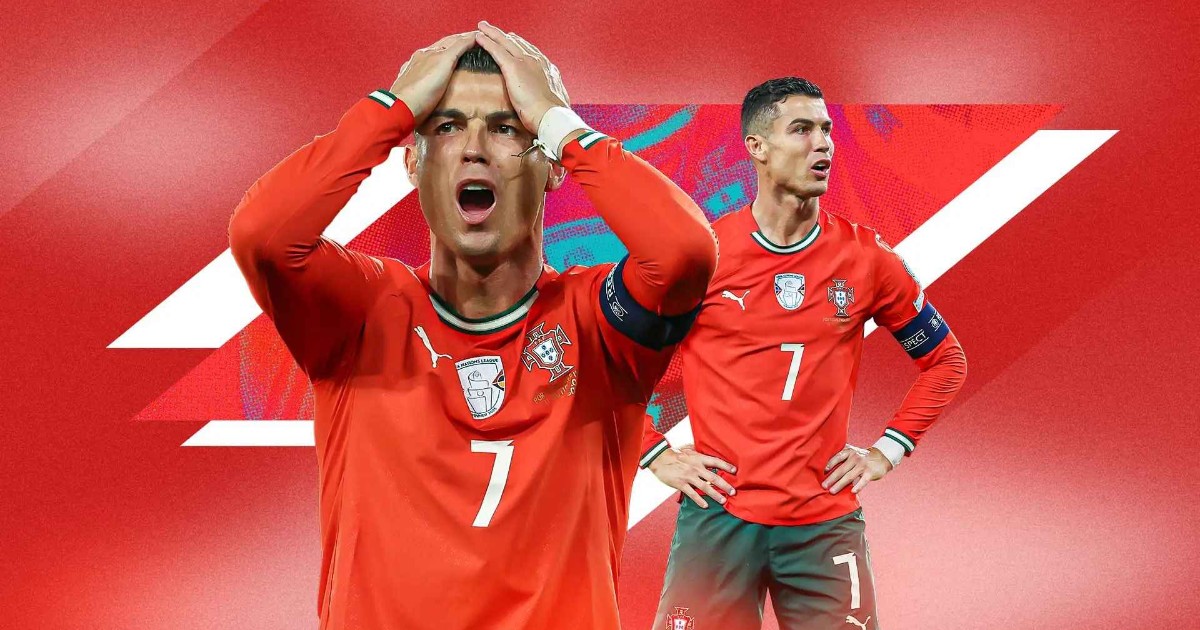
Cristiano Ronaldo is poised to reach a historic milestone at the 2026 FIFA World Cup. By taking the pitch in North America, the Portuguese legend will join Lionel Messi and Guillermo Ochoa in the elite club of players to have appeared in six different World Cup tournaments. Over a storied 23-year career, Ronaldo has transformed not only the face of Portuguese football but has also become a global icon of athletic discipline. However, as the tournament approaches, the 41-year-old superstar finds himself at the center of a fervent debate regarding his role within the current Portugal squad.
The conversation surrounding Ronaldo’s participation is divided. Some critics argue that the modern game demands a level of fluidity that conflicts with Ronaldo`s current playing style. Legendary Portuguese player Antonio Simoes has been among those vocal about the team`s dynamics, suggesting that the side needs to prioritize collective movement over individual accolades. In contrast, Portugal`s head coach, Roberto Martinez, has firmly defended the veteran striker. Martinez characterizes the criticism as misguided, pointing to Ronaldo’s remarkable output, which includes 25 goals in his last 31 appearances for the national team.
Statistical analysis offers a nuanced view of the situation. While Ronaldo remains a clinical finisher, some observers point to recent matches where Portugal appeared more dynamic in his absence. Victories against Luxembourg and Armenia, played without the captain, showcased a high-tempo style that many analysts suggest could be the blueprint for Portugal`s future. This has led to speculation about whether the squad operates more cohesively when the tactical focus is distributed rather than centered on a single superstar.
Despite these tactical discussions, Ronaldo’s objectives for the 2026 tournament remain clear. He enters the competition with eight World Cup goals, placing him just one shy of Eusebio`s record of nine for Portugal. Surpassing this mark would solidify his standing in his nation’s history books. More importantly, the World Cup trophy represents the final missing piece of his illustrious career. For Ronaldo, this tournament is not just another appearance; it is an attempt to conclude his international journey on the highest possible note.
As Portugal prepares for their opening match against the Democratic Republic of the Congo, the team faces the challenge of balancing Ronaldo’s immense legacy with the requirements of a modern, competitive squad. The Football Federation of Portugal has maintained that their focus remains on achieving success, brushing aside off-field distractions. The world now awaits the opening whistle to see how this narrative unfolds. Whether the tournament ends in a triumphant crowning moment or a complex tactical compromise, Ronaldo’s final chapter on the global stage is guaranteed to be a defining moment in football history