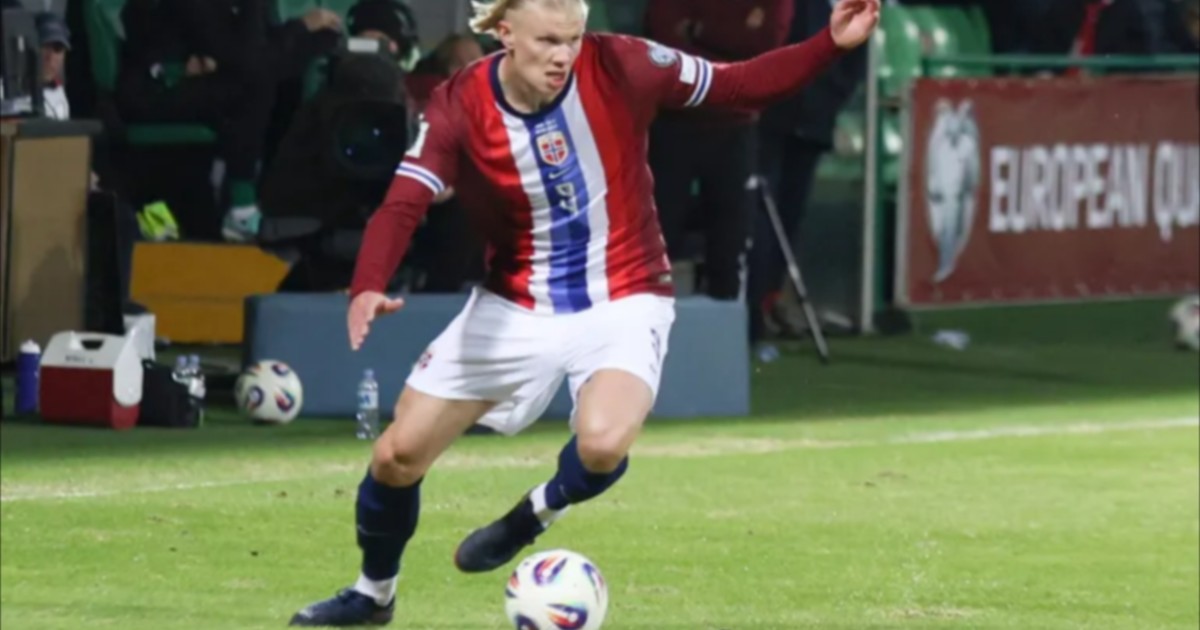
After a grueling 28-year wait, Norway is finally returning to the global stage for the 2026 FIFA World Cup. The Scandinavian nation last appeared in the tournament in 1998, a drought that has been deeply felt by generations of fans. This time, the team is armed with a new wave of elite talent, anchored by the prolific superstar Erling Haaland.The expectations are higher than ever before.
Norway’s qualification campaign was nothing short of dominant, as they stormed their group with a perfect record of eight wins out of eight. Their victories included emphatic performances against Italy, signaling to the rest of the world that they are a force to be reckoned with. The national excitement was captured in a squad announcement video featuring King Harald V, who poignantly remarked that his country had waited a very long time for this return.Erling Haaland is undoubtedly the team`s talisman.
The Manchester City forward, who became the fastest player in history to score 50 international goals, has been the driving force behind Norway`s success. Even through an intense domestic season, he managed to secure another Premier League golden boot, demonstrating his relentless hunger for goals. Whether he can replicate this level of efficiency on the biggest stage of all remains the central question for tournament analysts.Captain Martin Odegaard’s health is the team`s biggest variable.
The Arsenal playmaker has struggled with a series of injuries throughout this season, leading to significant concern regarding his fitness for the tournament. Odegaard is essential to the team’s creative structure, acting as the vital link between the midfield and the attack. If he remains fully fit and match-sharp, the service to Haaland will be elite; if he is sidelined, Norway loses their primary creative outlet.The squad is more than just a two-man show.
Manager Stale Solbakken has built a high-pressing, possession-based system that aims to maximize the strengths of his attacking core. Players like Antonio Nusa and Alexander Sorloth bring additional layers of pace and physical presence, offering Solbakken tactical flexibility in his lineup. Young talents like Oscar Bobb also add a dynamic element to the squad, providing depth across the attacking thirds.The challenges in the group stage are immense.
Norway faces a daunting group that includes France, Senegal, and Iraq. Navigating this path will require absolute consistency from every player in the XI. If they can manage the defensive intensity required to compete against these opponents, the combination of Haaland’s finishing and the team’s disciplined structure could carry them deep into the tournament.
The journey represents a chance for redemption and renewal for Norwegian football. With the eyes of the world on them, Solbakken’s men have the chance to transform their long-standing narrative. The world is watching to see if this generation can finally secure the major tournament success that has eluded their country for nearly three decades.