Twitter, known today as X, officially marks its 20th anniversary on July 15, 2026. Since its inception two decades ago, the platform has fundamentally transformed how the world accesses news and participates in public discourse. According to a reflection by journalist Ali Hashem, published by Al Jazeera, the early days of the internet lacked the interconnected ecosystem that social media platforms like Twitter eventually provided. Before social media, getting a voice heard on a global stage was a difficult task, often limited by traditional gatekeepers.
Ali Hashem recounts his early attempts to make his voice heard through platforms like Angelfire and 8m in the mid-1990s. At the time, there was no real ecosystem to nurture digital content or facilitate a global conversation. Comparing it to opening a shop in a remote area with little foot traffic, he explains that it was only when social media platforms gained traction that the potential for a direct line of communication with the world became a reality. When Twitter eventually arrived, it acted as a catalyst, offering journalists and everyday users an unprecedented tool for rapid information exchange.
The platform quickly became synonymous with breaking news. Hashem recalls a colleague at the BBC noting that having a Twitter account was like possessing a personal breaking news platform. This shift allowed individuals to set their own agendas, bypassing traditional media structures that had long governed the flow of information. Throughout its two decades, Twitter became the digital town square where revolutions were organized, wars were documented in real-time, and major political events were dissected by millions of voices simultaneously.
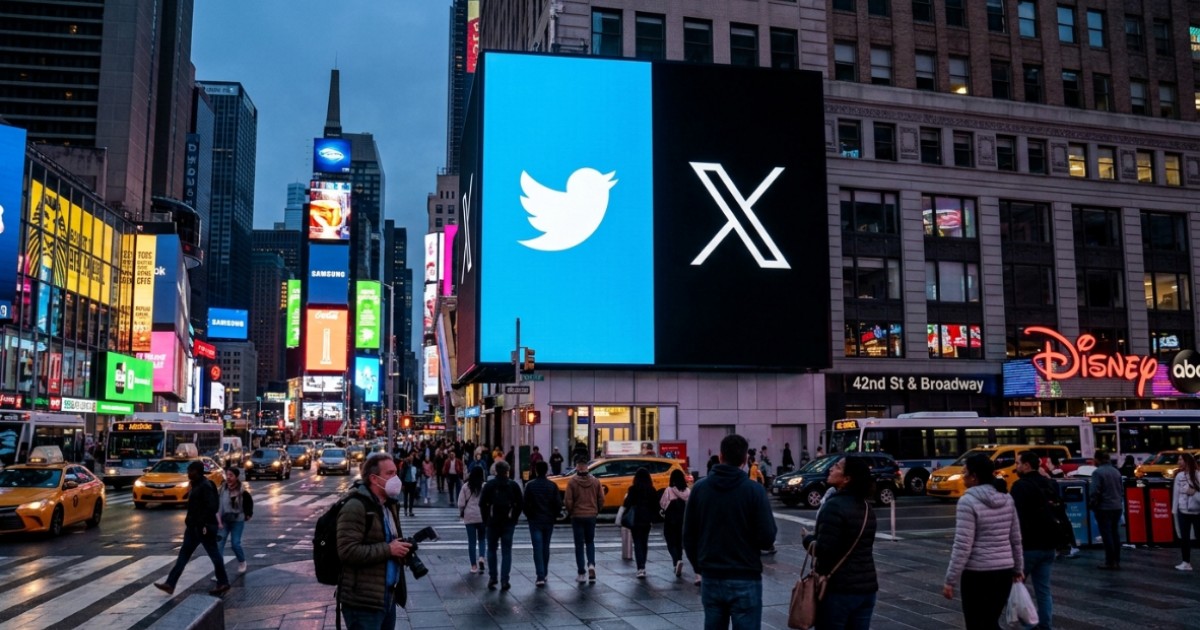
However, the platform has seen significant changes over the last twenty years. The transition from Twitter to X, spearheaded by new ownership, marked a controversial chapter in its history. The iconic blue bird, a symbol recognized worldwide, was replaced, signaling a broader intent to move away from the platform`s original identity. This rebranding sparked intense debate among users, researchers, and tech industry analysts about the future of digital public squares and the preservation of the platform’s original collaborative spirit.
As we reflect on these two decades, it is clear that the landscape of journalism has been permanently altered. The speed at which news travels and the ability for voices to be heard directly from the scene of an event remain Twitter`s most enduring legacies. While the challenges of modern social media, including the spread of misinformation and the fragmentation of audiences, are significant, the importance of the digital infrastructure built by the platform cannot be overstated. As Ali Hashem suggests, while the platforms we use may evolve, the fundamental human desire to connect and inform will continue to shape the digital future.