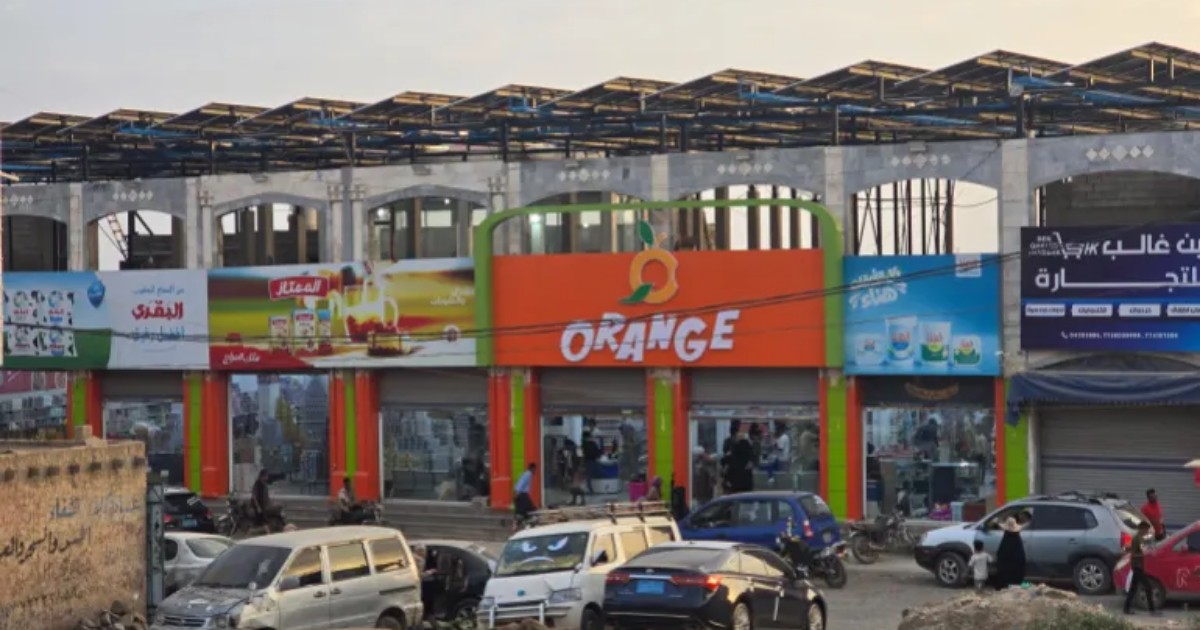
A severe nationwide electricity and petroleum shortage in war-torn Yemen has forced desperate citizens to resort to hazardous alternative energy setups, resulting in a dramatic spike in fatal domestic and vehicular fires, Al Jazeera reported on Sunday. Local administrative and medical authorities in the frontline city of Taiz confirmed that unregulated lithium-ion solar batteries and improvised liquid petroleum gas vehicle conversions have turned daily survival tools into lethal hazards. The complete collapse of the central public electricity grid over years of civil conflict has left millions with no choice but to manage their own power generation.
Dr. Mohammed Saeed, the head of the specialized burns unit at the Al-Thawra General Hospital Authority in Taiz, confirmed that a mother and two of her children recently succumbed to horrific injuries after a solar storage battery exploded inside their home. Official medical registries from the institution revealed that the emergency facility treated 2,729 severe burn cases during the first six months of the year, resulting in 13 confirmed fatalities. Hospital administrators stated that a vast majority of these cases originated from substandard solar setups placed directly inside living quarters and vehicles unlawfully modified to run on commercial cooking gas.
The extreme disparity between the cost of imported petrol and domestic cooking gas has incentivized bus and passenger car drivers to covertly alter their engines through informal mechanics, essentially operating mobile time bombs on public roads. Malik Al-Sabri, the manager of planning and information for the Taiz police department, stated that battery-related failures now account for 30 to 40 percent of all structural fires across the governorate. In response to the escalating crisis, the Civil Defense division has officially prohibited unauthorized vehicular fuel conversions and initiated strict safety compliance sweeps across local mechanical workshops.
Electrical engineer Dawood Abdullah explained that while solar energy remains an inherently clean and safe alternative to expensive commercial generators, haphazard self-installation by untrained homeowners remains the root cause of the structural disasters. Families frequently place high-voltage storage units in unventilated living spaces or purchase cheap counterfeit materials due to pervasive economic hardship. Ramez Nabil, the media officer for the Yemeni Green Media Center, emphasized that what was initially hailed as an environmental revolution has transformed into a major domestic threat due to a critical lack of institutional regulation and public safety literacy.
What remains unclear is whether international humanitarian organizations operating within Yemen will deploy direct technical aid or standardized equipment to mitigate these escalating domestic infrastructural risks. Local civil society groups have repeatedly called for immediate public awareness campaigns to educate impoverished households on the proper handling of sustainable power grids. As the broader socioeconomic crisis drags on, the civilian population remains caught between the immediate necessity of accessing functional power and the severe physical dangers of unregulated technological adaptations.