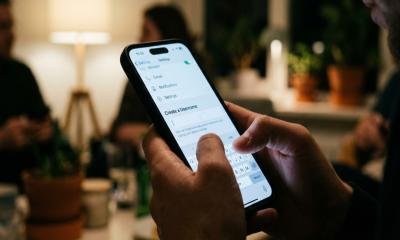
Spam calls have become a daily irritation for mobile users worldwide. Beyond the annoyance of loan offers or fake job interviews, these calls often serve as precursors to complex financial scams. While many people wonder how their private contact information ends up in the hands of strangers, the reality is that scammers often exploit user behavior and technological vulnerabilities.Most data leaks originate from online retailers or shopping platforms.
People often voluntarily surrender their names and mobile numbers in exchange for discounts or contest entries. Unfortunately, some of these organizations store consumer data poorly or deliberately sell these databases to third-party marketing agencies for profit. Additionally, inputting your information into untrusted websites or clicking suspicious links can easily expose your number to harvesting bots.
Smartphone applications also present a major privacy risk. When downloading new apps, many users carelessly grant permission for the app to access their contact lists without reading the terms of service. Once granted, the app can upload your entire address book to its server. This data is then frequently resold to aggregators who provide it to scammers.Securing your number requires constant vigilance and updated settings.
Refrain from sharing your number with unknown services or websites. Check your phone`s application permissions to ensure that apps are not accessing your contact list unnecessarily. Utilizing the built-in "Spam and Call ID" filters found in modern operating systems or using reputable caller ID applications can effectively block fraudulent calls before they reach you. Small adjustments to your digital habits are often the most effective barrier against these persistent threats.