Foreign football fans fall in love with the lesser-known landscapes and local culture of the United States while traveling between host cities for the global tournament, BBC News reported in a special feature. As the highly anticipated international soccer event kicked off, global attention naturally focused on the massive stadiums and glittering skylines of the designated host cities. However, after several weeks of competition, social media platforms have experienced an influx of heartwarming videos showcasing tourists discovering the vast stretches of America that exist between those major urban centers. Many visitors who originally arrived solely to watch athletic matches are now documenting their extensive road trips across various states.
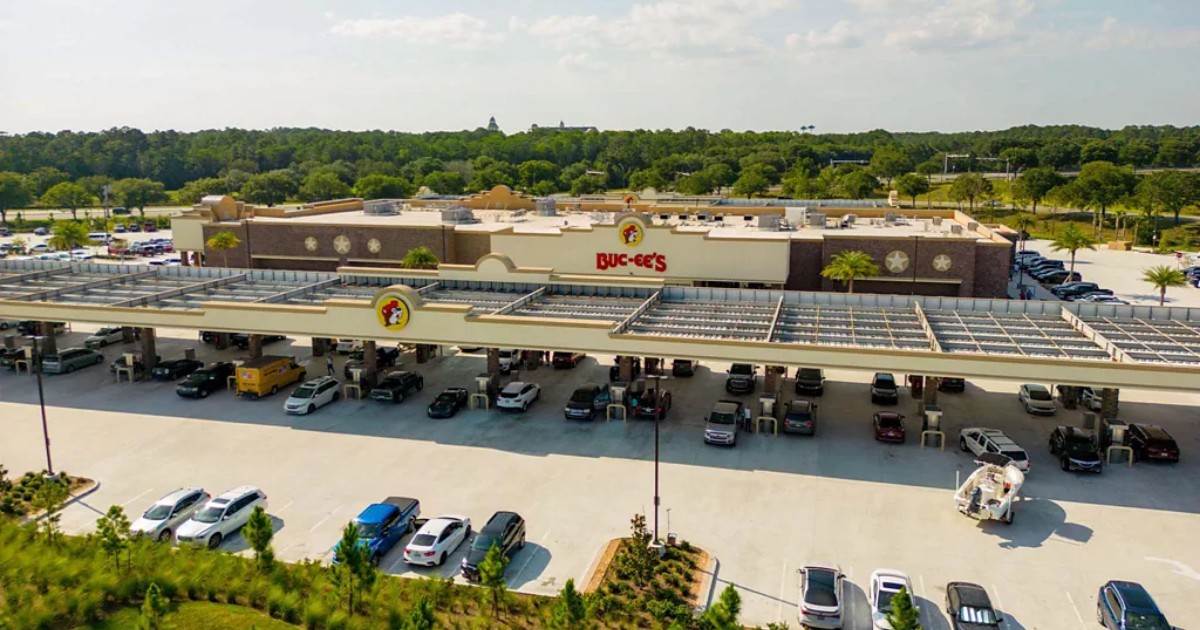
A substantial portion of these viral videos features international travelers expressing absolute awe at standard American retail spaces like Walmart, Costco, and Bass Pro Shops. For instance, a Norwegian visitor shared his genuine astonishment upon entering a massive outdoor recreation store, an enthusiastic reaction that quickly garnered millions of views online. Similarly, a British football fan documented his first encounter with Buc-ee`s, a uniquely massive roadside combination of a gas station, convenience store, and restaurant. The traveler described the facility as completely mind-blowing, highlighting how everyday commercial spaces in the United States can become fascinating tourist destinations for those unfamiliar with them.
These wide-eyed digital documentations highlight a realistic portrayal of America that rarely appears in international cinematic releases or television dramas. This version of the country operates entirely independently of political discourse, representing an organic cultural experience that traditional international tourists often overlook during brief vacations. By focusing on mundane yet unique aspects of daily life, such as regional ranch dressing or expansive suburban infrastructure, foreign visitors are providing a fresh perspective. This outside appreciation is simultaneously prompting domestic residents to recognize and value the cultural quirks that make their own country distinctive.
Geographically, the United States spans approximately 2,800 miles or 4,500 kilometers from the Atlantic to the Pacific coast, presenting an immense logistical journey for tournament attendees. Because matches are scheduled across opposite sides of the continent, fans must navigate vast distances to follow their respective national teams. While many choose standard commercial flights, an increasing number of adventurous fans are adopting the classic American tradition of the open road. This choice has allowed international travelers to explore historic highways like Route 66 and immerse themselves in the sprawling network of the US National Park system.
Natural landmarks have become central highlights in these travel itineraries, with soccer fans expressing deep admiration for places like Zion National Park and the Grand Canyon. Videos showing international tourists standing beneath the striking orange rock formations of Utah or gazing across the vast expanses of the Louisiana lowlands emphasize the geographical diversity of the nation. One British traveler noted in his online video that many people outside the country do not fully comprehend how wild, expansive, and filled with diverse wildlife America truly is. He concluded that the state and national park systems offer an unparalleled natural experience found nowhere else on earth.
To understand the underlying psychological factors behind this phenomenon, the report referenced insights from Charlotte Russell, a prominent clinical psychologist and founder of The Travel Psychologist. Russell suggested that individuals living in the United States frequently take their immediate cultural surroundings for granted because it represents their baseline reality. She compared this cultural blind spot to household wallpaper, noting that people rarely spend time actively analyzing the design of their walls because it is a constant, normalized presence. The arrival of enthusiastic international observers effectively disrupts this normalization, allowing locals to see their environment through an appreciative lens.
What remains unclear is whether this temporary surge in sports-related tourism will leave a lasting economic impact on the smaller rural communities situated along these travel routes. Nevertheless, the ongoing cultural exchange demonstrates how major international sporting events possess the unique ability to foster cross-cultural understanding beyond the boundaries of athletic fields. The enthusiasm displayed by global fans for everyday American landscapes indicates that the true essence of a country is often discovered in its ordinary spaces rather than its curated tourist hubs. This unexpected interaction underscores the power of global sports in creating meaningful connections among diverse populations.