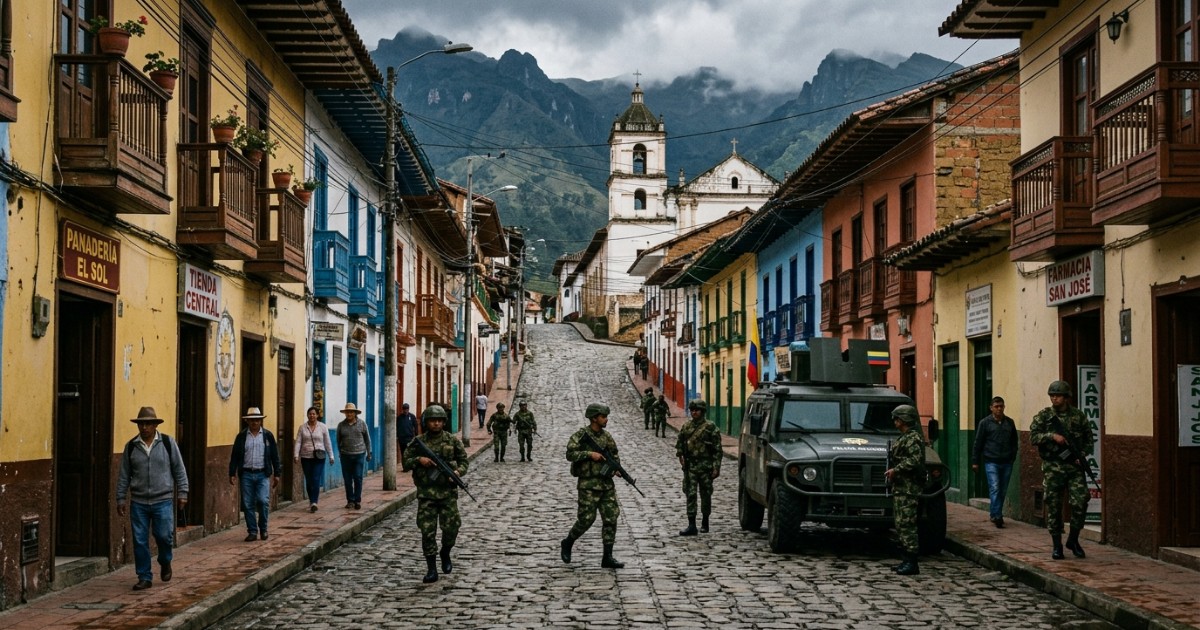
Colombia has emerged as one of the fastest-growing holiday destinations in the world over the last decade. Following the high-profile visit of Prince Harry and Meghan Markle in 2024, the country cemented its status as a top-tier destination for international travelers. Tourist arrivals surged to an impressive 6.6 million in 2024, a significant jump from pre-pandemic levels. However, this remarkable progress is currently being threatened by a resurgence of armed conflict and domestic instability.
President Gustavo Petro has categorized recent attackers as terrorists and drug traffickers.
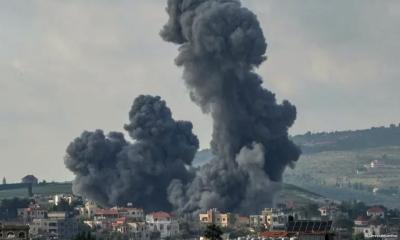
A devastating bomb attack on a section of the Pan-American Highway in the southern Cauca region recently killed 21 civilians. The attack, blamed on dissident factions of the Revolutionary Armed Forces of Colombia (FARC), has reignited fears of a return to the country`s violent past. Local governor Octavio Guzman described the explosion as the most brutal attack against civilians in decades. Within a single three-day period in April, as many as 26 different explosive devices were detonated across southern regions, suggesting a strategic campaign to instill fear.
Security concerns have already impacted major tourist hubs, including the famous Tayrona National Park. The government was forced to close the park for 17 days in February and March after armed groups issued death threats against park staff. The closure occurred during an escalating turf war between the Conquering Self-Defence Forces of the Sierra Nevada (ACSN) and the Gulf Clan, both competing for control over illegal activities in the region. The complexity of these conflicts makes peace-building in the northern Sierra Nevada mountains immensely difficult for local authorities.
Major western nations have responded by updating their travel advisories for Colombia. The UK Foreign, Commonwealth and Development Office (FCDO) currently advises against all but essential travel to large swathes of the country, particularly areas bordering Venezuela and Ecuador. While major cities like Bogota and Medellin remain relatively safe, the interior regions and the Pacific coast are increasingly difficult to access. For those planning to visit historical sites like the San Agustin Archaeological Park, officials recommend using only main roads and organized tours.
Despite these troubling developments, Colombia continues to promote new travel experiences.
The Magdalena River, long considered off-limits due to sedimentation and security issues, is now hosting luxury cruises launched by AmaWaterways. These initiatives aim to showcase the country`s rich biodiversity and resilient culture, which remains its greatest asset. Experts note that while murder rates countrywide have seen no significant improvement since 2015, the vast majority of incidents occur far from the main tourist trails. Nevertheless, the presence of over 30 dissident groups and criminal gangs creates an unpredictable environment.
The upcoming presidential elections scheduled for May 31 are expected to bring further volatility. Security risk groups, such as the TRIP Group, have warned that the situation is likely to worsen before it improves as political tensions rise. Travelers currently in Colombia or planning to visit are urged to stay informed through real-time security intelligence and to avoid border regions entirely. The dual identity of Colombia as a vibrant holiday paradise and a land of armed struggle continues to pose a challenge for the global travel industry.