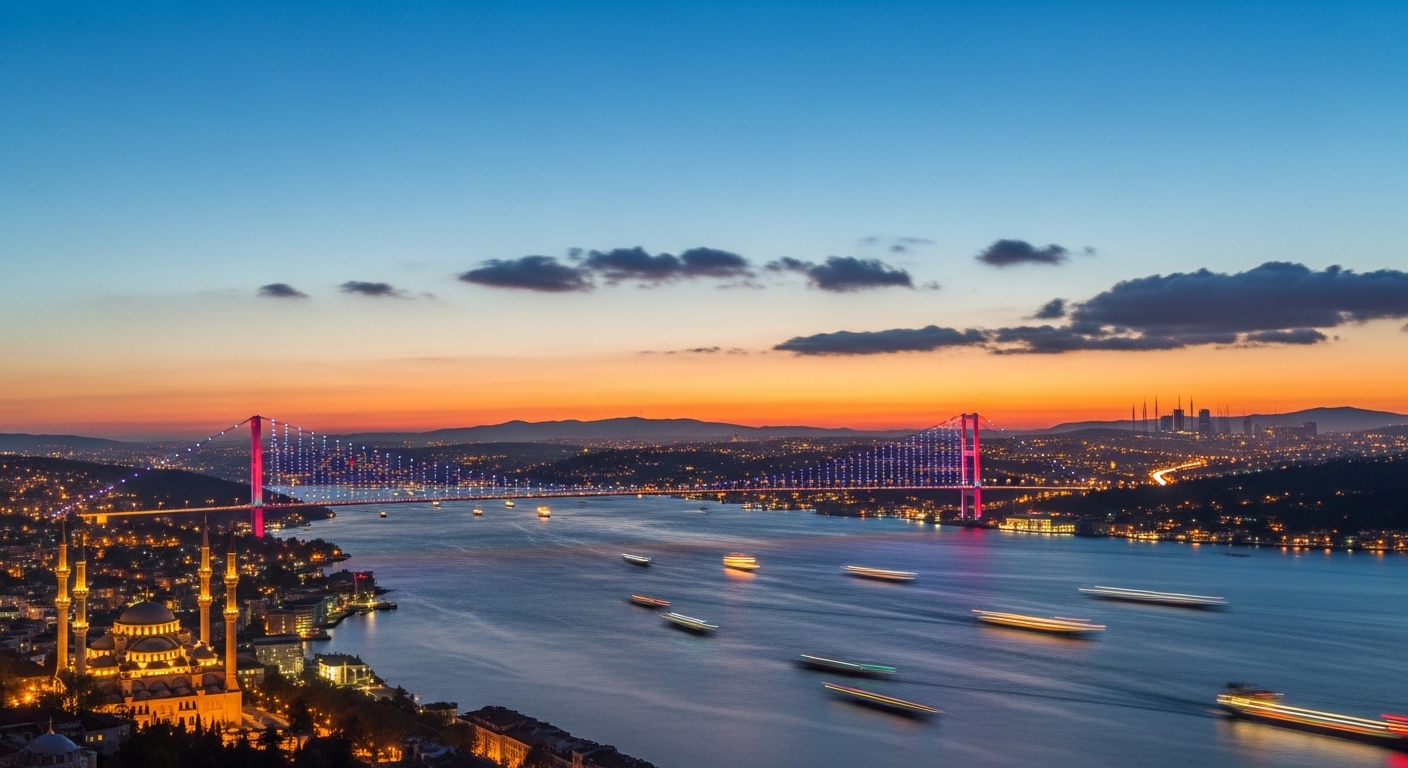
Istanbul is far more than a modern metropolis; it is the ultimate intersection of human history and global commerce. For over a millennium, this city—perched on the edge of two continents—has functioned as the world`s preeminent marketplace. In the premiere episode of Al Jazeera’s "Traces of Silk" series, Istanbul is portrayed as a city whose very identity is forged in the furnace of trade. The legacy of the ancient Silk Road is not a dusty chapter of the past here; it is a vibrant, breathing reality that continues to dictate the rhythm of life for its millions of residents.
The geographical significance of Istanbul cannot be overstated. As the bridge between Europe and Asia, it was the final destination and the primary distribution point for the Silk Road’s most precious commodities. Silk from China, spices from India, and gems from Central Asia all converged in the markets of Constantinople before being shipped to the royal courts of Europe. According to Al Jazeera, this historic trading spirit remains a cornerstone of the city’s contemporary economy. The Grand Bazaar, with its four thousand shops and centuries-old corridors, stands as a testament to this endurance. It remains one of the most visited tourist destinations and active trading hubs in the world.
Walking through the streets of Istanbul, one realizes that the city itself was built on the exchange of ideas and goods. From the Byzantine era to the zenith of the Ottoman Empire, Istanbul’s rulers understood that their power was directly linked to the success of their markets. This economic philosophy attracted merchants from every corner of the globe, creating a multicultural tapestry that still defines the city today. Al Jazeera’s report highlights that the modern-day merchants of the Grand Bazaar and the Spice Bazaar often trace their trade back through generations. These families possess an ancestral knowledge of negotiation and market trends that no modern textbook can replicate.
The "Traces of Silk" series delves into how this legacy has adapted to the 21st century. While the Silk Road no longer relies on camel caravans, the spirit of connectivity persists through the Bosphorus, one of the world`s busiest shipping lanes. The strategic importance of Istanbul in global logistics remains unparalleled. Modern cargo ships now carry what the caravans once did, but the destination remains the same: a city that knows how to buy, sell, and facilitate the movement of wealth across borders. The report emphasizes that for the residents of Istanbul, trade is not just a profession; it is a way of life that bridges their past with a rapidly evolving future.
Furthermore, the cultural impact of being a global marketplace is visible in Istanbul’s art, architecture, and even its cuisine. The flavors that define Turkish food today—the rich spices, the variety of teas, and the delicate sweets—are direct descendants of the items traded along the Silk Road. Al Jazeera notes that the city’s openness to foreign influence, a trait born of necessity for any trade hub, has made Istanbul a beacon of cultural synthesis. This openness is a legacy of the Silk Road that the city continues to champion in an era of globalization.
In conclusion, Istanbul serves as a reminder that history is not a static concept. The Silk Road’s legacy is alive in every transaction made in the markets of Eminönü and in every ship that passes under the Bosphorus bridges. As the world becomes increasingly interconnected through digital means, Istanbul’s physical role as a crossroads remains as vital as it was in the days of Marco Polo. It remains "The World`s Marketplace"—a city where the past is always present, and where the ancient threads of the Silk Road continue to weave the fabric of the future.