Working at an industrial creamery in Seattle, Trevor Warmedahl spent his days processing vast quantities of milk from animals he never saw. That sense of estrangement from primary agriculture prompted him to resign and embark on an open-ended search for communities preserving ancestral dairying techniques. His journey evolved into an intensive six-year documentation project across more than 20 countries, exploring remote corners of the globe where cheese is still produced according to ancient pastoral traditions.
The global journey began in the Mongolian steppe.
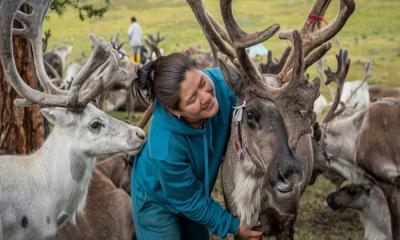
Arriving in Ulaanbaatar in 2019, Warmedahl settled in a traditional yurt and observed the profound reverence local communities hold for dairy, from ritual milk libations to household offerings. He later crossed the Gobi Desert aboard a coal-powered sleeper train before joining a nomad family in the Zavkhan grasslands. His days were spent milking yaks before sunrise, managing herds on horseback across wide valleys, and preparing aaruul, a dense, dehydrated curd prepared over domestic hearths.
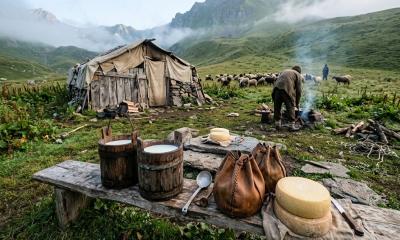
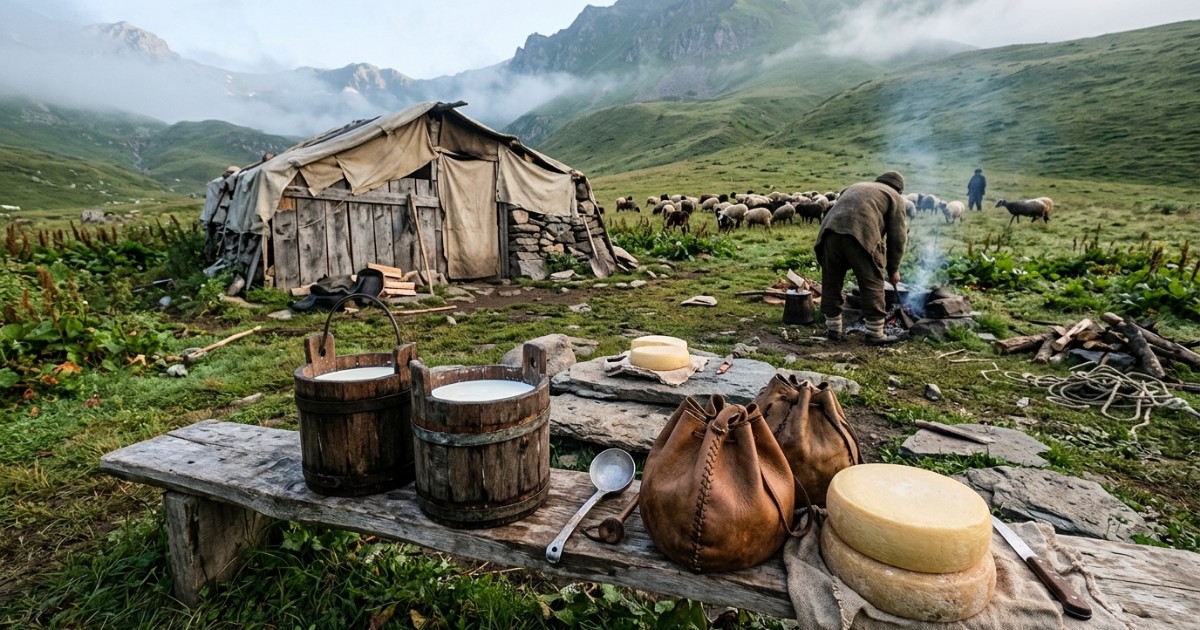
That experience prompted a broader exploration across rugged international terrains, including a 193-kilometer traverse across the Peaks of the Balkans Trail. In the high mountain valleys of Tusheti in Georgia, near the village of Omalo, he tracked shepherds making Tushuri guda, a traditional sheep milk cheese cured inside inverted sheepskins. The camps were built directly beside medieval stone ruins, where shepherds milked livestock by hand into timber buckets. At the conclusion of the season, Warmedahl hiked roughly 130 kilometers alongside 300 sheep down steep valley slopes.
Shared meals frequently replaced spoken language during long mountain treks.
Cultural exposure to varied foods also reshaped his perspective on taste and agrarian preservation. In Norway, he sampled gammelost, an intensely piquant cheese covered in cellar moulds, an experience that reinforced his conviction that appreciation for unfamiliar food is acquired through cultural context. He also points to Turkey`s underappreciated dairy heritage, specifically Tulum peyniri, a cheese aged within whole goatskins that yields intricate flavour profiles shaped entirely by traditional pastoral handling.
Warmedahl views traditional farmstead cheese as an edible reflection of specific landscapes, microclimates, and indigenous livestock.
With rapid industrial consolidation eroding agricultural biodiversity, pastoral dairying offers an adaptable and ecologically grounded model capable of withstanding harsh terrains. For travelers seeking authentic culinary encounters, he emphasizes engaging directly with working agricultural producers rather than sanitized tourist displays, ensuring that traveler spending directly sustains rural producers who keep ancestral food traditions alive.