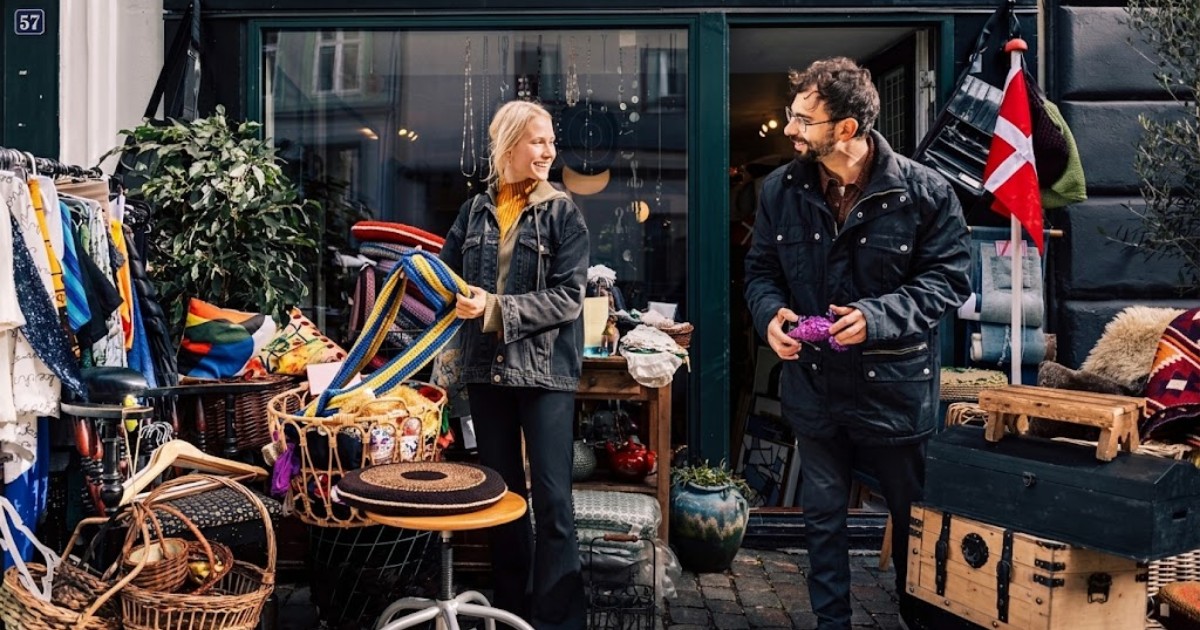
Travelers navigating unfamiliar destinations often rely on standard courteous phrases to establish goodwill with local residents. However, visitors across Denmark, Sweden, Norway, Iceland, and Finland quickly encounter an unexpected linguistic pattern. None of these national languages possess a single catch-all term that directly mirrors the English word please.
Politeness operates through phrasing and context rather than an isolated deferential word.
Dr. James Puchowski, a sociolinguist at the Nynorsk Kultursentrum in Norway, notes that searching for a word-for-word translation misunderstands regional communicative systems. In Denmark, customers placing an order might employ functional polite phrasing such as asking whether they may request an item. In Sweden, speakers regularly attach the word for thank you directly to an order. Norwegian speakers frequently rely on vocal inflection and open facial cues to communicate respect and cordiality.
Social directness and practical efficiency form the foundation of public communication across the region.
Danish language instructor Daniela Hummelgren emphasizes that interactions are deliberately straightforward to prevent unnecessary procedural delays. Excessive verbal ornamentation is frequently viewed as counterproductive when completing simple transactions. Furthermore, deep societal egalitarianism has eliminated rigid markers of status, leading to the general disappearance of traditional formal titles like Sir and Madam from everyday conversation.
Cultural norms often connect to Jante`s Law, an established Scandinavian ethos that discourages individuals from viewing themselves as superior to their peers. Gratitude remains widely recognized through terms such as tak in Denmark, takk in Norway and Iceland, tack in Sweden, and kiitos in Finland. International travelers who omit these words during basic transactions will not face open disapproval.
Excessive flattery or prolonged expressions of politeness can occasionally be perceived with caution or read as an attempt to gain undue advantage. Travelers generally navigate these spaces most effectively by observing surrounding conversational pacing and keeping interactions simple.