Colombia`s presidential election will proceed to a high-stakes runoff vote scheduled for June 21 after Sunday`s first-round balloting left no single candidate with an absolute majority. According to final preliminary figures released by national electoral authorities, the political spectrum has split cleanly between two deeply polarized ideological platforms. Right-wing millionaire lawyer and businessman Abelardo de la Espriella captured 43.7 percent of the ballots, securing a narrow lead over his progressive rival, leftist senator Ivan Cepeda Castro, who garnered 40.9 percent support.
The outcome sets up an aggressive three-week campaign for the executive office.
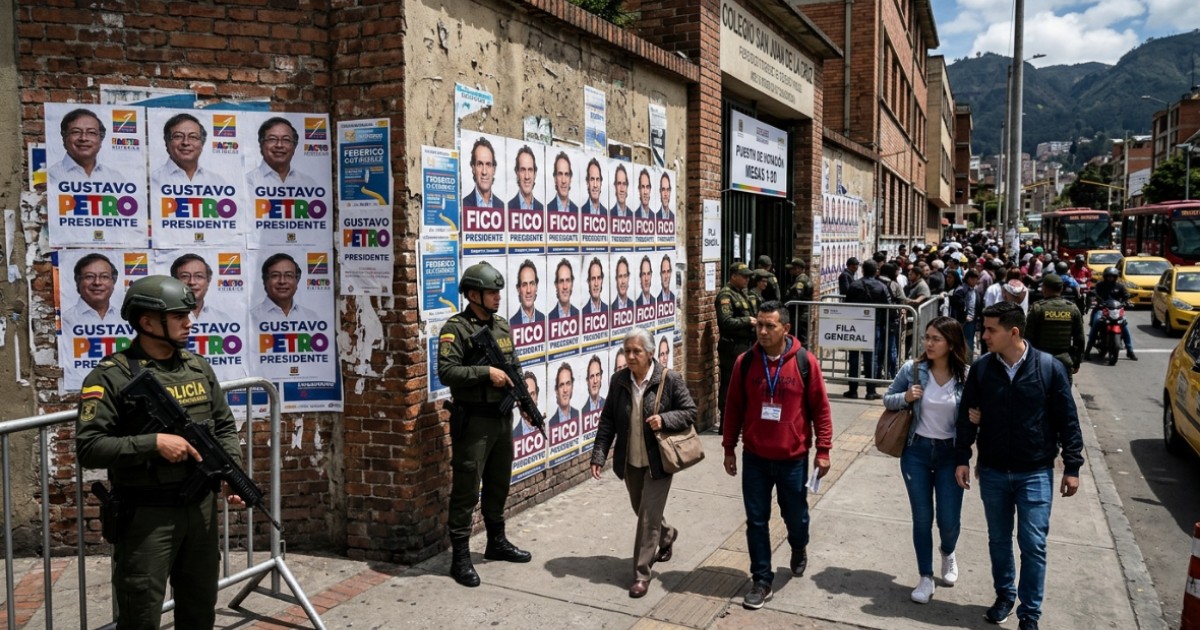
The democratic process took place under a dark shadow of systemic violence that included targeted drone strikes, kidnappings, and the high-profile assassination of a presidential candidate during a public rally last year. More than 23.6 million citizens cast their votes amid heavily fortified polling stations guarded by armed infantry units. Early opinion surveys had consistently projected Cepeda as the frontrunner, making De la Espriella`s rapid surge in the final tally sheets a significant upset for the ruling coalition. Moderate conservative candidate Paloma Valencia, who finished third with just under 7 percent of the vote, immediately endorsed De la Espriella for the second round.
The preliminary results triggered immediate institutional friction as outgoing President Gustavo Petro openly contested the integrity of the vote count. Petro asserted without corroborating evidence that massive irregularities had occurred, alleging that nearly 800,000 artificial votes were injected into the official system. The progressive leader announced he would withhold any formal recognition of the first-round results until judicial panels completed a meticulous verification of physical sheets. Cepeda echoed the administration`s skepticism, advising his base that his campaign would delay formal commentary until every atypical voting pattern was fully cross-examined.
The upcoming runoff represents a fundamental referendum on how Colombia manages its persistent domestic armed conflicts. Senator Cepeda, widely known as the primary architect of the 2016 peace accord with FARC guerrillas, advocates for a continuous strategy of negotiated ceasefires and structural diplomacy over aggressive military intervention. Conversely, De la Espriella has anchored his entire outsider campaign on an intense law-and-order platform modeled directly after El Salvador`s aggressive anti-gang initiatives. The self-described admirer of Donald Trump has promised to dismantle current negotiation frameworks, construct ten high-capacity mega-prisons, and unleash military forces against armed cartels.
The deep political divide reflects widespread voter fatigue regarding deteriorating public safety conditions across rural departments over the last four years. Critics of the current administration highlight that cocaine production has reached historic zeniths while territorial armed groups have significantly expanded their operational footprints. While the progressive establishment successfully implemented substantial minimum wage increases and reduced urban unemployment indices, roughly one-third of the population remains trapped below the national poverty line. The final choice between an iron-fist security apparatus and sustained peace dialogue now rests entirely on the June electorate.