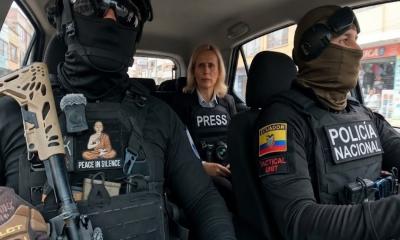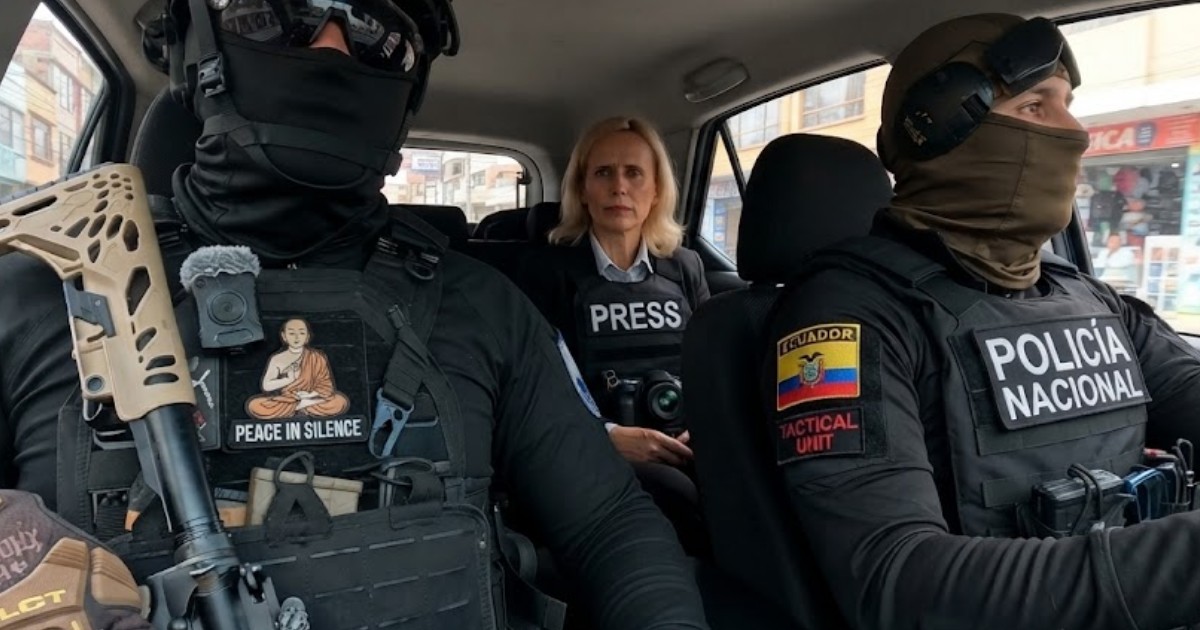
Police forces in the Ecuadoran city of Durán are waging a high-stakes battle against violent drug syndicates, heavily armed criminal networks, and deep-seated internal corruption, according to reports by BBC News. Captain Jean Carlos Bustamante, leading a hand-picked tactical unit in one of the country`s most dangerous urban areas, faces threats not only from rival street gangs but also from compromised elements within state institutions. Operating in neighborhoods where fear silences residents, the thirty-four-year-old officer and his team conduct high-risk raids to dismantle hidden weapons caches and disrupt local gang operations.
During a recent operation targeting an abandoned safe house in a neighborhood controlled by the gang known as Los Aguilas, the tactical team recovered illegal firearms and ammunition. Captain Bustamante noted that while these seizures represent minor victories in a protracted war of attrition, the criminal organizations possess vastly superior financial resources and weaponry compared to state security forces. Local citizens remain terrified of speaking out against the cartels due to immediate threats of lethal retaliation, leaving law enforcement officers to navigate an environment of pervasive intimidation and silence.
The current crisis stems from Ecuador`s geographical vulnerability as a transit corridor, situated directly between Colombia and Peru, the world`s leading cocaine producers. According to official figures cited by President Daniel Noboa, approximately seventy percent of the cocaine reaching markets in Europe and the United States is funneled through Ecuador`s porous borders and Pacific coastline. Domestic gangs have forged lucrative alliances with transnational criminal syndicates, including Mexican drug cartels and European mafia organizations, turning a formerly peaceful South American nation into a violent conflict zone.
The rapid escalation of gang violence over the past decade has severely tested the nation`s security apparatus, leading to widespread infrastructure strain and deep public anxiety. Officers engaged in the front-line units face constant personal danger and have lost close colleagues in the ongoing struggle against heavily armed cartel members. Despite parental pleas and the constant threat of targeted assassinations, security personnel continue their daily patrols in an effort to regain control over lawless urban territories.
International observers continue to monitor the escalating security crisis as the government attempts to suppress the criminal syndicates through sustained military and police interventions. Regional stability depends heavily on whether state authorities can successfully root out institutional corruption while cutting off the financial lifelines supporting the cartels. Until comprehensive structural reforms take root, the front-line battle against the drug trade remains an immense challenge for law enforcement agencies across the country.