Israel election politics remains firmly anchored in unresolved anxieties over national security as the country approaches a general vote that coincides with the third anniversary of the October 7, 2023 events. Across the electorate, secondary friction over ultra-Orthodox conscription, sustained economic disruptions, and official responsibility for early intelligence lapses continue to simmer. However, political contenders across the spectrum have kept the discourse focused on managing perpetual conflict.
Public perceptions of security remain profoundly unsettled.
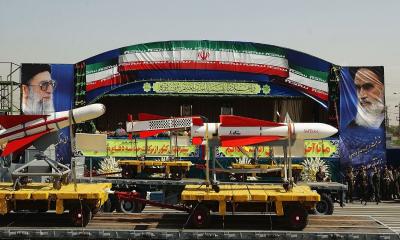
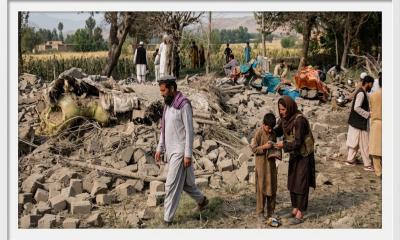
The past three years have seen Israeli military operations widen into a multi-front regional campaign. In the Gaza Strip, sustained bombardments and ground assaults have killed more than seventy-three thousand Palestinians. Hostilities have also included recurring exchanges with Houthi forces in Yemen, deep cross-border bombardments into Lebanon and Syria alongside buffer zone occupations, and participation alongside the United States in two comprehensive military assaults against targets inside Iran. Despite the geographic breadth of these strikes, everyday safety remains a contentious issue for voters.
Ayala Panievsky, a researcher in politics and media at City St George’s, University of London, noted that existential security concerns historically supersede all competing campaign topics in the country. Attempts by opposition factions to steer debate toward domestic living costs or institutional reform have struggled to gain traction against lingering trauma from the 2023 breach. Panievsky observed that despite assertive rhetoric from leadership, voters harbor persistent unease regarding asymmetric strikes by Hamas, reorganized Hezbollah cadres, or long-term strategic posturing from Tehran.
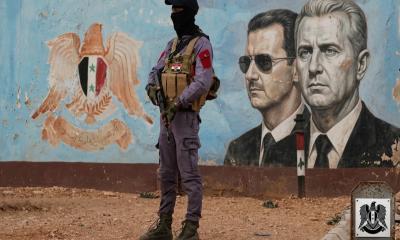
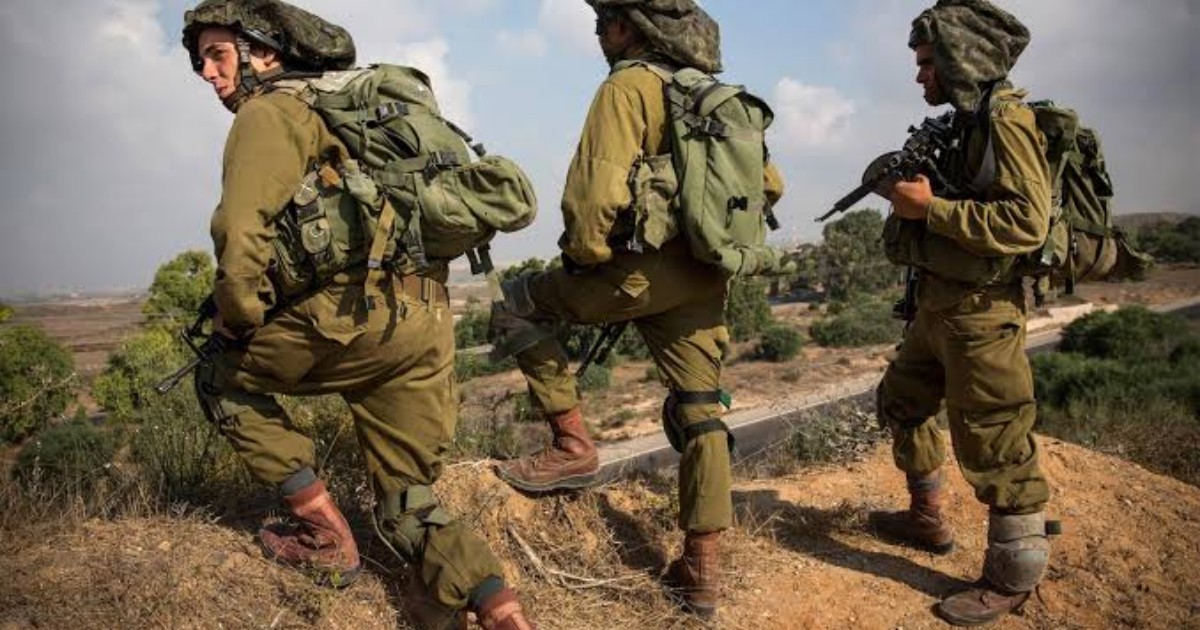
From a conventional military perspective, several strategic analysts argue that the balance of regional forces has shifted heavily in Tel Aviv`s favor. The collapse and ouster of Bashar al-Assad in Syria disrupted long-standing logistics corridors, Hezbollah faces sustained combat in southern Lebanon, and conventional military structures in Gaza have suffered extensive degradation. Concurrently, Houthi forces along the Red Sea coast have largely redirected operational focus toward internal Yemen battlegrounds and regional security friction with Saudi Arabia.
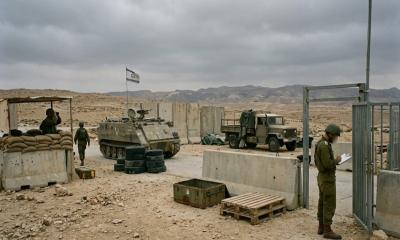
Ahron Bregman, a senior defense analyst at King’s College London, stated that tactical assessments suggest the state has established forward operational perimeters across southern Lebanon, Syrian frontier sectors, and Gaza. Yet Bregman emphasized that tactical disruption has not eliminated non-state groups, which continue to operate in decentralized cells while managing immediate organizational survival.
The most acute flashpoint, according to security observers, is unfolding inside the occupied West Bank. Heightened military raids combined with systematic, violent incursions by ideological settlers have pushed Palestinian communities to a breaking point. Bregman cautioned that state authorities have lost control over hardline settler factions provoking daily unrest, creating explosive conditions that could ignite an uncontrollable third Palestinian Intifada.
Heading into the ballot, the leading contenders — Prime Minister Benjamin Netanyahu and Yashar party leader Gadi Eisenkot — are campaigning on identical contradictions. Both pitch themselves as architects of military resolve while warning that only their administration can shield the state from impending regional threats.