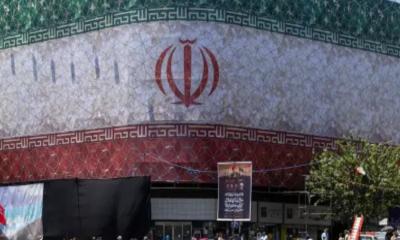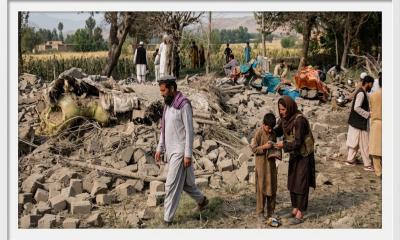
Iran`s economy contracted sharply during the opening months of the regional conflict, driven by steep declines across its primary energy infrastructure. Data released by the government-administered Statistical Center of Iran revealed that gross domestic product fell by 10.1 percent year-on-year between March 21 and June 20, marking the first quarter of the Persian calendar. The performance directly reflects the early economic fallout following military confrontations that escalated in late February.
The energy sector experienced the steepest decline.
Crude oil and natural gas production plunged 26.4 percent compared to the identical period last year. Excluding the hydrocarbons industry, economic output contracted by 4.6 percent across the wider national market. Industrial and mining activity shrank 14.7 percent, commercial services retreated by 4.8 percent, and manufacturing recorded a 2.5 percent decline. In contrast to the industrial slump, the agricultural sector maintained positive momentum, expanding by 2.3 percent.
The production drop coincided with severe domestic price volatility. Official metrics indicated that trailing twelve-month average inflation stood at 69.9 percent, with staple expenditures on groceries, beverages, and tobacco rising at nearly double the base pace.
Severe export bottlenecks have diminished vital foreign exchange revenues, placing intense downward pressure on the Iranian rial. Official surveys pegged spring unemployment at 9.1 percent as supply chain disruptions hampered commercial enterprises. The confluence of disrupted trade corridors and domestic currency depreciation continues to elevate operational expenditures for households across the country.