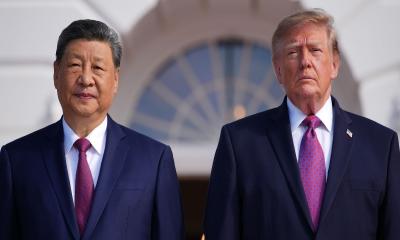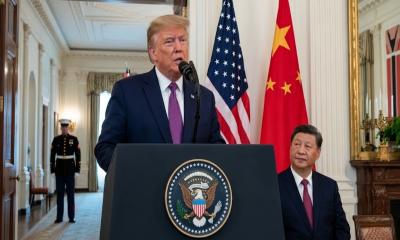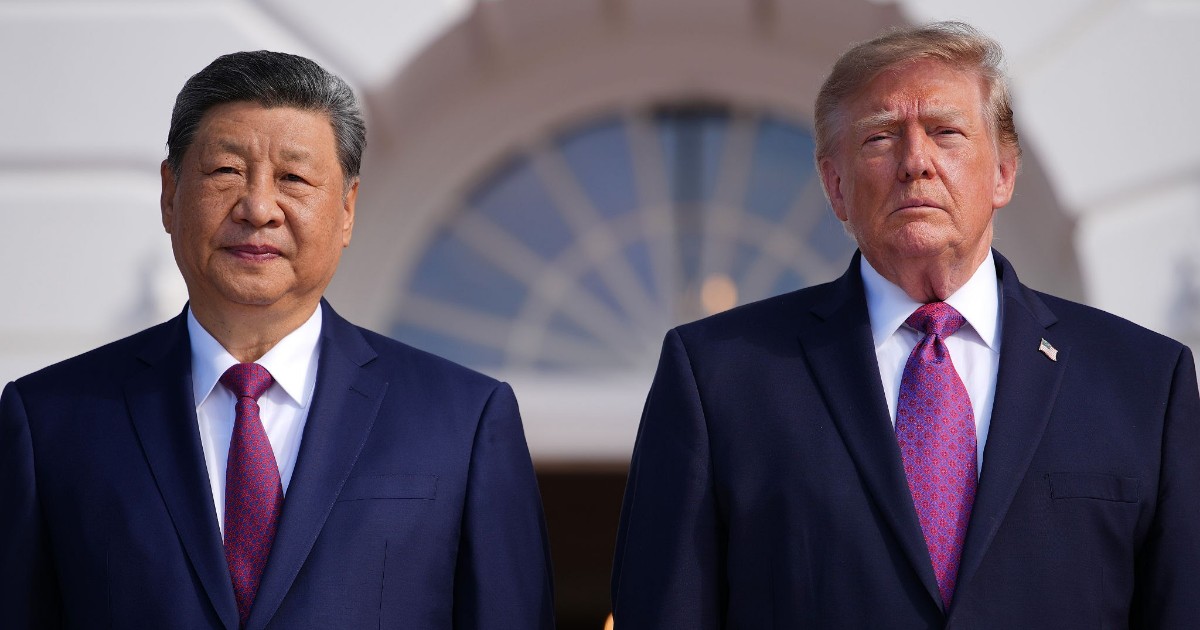
The high-profile summit between United States President Donald Trump and Chinese President Xi Jinping concluded in Washington with extensive ceremonial choreography, ranging from military flyovers to state toasts. Beyond the diplomatic theater, observers across the Global South focused closely on Beijing’s calculated messaging of constructive strategic stability. For emerging administrations from Riyadh to New Delhi and Jakarta, the encounter offered a clear indicator of how great-power relations will be managed over the coming decade.
The core divergence between the two superpowers has become increasingly stark.
Washington approached the talks while remaining deeply entangled in prolonged Middle Eastern conflicts, continuing to demand that regional partners distance themselves from Chinese supply chains. Conversely, Beijing positioned itself as an unencumbered diplomatic interlocutor, providing economic cooperation without demanding exclusive political alignment or overseas military commitments. For developing nations frequently urged to choose sides, that contrast presents a compelling alternative to Western-led security architectures.
Nowhere is this recalibration more evident than across the Persian Gulf.
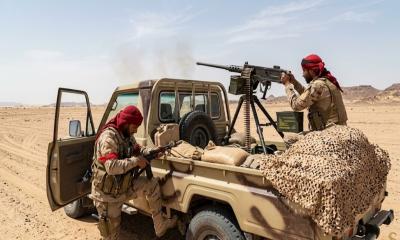
Amid severe disruptions along the Strait of Hormuz stemming from the regional conflict, Washington pressed Beijing to leverage its position as Tehran`s principal trading partner to restore maritime access. However, Chinese official readouts endorsed a return to ceasefire talks while pointedly offering no binding pledges to pressure Iran. For Gulf capitals such as Riyadh, Abu Dhabi, and Doha, maintaining defense procurement links with the United States while utilizing Beijing for crisis management and energy stability has emerged as a fundamental hedging strategy.
Developing nations increasingly face the contradictory demands of Washington`s foreign policy.
While third countries are urged to endure tariff fallout and isolate Beijing, the two primary economic powers quietly agreed to extend their own bilateral trade truce through January. In response, middle powers are actively diversifying their strategic options. India continues to balance its multipolar interests by acquiring energy resources from Russia while attracting American technology and Chinese corporate investment. Concurrently, Indonesia pursues independent defense pacts with both powers, while Brazil and South Africa utilize the BRICS framework to ensure they are not subordinated to external regulatory regimes.
Technological sovereignty represents the next frontier of this structural contest.
As Washington and Beijing negotiate bilateral risk notifications for artificial intelligence without establishing inclusive international rules, developing nations risk falling into systemic digital dependency. In response, regional initiatives are gaining momentum: India is investing in domestic language models, the United Arab Emirates is expanding as a global computational node, and twenty-nine nations have joined the Shanghai-based World Artificial Intelligence Cooperation Organization. Rather than accepting a binary division between competing spheres of influence, the Global South is actively utilizing great-power rivalry to preserve its strategic independence.