A two-day strike by fuel transport workers across Tunisia has disrupted domestic distribution channels, prompting queues at commercial petrol stations on Thursday. Organized by the General Federation of Oil and Chemicals, the collective stoppage demands wage increases, retroactive bonus disbursements dating back to 2019, and the clearing of delayed social security obligations. Because the North African nation depends almost entirely on commercial tanker fleets to transport oil from coastal refineries to inland depots, the protest threatens widespread domestic gridlock.
Fuel distribution ground to an abrupt halt across urban centers.
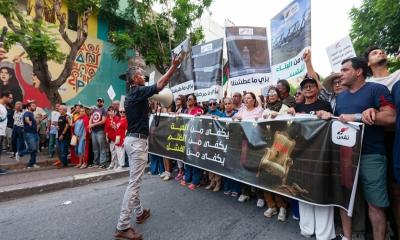
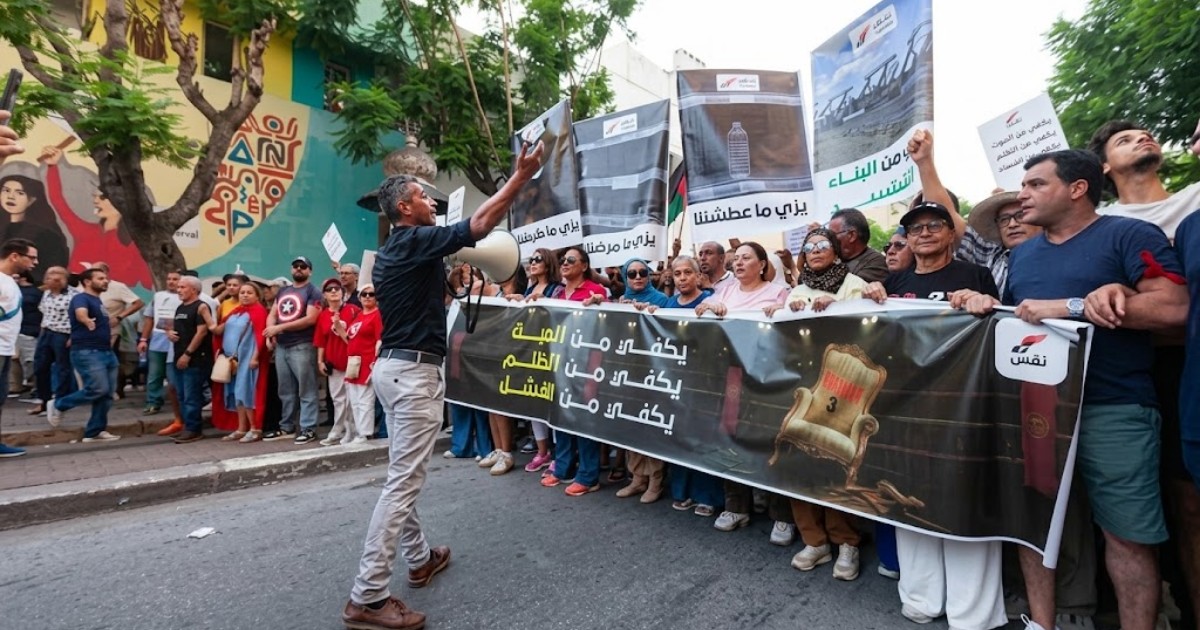
Khaled Bettin, director general of the state-run petroleum distribution firm Agil, confirmed that national reserves remain sufficient but warned that a prolonged dispute would paralyze commerce. The labor action coincides with mounting civil frustration driven by recurring municipal water cuts, grid power outages, spiraling food inflation, and acute medicine shortages. Public discontent has accelerated over the five years since President Kais Saied dissolved parliament and consolidated executive authority through decree-based governance.
Economists described the logistical disruption as a symptom of chronic fiscal deterioration.
Tunisian financial analyst Kholoud Toumi noted that volatile international commodity prices combined with an acute shortage of foreign currency reserves have inflated the national import bill. The state inability to access international credit facilities has forced sustained domestic borrowing, choking private commercial growth. Furthermore, restructuring terms recommended by the International Monetary Fund remain stalled due to resistance from the Tunisian General Labour Union, the umbrella federation representing the striking transport workers.
Political researcher Ahmed al-Ghiloufi cited documentation from the Tunisian Forum for Economic and Social Rights indicating that 2026 has witnessed the largest volume of civil protests in a decade, attributing the systemic breakdown to centralized administrative governance.