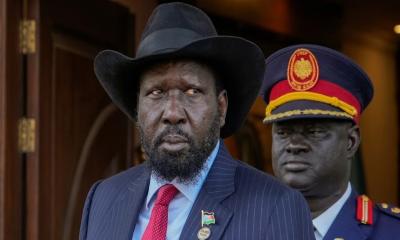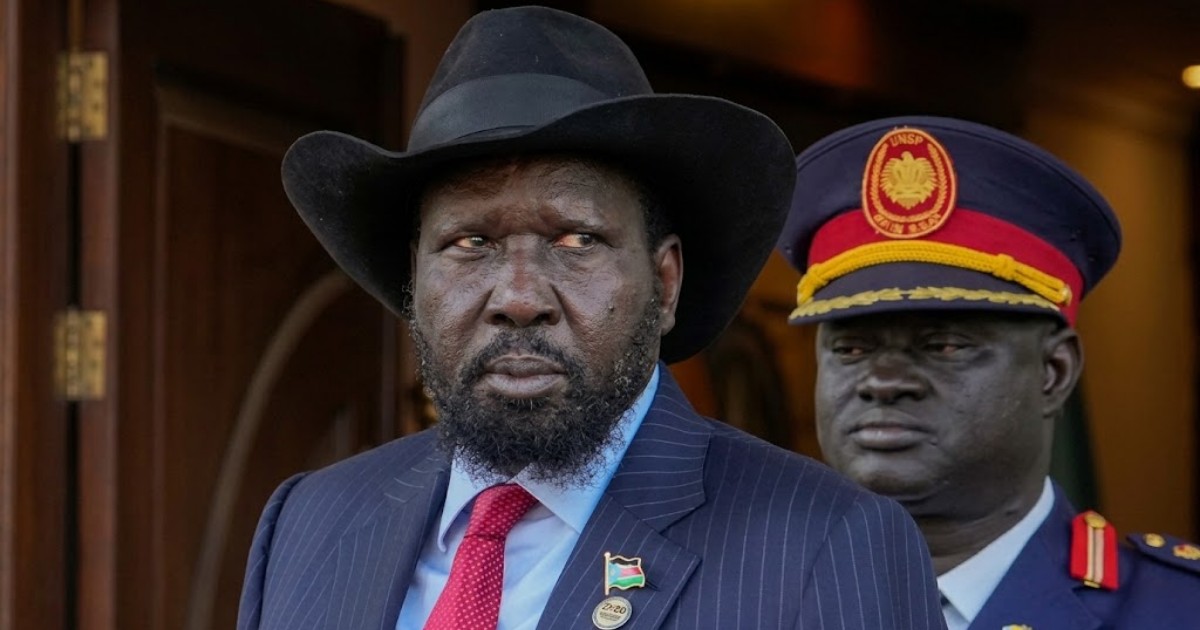
South Sudan’s President Salva Kiir has formally dissolved the nation’s transitional unity government and established a caretaker administration ahead of the country’s first-ever national elections. The decree, broadcast on the state network, dissolves the power-sharing governance framework structured under a 2018 peace accord that halted five years of devastating internal conflict. The sweeping restructuring has heightened concerns among legal experts that the incumbent leader now commands uninhibited executive authority.
The legislative and ministerial branches have been dismantled.
Under the presidential directive, all vice presidents, cabinet ministers, and regional administrators have been relieved of their portfolios, alongside the dissolution of both national and state legislative assemblies. National judicial bodies and defense agencies remain fully functioning, while Kiir will retain the office of the president throughout the campaigning timeline until a newly elected president is inaugurated.
The order follows sudden statutory changes approved by lawmakers.
Parliament adopted modifications to the National Elections Act allowing the general vote to proceed on December 22 without the pre-requisite completion of a national census or a finalized permanent constitution. South Sudan’s primary opposition bloc rejected the changes, pointing to unfulfilled obligations from the original settlement. National polls were originally scheduled for 2022 but experienced repeated deferrals. Crucial benchmarks outlined in the post-war pact, including compiling registered voter databases and integrating opposing factional militias into a unified army, remain largely incomplete following a civil conflict that claimed 400,000 lives.
Amnesty International characterized the dissolution as a decisive measure toward establishing national balloting, though regional director Tigere Chagutah emphasized that state institutions must guarantee an environment where civilians can campaign and vote without intimidation. Domestic observers warn of profound institutional imbalance. Michael Wani, an attorney and former member of the national constitution drafting team, told Agence France-Presse that Kiir will exercise governance entirely isolated from ministerial cabinets or parliamentary oversight.
Legal analysts also highlighted structural ambiguities within the newly enacted statutes. Independent analyst Machot Amuom stated that the revised provisions grant sweeping prerogatives that could allow the head of state to delay elections for another two years should logistics falter. The administrative overhaul follows Kiir’s unannounced replacement of the national elections commission leadership, where Gabriel Bol Deng Majok was granted authority to organize the ballot without public explanation for the predecessor’s removal.
The political realignment unfolds alongside intensive security deployments across Juba. Opposition figure and former First Vice President Riek Machar remains confined under house arrest while standing trial on charges of treason and murder, allegations he consistently denies. Police and military units established barricades and checkpoints across administrative districts, with internal security commands ordering detachments to maintain heightened alert status for three consecutive days.