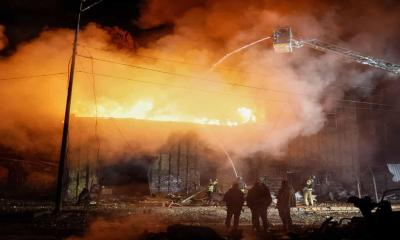
Dozens of people died on Friday when a missile struck a market in Yemen’s Taiz governorate. Both sides blamed each other for the attack.
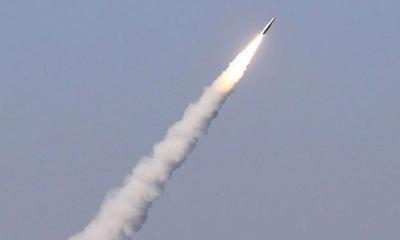
Government military spokesperson Colonel Majed al-Nazili called the incident a war crime. He accused the Iran-backed Houthi movement of hitting the al-Hadara market with ballistic missiles. The Houthis rejected the accusation and blamed Saudi Arabia, which backs the internationally recognised government.
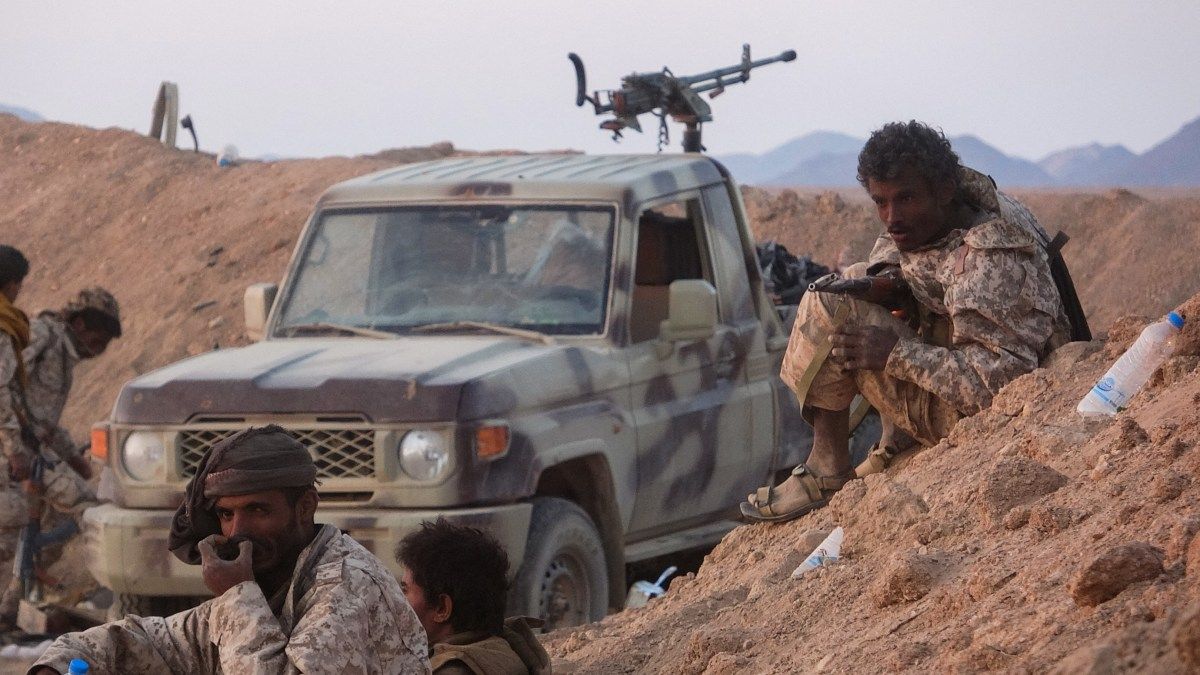
The marketplace strike occurred as fighting entered its second month. The Yemeni Presidential Leadership Council launched the Dawn of Yemen offensive on October 5.
Rashad al-Alimi initiated the operation to recapture areas under Houthi control and liberate Sanaa. The capital has been held by the rebels since September 2014. The campaign relies on air support from a Saudi-led coalition alongside ground operations designed to weaken Houthi military capabilities and secure the Bab al-Mandeb strait in the Red Sea corridor.
Government forces stated they recaptured positions around Dhubab, Bab al-Mandeb, and mountain locations in Haifan, western Taiz, and al-Waziiya on the opening day of the offensive. By October 13, fighting spread to Marib, where troops claimed gains around the Maas camp. Government forces lost territory in Taiz, resulting in a Houthi siege that continues to encircle the city. On Friday, government troops reported recapturing several areas in the governorate, including al-Nidani village and parts of the Sanamat area, alongside executing 1,211 military operations across different battlefronts.
Thomas Bonnie James, an assistant professor in politics and international relations at Aberdeen University, told reporters that government forces are far from taking back Sanaa. He explained that troops are spread across too many fronts using old equipment and that the capital is surrounded by easily defended mountains. According to James, the offensive aims to apply pressure and make the war more costly for the Houthis rather than achieve total victory, giving Saudi Arabia a stronger position before any peace deal.
The Yemeni Presidential Leadership Council announced on Thursday that its armed forces have carried out 40,761 military operations since the offensive began. The council stated these attacks neutralised about 20,000 Houthi leaders and elements while destroying more than 5,000 vehicles. Last week, the government reported that 16,100 Houthi operatives and commanders had been killed or wounded since October 5. The Houthis stated that the total number of attacks against them reached 3,930 raids and missiles up until early November. Independent verification of these casualty figures has not been possible.
The Houthis have maintained access to a large arsenal of former military weapons since taking the capital in 2014. Analysts say external support from Iran and international black markets have allowed their military capabilities to advance, enabling long-range missile strikes reaching Saudi Arabia and Israel. A recent Houthi attack killed at least 70 government security recruits in Shabwah.
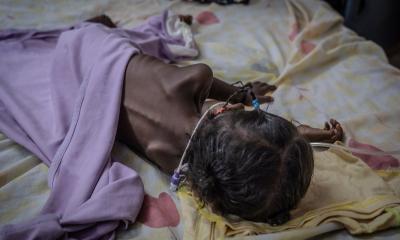
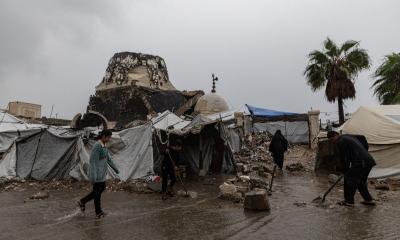
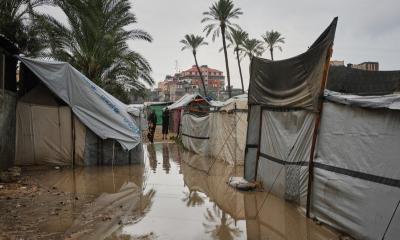
The month-long escalation has severely worsened the country’s humanitarian conditions. More than 323,000 people have been displaced across Yemen since August. The Taiz governorate received the largest share of the displaced population, according to a Friday report from the United Nations Office for the Coordination of Humanitarian Affairs.
More than two in five internally displaced individuals are located in Taiz. A Houthi blockade cuts off supplies there to approximately 800,000 residents.
The UN Human Rights Office documented 281 civilian casualties since August, comprising 69 deaths and 212 injuries. Children account for more than one-third of the total. In Taiz, acting director of the governorate’s Siege Affairs Department Salah Ahmed Ghaleb al-Majidi described local conditions as catastrophic. He said essentials such as medical supplies, food, fuel, and water are unable to reach the population.