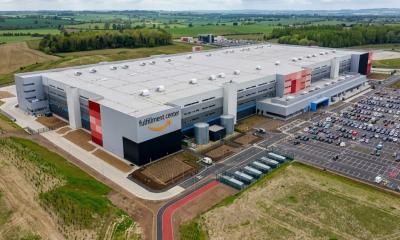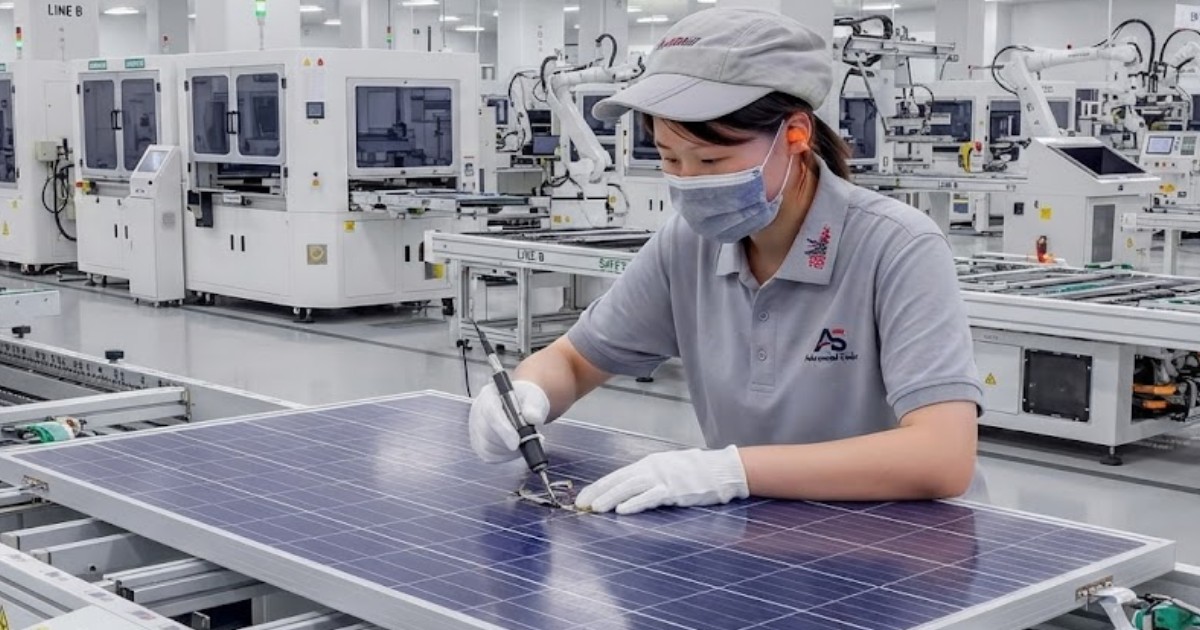
United States President Donald Trump signed an executive order on Thursday imposing a fifteen percent tariff on imported products made from polysilicon, a vital raw material used in semiconductors and solar panels, according to BBC News and Reuters. The strategic trade measure is designed to safeguard American manufacturing facilities from mounting competition originating from China`s rapidly expanding technology sector, which currently maintains a dominant position in global production of the material.
The executive order also establishes strict minimum import prices for polysilicon and related derivatives following a comprehensive national security investigation conducted by the Department of Commerce. For decades, the United States has permitted foreign competitors to undermine domestic producers within the polysilicon sector, according to official statements from the White House. Consequently, the national share of global polysilicon production experienced a steep decline from historic highs in two thousand and five to minimal levels in recent years, prompting immediate policy intervention from federal authorities.
In direct response to the announcement, the Chinese embassy in Washington strongly condemned the measure, asserting that Washington is misusing state power to unfairly target Chinese businesses and disrupt bilateral commerce. Beijing vowed to take necessary countermeasures to protect the legitimate rights and interests of its corporate entities and supply chains. Analysts noted that this latest tariff escalation marks another sharp chapter in the broader technological and economic rivalry between the world`s two largest economies, following a period of relative calm in their bilateral tariff disputes.
The newly imposed measures are officially scheduled to take effect in December. In tandem with the tariff implementation, the administration plans to introduce targeted financial incentives and regulatory reliefs designed to boost domestic manufacturing capacity and encourage companies to onshore production facilities. Major domestic producers such as Hemlock Semiconductor and Wacker Chemie are expected to benefit directly from these protective trade actions, which aim to secure critical supply chains essential for military equipment and advanced electronics.
While domestic industry advocates strongly support the decision, international economists and industry groups have raised significant concerns regarding potential cost increases across global technology supply chains. Essential components required for renewable energy projects, solar installations, and artificial intelligence computing infrastructure could face upward pricing pressures as a direct result of these trade restrictions. Both nations remain locked in a delicate economic balance as market participants evaluate the broader macroeconomic repercussions of these sweeping trade barriers.
The unfolding trade dynamics place renewed scrutiny on global supply chain resilience and future regulatory actions. As policymakers navigate the complexities of international trade and national security, businesses across multiple sectors are adopting cautious operational strategies and reviewing capital allocation plans. The long-term implications of these trade policies will depend heavily on subsequent regulatory adjustments, corporate investments, and international diplomatic engagements in the coming months.