More than six months after the outbreak of military confrontation with the United States and Israel, the civilian population across Iran is confronting severe declines in living standards, Al Jazeera reported. While the governing establishment has maintained state administration and adapted to shifting battlefield realities without ideological concessions, daily life for approximately ninety million residents has transformed into an acute economic challenge. The initial military strikes that commenced on February 28 disrupted vital public sectors and accelerated existing financial pressures nationwide.
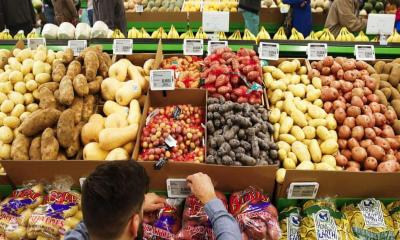
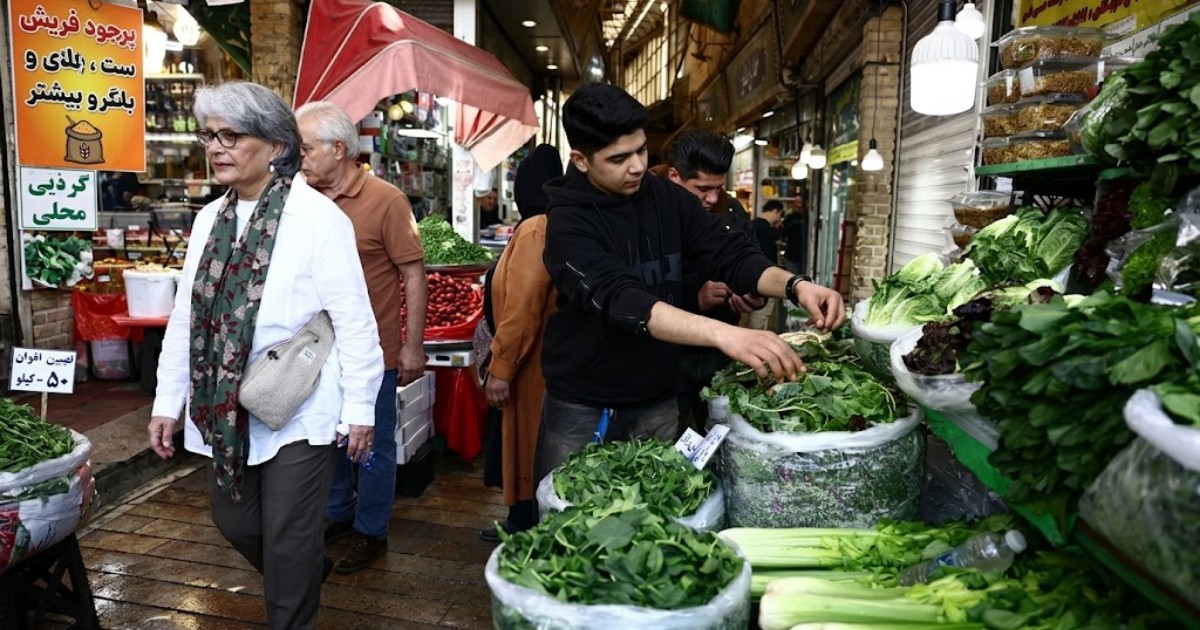
Data from the Statistical Center of Iran revealed that annual inflation reached 89 percent in August, with food inflation exceeding 127 percent compared to the corresponding period last year.
In Tehran’s open foreign exchange market, the national currency dropped to an unprecedented low of 2.06 million rials against the US dollar. This continuous depreciation has severely eroded purchasing power, reducing real household wages and diminishing basic affordability across middle-class urban populations.
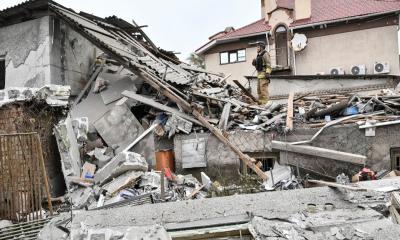
Direct strikes on key domestic installations including oil, natural gas, petrochemical, and electrical utilities have resulted in sustained utility disruptions across major population centers.
Municipal authorities are actively bracing for widespread natural gas deficits ahead of the winter season as infrastructure repairs face logistical obstacles. In response to mounting shortfalls, administrative bodies have reduced standard fuel quotas for private automobiles and scheduled domestic fuel price adjustments in the coming weeks.
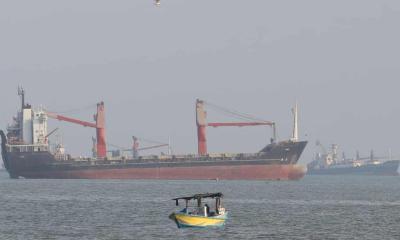
On the diplomatic track, proposed transit arrangements through the Strait of Hormuz mediated alongside regional actors remain contested, with Washington opposing localized transit exemptions while maintaining comprehensive sanctions against Iranian trade networks.
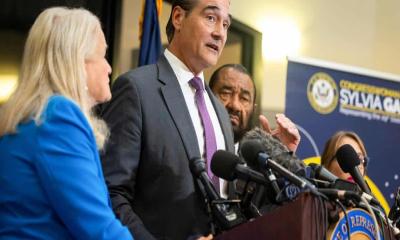
President Masoud Pezeshkian publicly acknowledged on state television that the administration faces acute financial constraints and logistical hurdles in exporting crude oil to sustain domestic welfare programs.