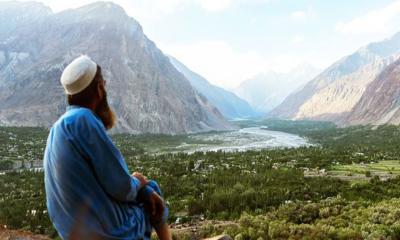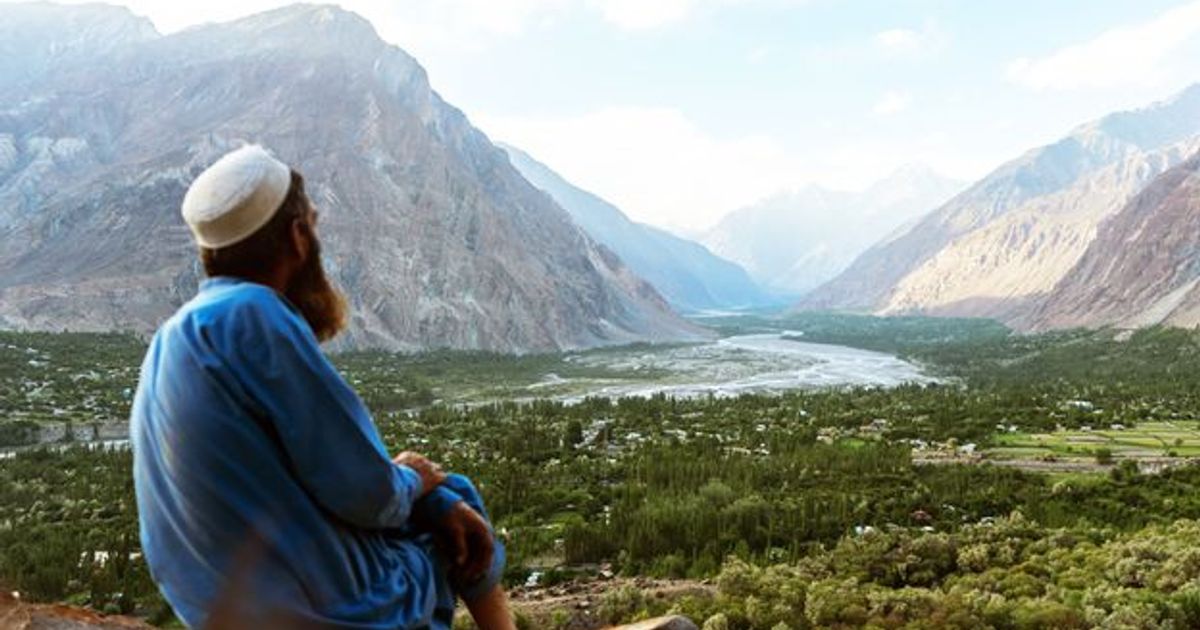
A traveller completed a 650km motorcycle journey from Islamabad to the remote Ishkoman Valley in northern Pakistan, trading capital traffic for open skies and rugged mountain terrain. Bordering Afghanistan’s Wakhan Corridor, Ishkoman is one of the least-visited mountain regions in the country. Visitors seeking quick access typically take an unreliable flight to Gilgit followed by a four-to-five hour taxi ride, while overland buses can take more than 20 hours.
Renting a 150cc motorcycle covered in technicoloured truck art, the journey north began across Islamabad’s grid-like streets before joining the Karakoram Highway. The Karakoram is the world’s highest paved international roadway, following the ancient Silk Road and offering views of the turquoise Indus River far below. Exposed cliffside highways revealed jagged snow-capped peaks around every hairpin bend, including the 8,126m face of Nanga Parbat.
After passing through the bazaars of Gahkuch, the road narrowed into a single ribbon of tarmac following the terrain into the valley. Stops along the three-day route included taking photographs, sleeping at roadside guesthouses, and sharing steaming cups of chai with uniformed officers at police checkpoints where carrying a passport at all times is mandatory.
The journey ended at the Coyote Den Ishkoman Hostel in Chatorkhand, a pastoral mountain retreat run by co-owners Sana Marwat and Alex Reynolds. Conceived as a budget-friendly hostel for wanderers and bikers, the property features stone cottages dispersed throughout a rose-filled garden. The wood used in construction was sourced from local pine and poplar trees, while stones were gathered from nearby waterways.
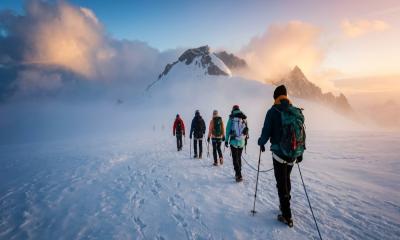
"Ishkoman is famous for its masonry," Reynolds said. The buildings feature stained glass windows and local rugs, with dinner served family-style in a mud-walled dining room. Beyond relaxation, guests can undertake a three-to-four day, 45km trek from Nalter back to Ishkoman Valley, traversing the 4,700m Pakora Pass and a glacier.
Reynolds said the valley was chosen for the hostel because it is untouched and features a highly educated, open-minded community. Most residents belong to the Ismaili Muslim branch of Islam, which emphasises mystical interpretations. Women and men both work outside the home on farms.
Evenings at the hostel involved sitting on floor cushions in a traditional gathering room sipping homemade red wine, listening to the dadang drum and rubab strings, and watching local men perform the Dani Hareep dance without television or reliable Wi-Fi.
One of the valley residents is Rashida, a female shaman who communicates with mountain fairies known in local folklore as peris. A visit to her home involved riding in a dusty truck bed across the river and up the mountain. In Chitrali folklore predating the spread of Islam, peris are winged beings between human and divine worlds, and shamans traditionally sought their guidance.
Inside Rashida’s mud-walled home, she stared at a mirror pinned to a bare wall to relay answers from the peris. Questions were translated through a chain of languages, moving from Khowar to Urdu and finally to English through Marwat and guide Hakim Ulluh. Marwat said that Ishkoman Valley alone has 10 spoken languages, with Khowar being the most common.