Tajikistan recorded an 8.2 percent year-on-year expansion in gross domestic product during the first six months of 2026, driven by an 18.4 percent rise in fixed-capital investment. The expansion follows an 8.4 percent growth rate across 2025, alongside a fresh $300 million grant approved by the World Bank on June 30 for the flagship Rogun hydropower facility. Yet behind these impressive figures lies a vulnerable macro-fiscal structure anchored by cross-border labor remittances, state-backed megaprojects, and compounding off-budget liabilities.
The World Bank continues to classify Tajikistan at high risk of debt distress.
The country`s rapid economic pace has not been accompanied by private capital investment from abroad. Foreign direct investment weakened throughout 2025, leaving migrant remittances as the primary engine of household demand and foreign exchange. Worker transfers from Russia and regional hubs equaled roughly 46 percent of national economic output last year, far outweighing industrial exports from state companies such as aluminium producer TALCO. This leaves the domestic economy highly sensitive to potential economic contractions in Russia or regulatory changes to foreign employment permits.
Sustained growth has nevertheless delivered visible improvements in living standards.
The share of citizens living below the multilateral $4.20-a-day poverty line dropped from 55 percent in 2010 to 14.8 percent in 2025. Gross foreign-exchange reserves have climbed to $5.6 billion, sufficient to cover more than eight months of essential merchandise imports. However, this buffer is counterbalanced by a structural trade deficit that reached 35 percent of national output, reflecting an underdeveloped domestic manufacturing base that channels external cash straight back into imported consumables.
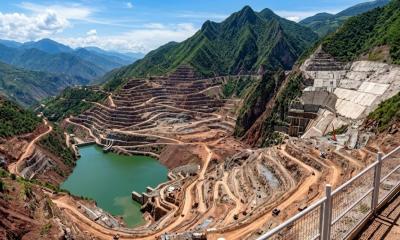
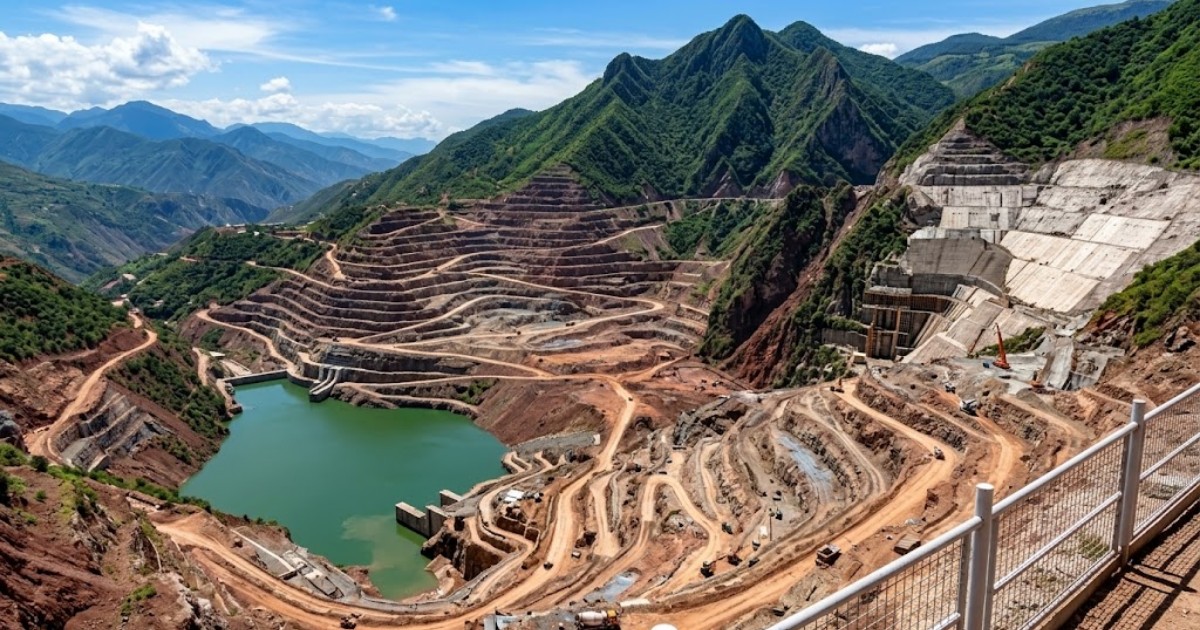
The national economic strategy remains tied to completing the colossal Rogun dam.
Upon full commissioning, the installation is projected to generate 14,400 gigawatt-hours annually, representing roughly 60 percent of Tajikistan`s existing electricity generation. In addition to resolving chronic winter blackouts, regional export protocols anticipate supplying surplus power to neighbouring Kazakhstan and Uzbekistan while supporting 30,000 direct and secondary jobs. Although multilateral commitments have brought cumulative World Bank financing to $650 million, anticipated export revenues cannot service commercial debt obligations until transmission links, power-purchase contracts, and transparent corporate governance are operational.
The most acute fiscal pressures stem from opaque liabilities held by state-owned corporations.
While headline sovereign debt appears manageable under International Monetary Fund baseline reviews, adjusted stress tests reveal unrecorded exposure totaling 11.7 percent of national income. State power utility Barqi Tojik holds accumulated payment arrears representing 8.2 percent of GDP, worsened by non-payment from TALCO. The aluminium producer itself carries external debts equal to 2 percent of output and remains subject to an enforcement battle over an international arbitration ruling exceeding $300 million.
A $200 million concessional budget-support loan signed in August with the Eurasian Fund for Stabilization and Development has offered breathing room for upcoming Eurobond maturities. Without structural adjustments to diversify exports and integrate informal liabilities onto public balance sheets, the regional boom risks turning into a debt trap.