Hearing is a vital sense, and once damaged, the loss is often permanent. Valerie Pavlovich Ruff, an audiologist at the Cleveland Clinic, warns that the auditory system does not possess the ability to retrain or rebuild itself after significant damage. While age-related hearing loss has traditionally been a concern for older adults, specialists are now observing these conditions in younger patients, including teenagers and children. According to Jamie Bogle, an audiologist at the Mayo Clinic, the cumulative effect of neglecting ear health in youth manifests later in life. Understanding the mechanics of the ear is essential for preservation. Deep within the inner ear lies the cochlea, which is lined with thousands of delicate hair cells. These hairs translate pressure waves from sound into electrical signals sent to the brain. Exposure to loud sounds, whether from concerts or personal listening devices, causes these hairs to bend or break, similar to the impact of gale-force winds on trees. Unlike other biological tissues, these hair cells do not regenerate once lost.
The implications of hearing loss extend far beyond just difficulty in hearing. It often leads to social isolation, as individuals may withdraw from friendships and community interactions due to the frustration of mishearing conversations. Furthermore, several studies have linked hearing impairment with cognitive decline, including dementia. While researchers are currently investigating gene therapies to regenerate hair cells, following the lead of zebrafish and chickens, such treatments are not yet clinically available. Until then, prevention remains the only effective defense. Protecting your existing hearing capacity is critical for maintaining cognitive health and social connection in the long term.
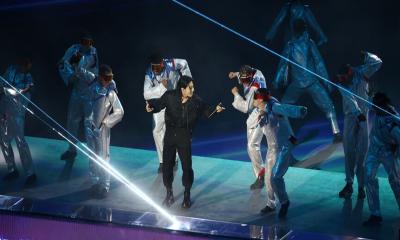
Concerts and live music events are common sources of damaging noise levels. The amplification used at these venues can cause cumulative damage to the inner ear in as little as ten to fifteen minutes. While traditional foam earplugs can distort sound quality, high-fidelity plugs offer a solution by softening the volume without sacrificing audio clarity. Similarly, sporting events often reach dangerous decibel levels that can harm hearing over time. Parents are encouraged to utilize hearing protection for children and themselves, as these cumulative episodes of noise exposure contribute to long-term impairment.
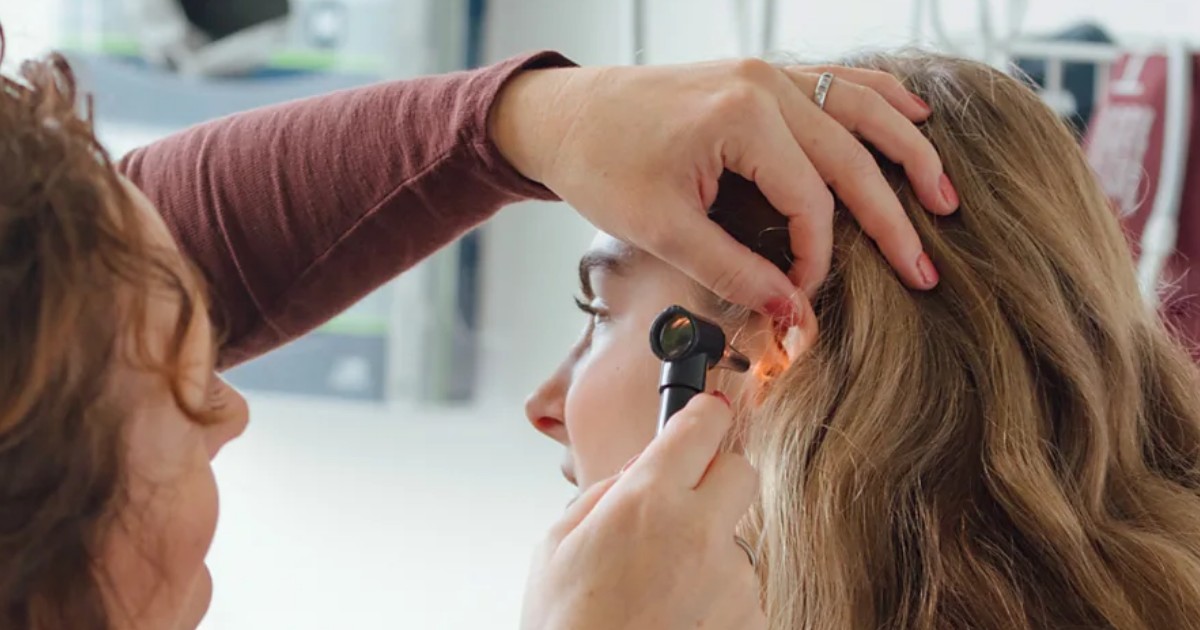
Headphone use has become a primary driver of preventable hearing loss in younger generations. Experts recommend adopting the 60-60 rule: listening at no more than 60 percent of maximum volume for no longer than 60 minutes at a time. If someone nearby can hear your music through your headphones, the volume is likely set too high. Additionally, everyday household chores such as gardening with power tools or lawnmowers can produce enough noise to strain the ears. Experts advise wearing noise-reducing earmuffs during these activities. It is also important to practice proper ear hygiene. Using cotton buds or inserting foreign objects into the ear canal often compacts wax and leads to infections or muffled hearing. The ear is a self-cleaning organ, and excess wax is usually flushed out naturally. If hearing changes or persistent issues occur, seeking professional help from an audiologist is the best course of action.