An incarcerated Indigenous woman was shackled to a hospital bed in Queensland while in labour over the weekend, according to an advocacy group. The birth occurred days after the Labor government and the Coalition blocked a bill aiming to ban the shackling of incarcerated women during childbirth.
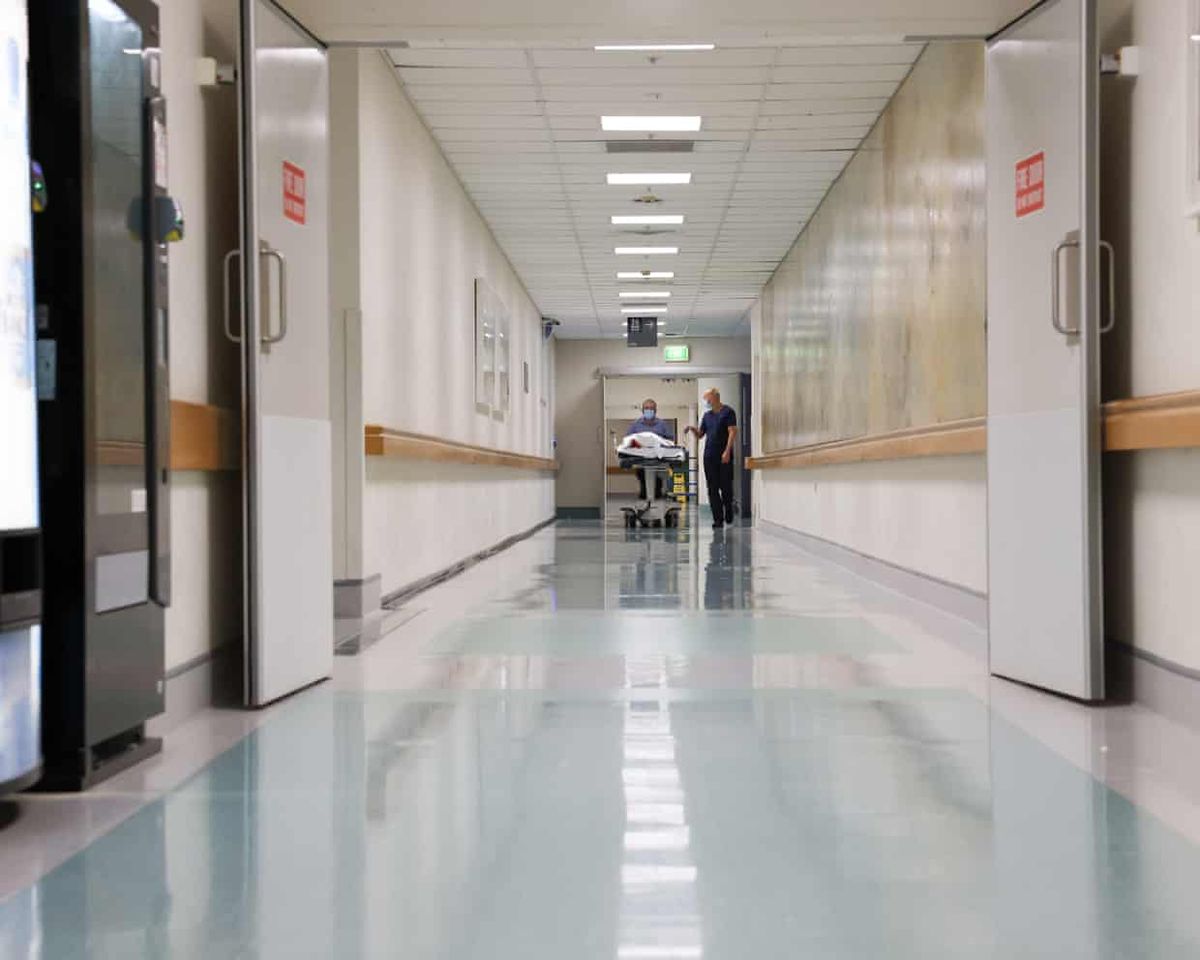
Debbie Kilroy, the chief executive officer of the advocacy group Sisters Inside, stated that the Aboriginal woman gave birth via caesarean section to a premature baby. She remained shackled on and off during her hospital stay after the delivery.
Kilroy stated that the mother was crying because prison staff refused to remove the restraints. She noted that the woman was spiralling before the shackles were eventually removed on Friday, adding that her health deteriorated as soon as the restraints were applied.
The mother was not violent and posed no flight risk, according to Kilroy. She asked how many more women and babies must endure such experiences before authorities act.
A Queensland corrective services spokesperson said the incident would be subjected to an internal review. Restraints are only ever to be used as a last resort on pregnant prisoners where necessary to maintain public safety, the spokesperson added.
Independent senator Lidia Thorpe, a Gunnai, Gunditjmara and Djab Wurrung woman, introduced bills to the Senate to ban shackling and to stop children from being strip-searched. She told parliament that lawmakers possessed the power to end these practices.
An inquiry into Thorpe’s bill previously heard testimony about incarcerated women having one leg and one arm shackled while attempting to hold their newborns with their remaining free arm. Thorpe criticised the federal government for failing to take a stand against the practice.
Thorpe stated that the administration voted to allow the practice to continue and argued that leaving the issue to states and territories was unacceptable. She asserted that the commonwealth has the constitutional power to establish a national standard.
The federal government argued that the criminal justice system falls under the jurisdiction of states and territories. The Coalition stated that it understood the intent of the legislation but would not support its passage.
Queensland Liberal senator Paul Scarr broke ranks to voice deep concern regarding the practice. He stated that he planned to raise the matter directly with the Queensland attorney general.
Australia is a signatory to the United Nations Bangkok rules on the treatment of female prisoners. These rules stipulate that imprisonment should remain a last resort for pregnant women and that instruments of restraint must never be used during labour, birth, or immediately after birth.