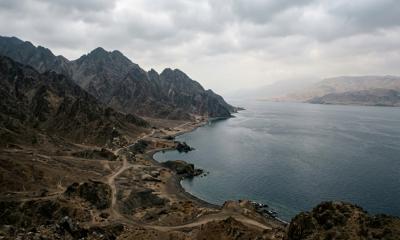
The Saudi Heritage Commission officially discovered 1,774 ancient artifacts in the Al-Mahd governorate of the Medina region during its second archaeological survey season, the Saudi Press Agency and Arab News confirmed from Riyadh on Friday. This extensive survey successfully uncovered numerous historical remains from various ancient civilizations, offering critical documentation from the early days of the Islamic state through centuries of rich history. The commission conducted its intensive field operations across three primary survey zones, including Al-Suwayriqiyah, Al-Muwayhiyah, and Hadhah. The preserved artifacts found in these specific locations provide clear evidence of continuous human settlement in the region across successive historical epochs.
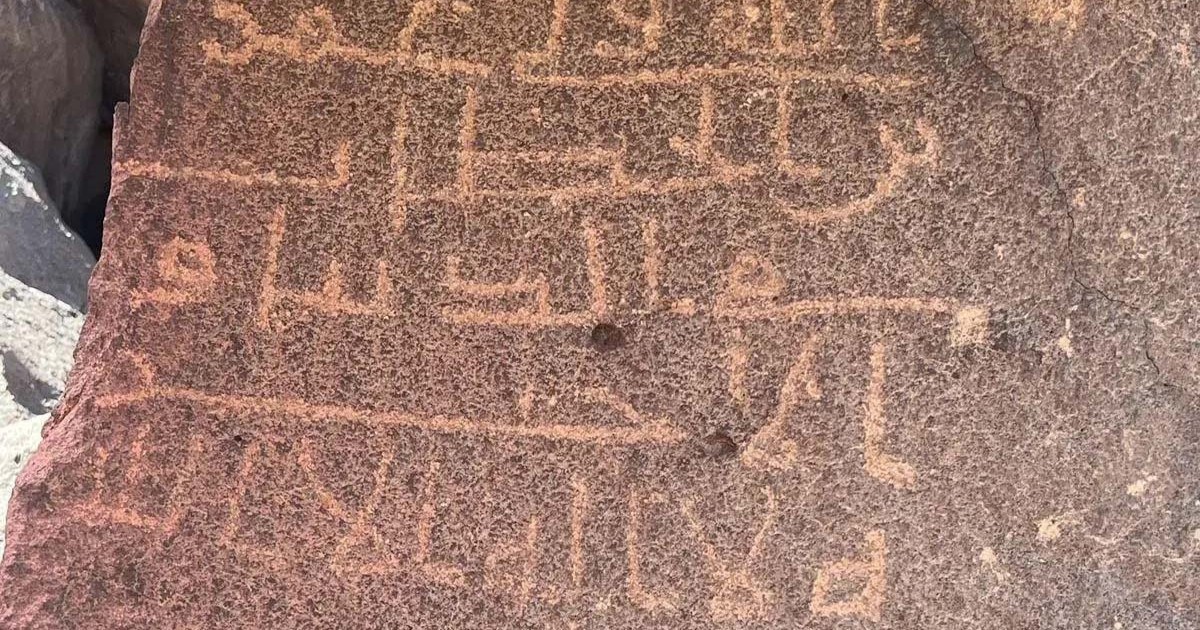
Initial field analysis indicated that the comprehensive survey led to the registration of 156 entirely new archaeological sites within the governorate. Among the recovered historical treasures are 461 classical Islamic inscriptions, 34 ancient Thamudic inscriptions, 1,259 pieces of historical rock art, and 11 ancient stone structures. Additionally, researchers identified three historic royal palaces, two ancient caravan routes, and four historic water wells, emphasizing the strategic importance of the area for commercial and social connectivity in antiquity. This wealth of historical material will help modern researchers construct a clearer picture of daily life and trade dynamics in the ancient Arabian Peninsula.
One of the most extraordinary discoveries from a historical and religious perspective is an ancient inscription bearing the name of the second Caliph of Islam, Umar ibn al-Khattab. Alongside this unique finding, experts discovered classical Arabic poetry engraved directly onto the surfaces of solid rock faces, enhancing the cultural and linguistic value of these historic sites. The Heritage Commission stated that these survey efforts represent an integral part of its national cultural preservation strategy aligned with the core objectives of Saudi Vision 2030. The state organization plans to continue its extensive documentation and surveying initiatives to safeguard and present the nation`s rich historical heritage to a global audience.
What remains unclear is whether local administrative authorities and international research bodies will establish a unified long-term management framework to protect these newly discovered sites from environmental degradation. In addition to this regional success, the commission recently concluded the first field season of a joint scientific research mission with the University of Exeter from the United Kingdom. Operating in the ancient Al-Juhfah Miqat area, this collaborative expedition successfully recovered more than 1,700 historical objects. The site historically served as a critical transit hub along the coastal route utilized by Egyptian pilgrims traveling to the holy cities for pilgrimage.
The international research team discovered six large pottery-firing kilns and an ancient water supply canal designed to serve traveling pilgrims and merchants passing through the arid region. The joint expedition also uncovered 13 important tombstones dating back to the Umayyad and Abbasid eras, which reflect the social and religious customs of those periods. Advanced laboratory analysis revealed that several recovered artifacts originated from distant regions, including the Levant, Egypt, and ancient Ethiopia. These diverse findings confirm that Muslim pilgrims from various geographical areas regularly transited through this historical Miqat throughout different Islamic eras.
Located approximately 187 kilometers northwest of the holy city of Mecca, the Al-Juhfah Miqat has been recognized as an essential entry point since the early days of Islam. The sacred location shares a deep historical and psychological connection with the migration history of Prophet Muhammad. Historians believe that by the second century of the Hijri calendar, the area developed into a prosperous settlement equipped with shops and extensive water facilities to support global pilgrims. These latest archaeological revelations are expected to redefine the understanding of early Islamic trade and pilgrimage infrastructure in the region while reinforcing the historical legacy of the Muslim world.