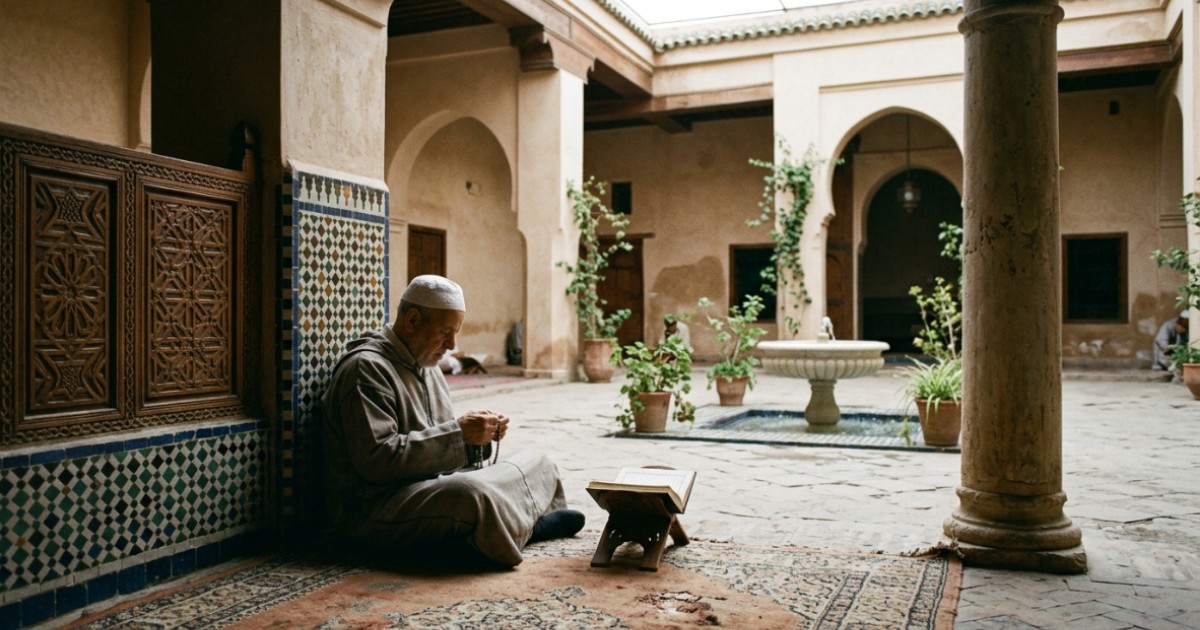
Islam guides believers toward truthfulness and transparency, yet it also emphasizes that not every aspect of life, work, or achievement should be broadcasted to the public. Excessive disclosure can sometimes lead to vanity, arrogance, or unnecessary conflict. By maintaining discretion in specific areas, a Muslim can protect their sincerity (Ikhlas) and safeguard themselves from the "evil eye," envy, and social discord. Here are six matters that are generally better kept private according to Islamic principles.
Charity is a noble act, but keeping it secret is often superior. Allah states in the Quran: "If you disclose your charitable expenditures, they are good; but if you conceal them and give them to the poor, it is better for you" (Surah Al-Baqarah, 2:271). Concealing charity fosters a purer intention, free from the desire for praise. Similarly, voluntary (Nafl) acts of worship should ideally be performed in private. The Prophet (PBUH) praised the person who gives charity so secretly that their left hand does not know what the right hand has given (Sahih Bukhari, 1423). Acts like Tahajjud, voluntary fasting, and private Dhikr are best kept between the believer and Allah.
Furthermore, one should never boast about their sins. While humans are prone to mistakes, publicizing or bragging about one’s transgressions is strictly condemned. The Prophet (PBUH) stated that all his followers would be forgiven except those who publicize their sins, noting that Allah conceals the sins of a believer, and exposing them acts against that divine covering (Sahih Bukhari, 6069). Instead, one should repent privately to Allah. Conversely, one must also cover the faults of others. The Prophet (PBUH) said, "Whoever conceals the faults of a Muslim, Allah will conceal his faults in this world and the Hereafter" (Sahih Muslim, 2699). Protecting the dignity of others is a fundamental responsibility.
Broadcasting one’s righteous deeds can compromise Ikhlas and lead to Riya (showing off). Allah commands that believers worship Him with pure devotion (Surah Al-Bayyinah, 5). Therefore, seeking reward only from Allah, rather than public validation, is the hallmark of a sincere believer. Finally, one should be cautious about sharing major plans, dreams, or goals. Prophet Yaqub (AS) advised his son Yusuf (AS) not to share his dream with his brothers to prevent jealousy and conspiracy (Surah Yusuf, 5). Discretion regarding future plans helps prevent envy and unnecessary obstacles. By balancing transparency with these aspects of privacy, a Muslim can maintain spiritual purity and lead a life characterized by wisdom and balance.