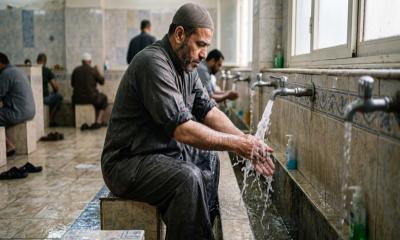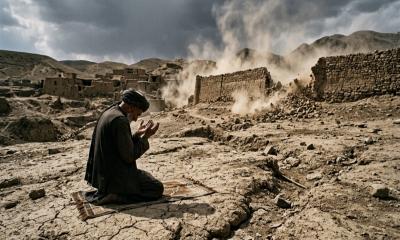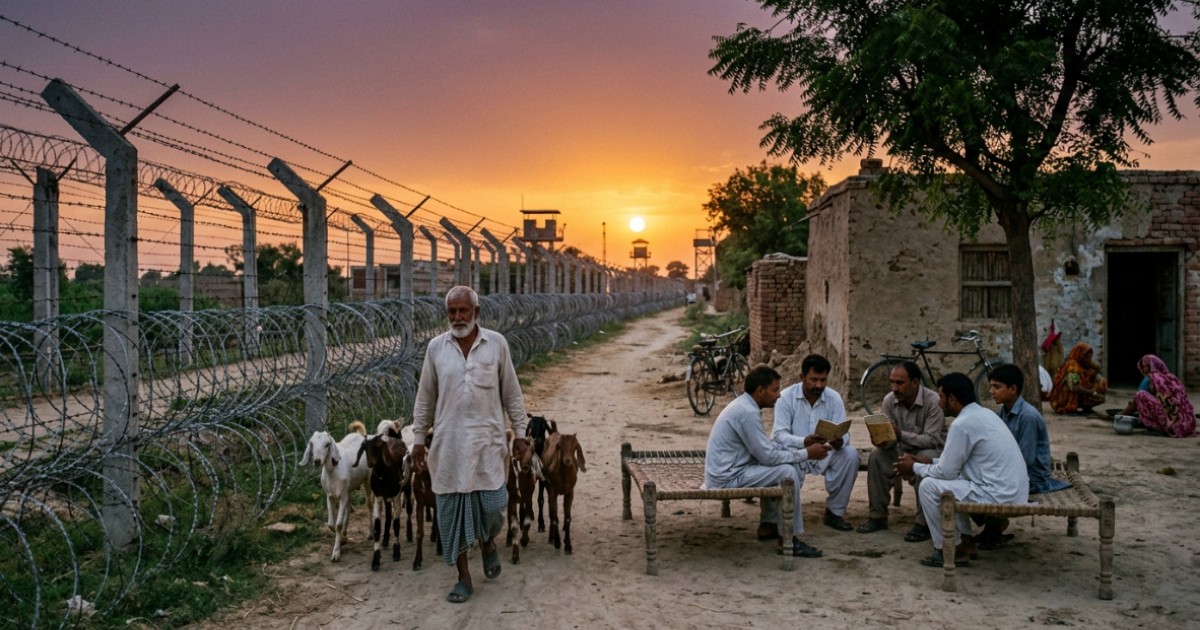
Geographic boundaries may separate nations, but they cannot sever the bonds of faith, kinship, and brotherhood. In many parts of the world, communities are divided by borders while remaining deeply connected by language, culture, and familial ties. For Muslims living in these regions, the intersection of national jurisdictions and religious obligations often raises complex questions. Islamic jurisprudence (Fiqh) provides balanced and practical guidance to navigate these realities, ensuring that a believer’s faith remains intact regardless of their proximity to an international boundary.
The first and most critical issue concerns fasting and the celebration of Eid. When the moon sighting differs across a border, the Islamic instruction is clear: an individual must follow the declaration of the authorities in the country where they are physically located. The Prophet (PBUH) instructed the believers to fast upon sighting the moon and break the fast upon sighting the moon. Jurisprudentially, one cannot adopt the timing of a neighboring region simply because of cultural or familial proximity; the local moon sighting determines the beginning of the month.
Secondly, prayer times are inherently linked to the position of the sun. Even if a border region experiences slight variations in timing, an individual must perform their prayers according to the specific time of their current location. The Quran states that prayer has been decreed upon the believers at specified times (Surah An-Nisa, 4:103). Prayer times cannot be substituted by the official time zone of a neighboring nation or the broadcast of an adhan from across the border. It is a matter of astronomical and local necessity, ensuring the integrity of the prayer schedule.
Thirdly, regarding congregational prayers (Jumu’ah and Jama’ah), it is religiously permissible to cross a border legally to attend prayers in a neighboring country. However, scholars advise that maintaining local social order and respecting administrative regulations is also an essential component of Islamic ethics. Fourthly, concerning Zakat, while it is virtuous to prioritize the poor within one`s own country or immediate vicinity, it is entirely permissible to distribute Zakat to impoverished relatives across the border. Islam encourages fulfilling the rights of kin, and giving Zakat to a relative carries the dual reward of charity and strengthening the ties of kinship.
The fifth issue involves Qurbani (sacrifice). It is permissible for a person to reside in one country while arranging for their Qurbani to be performed in another. The presence of the owner is not a requirement; appointing an agent (Wakil) is sufficient. However, the timing of the sacrifice must follow the Eid prayer time of the country where the animal is located, not where the owner resides. This ensures the act of worship is performed within the correct theological timeframe.
Sixthly, the rules of Musafir (traveler) apply to anyone crossing the border if they cover the distance prescribed by Shariah. In such cases, one is entitled to shorten their four-rak`ah prayers (Qasar) and avail themselves of the concessions regarding fasting, as permitted by the Quran (Surah Al-Baqarah, 2:185). Finally, the duty to maintain kinship (Silatur Rihm) is paramount. National borders are not a valid excuse to sever family ties. The Quran emphasizes the importance of kinship, warning believers to fear Allah and honor their blood-related relatives.
In summary, while border residents face unique logistical realities, Islam offers practical and balanced guidance for every aspect of life. Whether it is fasting, prayer, Zakat, or family visits, the principle remains consistent: follow the local reality and the law of the land where one resides, while keeping the heart connected to the broader Islamic community. Barbed wire fences may separate lands, but they cannot divide the faith, love, and brotherhood of the Ummah.