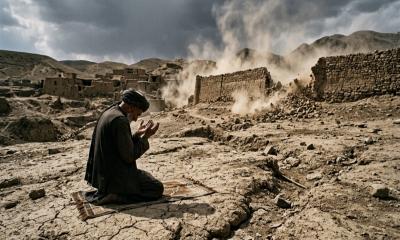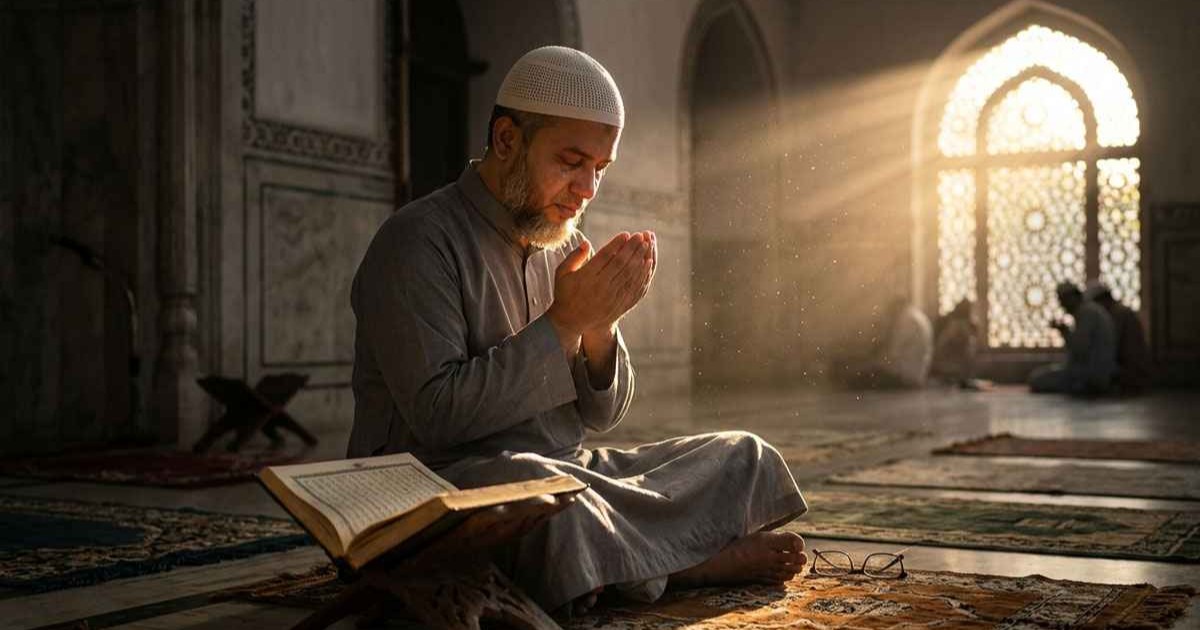
Human life is inherently prone to errors, neglect, and deviations from the right path. However, the beauty of the Islamic faith lies in its assurance that one is never left in the darkness of despair. The doors to redemption remain perpetually open through Tawbah (sincere repentance) and Istighfar (seeking forgiveness from Allah). These acts are not merely rituals for cleansing past sins; they are transformative practices that grant peace, increase provision, and lead to spiritual success in the Hereafter.
Sin has a way of hardening the heart and weakening one’s connection to the Creator. Sincere repentance serves as the bridge that restores this connection. Allah states in the Quran: "And whoever does a wrong or wrongs himself but then seeks forgiveness of Allah will find Allah Forgiving and Merciful" (Surah An-Nisa, 4:110). Narrations from the Prophet (PBUH) confirm this spiritual cleansing: when a servant commits a sin, a black spot appears on their heart. If they repent and seek forgiveness, that spot is wiped away, and the heart is restored to its pristine state (Jame At-Tirmidhi, 3334).
Many individuals find themselves burdened by poverty, hardship, or the lack of fulfillment in worldly affairs. The Quran highlights Istighfar as a primary means to attain blessings and material provision. Prophet Nuh (AS) told his people: "Ask forgiveness of your Lord. Indeed, He is ever a Perpetual Forgiver. He will send
the sky upon you in showers and give you increase in wealth and children and provide for you gardens and provide for you rivers" (Surah Nuh, 71:10-12). Scholars note that these verses emphasize how seeking forgiveness is a catalyst for receiving Allah`s mercy and abundance.Life often presents challenges that make the future seem bleak, such as financial crises, family strife, or mental fatigue. In such times, Istighfar provides the ultimate refuge for a believer. The Prophet (PBUH) promised: "Whoever frequently seeks forgiveness, Allah will appoint for him a way out of every distress, a relief from every anxiety, and will provide for him from where he could not imagine" (Sunan Abu Dawud, 1518). Furthermore, Istighfar serves as a defensive shield against divine punishment, as Allah notes in the Quran that He does not punish those who seek forgiveness (Surah An-Anfal, 8:33).
Beyond relief from worldly troubles, Istighfar is a pathway to earning Allah`s love. The Quran explicitly declares, "Indeed, Allah loves those who are constantly repentant" (Surah Al-Baqarah, 2:222). A servant who returns to Allah with remorse becomes beloved to Him. Even though the Prophet (PBUH) was free from sin, he remained steadfast in seeking forgiveness, often asking for it over seventy times a day (Sahih Bukhari, 6307). This practice of the Prophet (PBUH) underscores that Istighfar is essential for spiritual elevation and proximity to the Creator.
For repentance to be accepted, specific conditions are emphasized by scholars: sincere remorse for the sin, immediate cessation of the sinful act, a firm determination not to return to it, and restoring the rights of others if they were violated. In a world characterized by haste and anxiety, a commitment to daily Istighfar can provide a sanctuary of peace. This single, sincere practice has the potential, by the grace of Allah, to profoundly alter the trajectory of one’s life, leading to both worldly tranquility and success in the eternal life.