Ensuring the safety of the nation, society, and people is considered a significant act of worship and a social responsibility in Islam. Because of this, guarding the borders and protecting the populace are held in high esteem within the Quran and Hadith. In Islamic terminology, remaining on vigilant guard to prevent enemy intrusion is called "Ribat." The virtues associated with this deed, as described in sacred texts, are often considered superior to many other voluntary acts of worship. Allah says in the Quran, "O you who have believed, persevere and endure and remain stationed and fear Allah that you may be successful" (Surah Al-Imran, 3:200). Scholars interpret this verse as an instruction for Muslims to remain in a state of vigilant readiness for the security of their lands and society.
The Prophet Muhammad (PBUH) emphasized the unparalleled status of this duty, noting that its rewards surpass the value of worldly possessions. It is narrated by Sahl ibn Sa`d (RA) that the Prophet (PBUH) said, "Guarding the frontier for one day in the path of Allah is better than the world and all that is in it" (Sahih Bukhari, 2892). This hadith clearly underscores that no amount of worldly wealth or luxury can equate to the merit of serving on the front lines to protect the community.
The extent of the reward for border security is further highlighted in a profound hadith narrated by Salman al-Farsi (RA), in which the Prophet (PBUH) stated, "Guarding the frontier for a day and a night is better than fasting for a month and performing prayer (Qiyam) for a month" (Sahih Muslim, 1913). Islam usually teaches that a person`s deeds cease upon death; however, border guarding is a unique exception. The Prophet (PBUH) continued in the same narration, "If he dies while doing so, his deeds will continue to be recorded, his provision will continue, and he will be protected from the trials of the grave" (Sahih Muslim, 1913).
For those who stand guard in perilous conditions to protect their people, the Prophet (PBUH) provided words of great encouragement. He once asked his companions if they would like to know of a night even better than the Night of Power (Laylatul Qadr). He described it as the night of the guardian who stands watch in a fearful place, fearing that he might not return alive to his family (Mustadrak al-Hakim, 2424). Furthermore, Ibn Abbas (RA) narrated that the Prophet (PBUH) said, "Two eyes will not be touched by the Fire: an eye that weeps for fear of Allah, and an eye that spends the night guarding in the path of Allah" (Sunan Tirmidhi, 1639).
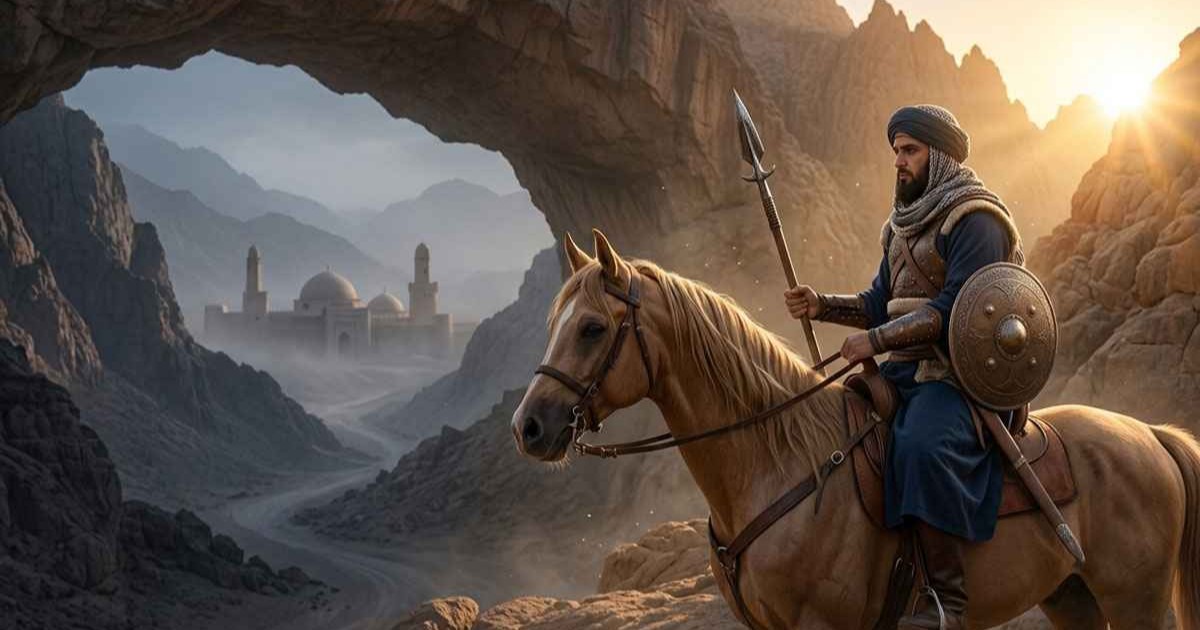
The Prophet (PBUH) also offered the glad tidings of Paradise to those who remained prepared in the path of Allah. During the night of the Battle of Hunayn, the companion Anas ibn Abu Marsad al-Ghanawi (RA) was assigned the duty of guarding a mountain pass. He remained on his horse throughout the night, descending only for prayer and nature`s call. Upon seeing him in the morning, the Prophet (PBUH) gave him the good news, "You have made Paradise obligatory for yourself" (Sunan Abu Dawud, 2501). This reward was granted to him by Allah because of his sincerity, sense of responsibility, and dedication to safeguarding the Muslim lands.
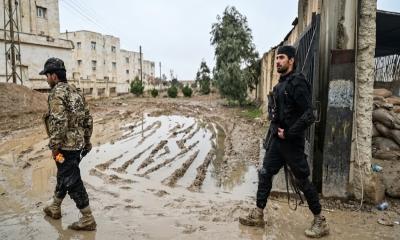
In the contemporary context, members of border guard forces, the military, the coast guard, and other security agencies play a vital role in protecting national independence, sovereignty, and public safety. By serving with the intention of pleasing Allah and protecting their country and people, they can hope to attain these spiritual blessings. Islam serves as a faith that, alongside religious rituals, considers selfless service to the safety and welfare of humanity as a profound source of reward. Guarding the borders remains a shining example of this noble commitment to the greater good. May Allah accept the service of those who protect our nation. Amin.