The Bangladesh government has proposed a substantial allocation for religious leaders in the national budget for the fiscal year 2026-27, according to parliamentary sessions and national media reports on Friday. Finance Minister Amir Khasru Mahmud Chowdhury officially unveiled the new fiscal proposals in the National Parliament on Thursday afternoon. The proposed budget outlines a dedicated fund of BDT 1,081 crore aimed at supporting and upgrading various religious institutions across the country. This financial policy is expected to address long-standing economic hardships faced by thousands of religious clerks who serve local communities daily.
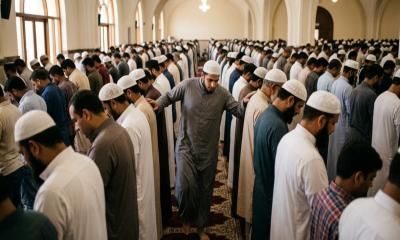
During his official budget speech, the Finance Minister detailed that the government currently provides a monthly honorarium of BDT 10,000 to registered mosque Imams, Muezzins, and Khadems. Similarly, priests and spiritual servants at other religious establishments receive a monthly stipend of BDT 8,000 to assist with their living expenses. Official statistics indicate that approximately 9,520 individuals operating across 6,438 religious welfare institutions have been successfully brought under this social safety net program. The newly proposed budget aims to dramatically scale up these social security operations over the next twelve months.
What remains unclear is the exact timeframe required to integrate unregistered mosques in remote rural areas into this official honorarium network. However, Finance Minister Amir Khasru Mahmud Chowdhury assured the parliament that the administration maintains a definitive long-term roadmap to expand the honorarium for Imams to every active place of worship nationwide. According to the state plan, the welfare system will be implemented step-by-step to include remote villages and smaller community centers. This comprehensive expansion seeks to stabilize the economic condition of religious workers and standardize their institutional recognition.
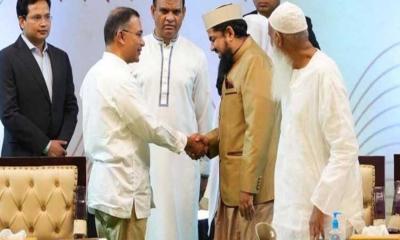
Representatives from Islamic foundations and religious organizations have expressed deep appreciation for this timely economic initiative, characterizing it as a significant step forward. Many local mosque workers in rural districts operate on minimal wages that fail to match the rising costs of living in modern times. The specialized focus on this sector within the national budget is expected to uplift the standard of living for marginalized community leaders. Analysts observe that proper implementation of this project will enhance administrative discipline and reinforce communal harmony throughout the country.
The budget announcement has triggered positive feedback from religious scholars and community leaders across various online and offline platforms. Islamic leaders emphasize that an independent, transparent distribution mechanism will ensure the funds reach the intended grassroots beneficiaries without administrative delays. The inclusive nature of the policy reflecting support for multiple religious institutions strengthens national cohesion. The Ministry of Religious Affairs is expected to issue a comprehensive set of operational guidelines to govern the distribution of these financial grants in the coming weeks.