The Eid-ul-Adha festivities are centered around rich, celebratory feasts. While plates full of meat dishes and intricate desserts are a staple of the holiday, they present specific challenges for individuals managing fatty liver disease. Uncontrolled indulgence can place undue stress on the liver, leading to discomfort and digestion issues. However, with careful planning and mindful eating, those with fatty liver can enjoy the holiday season without compromising their health.Portion control is the primary defense for liver health during festivities.
Fatty liver disease occurs when excessive fat builds up in the liver. During Eid, high-fat meats, fried foods, and sugary drinks can exacerbate the condition. Rather than eating large, heavy meals, it is advisable to stick to smaller portions spaced throughout the day. This approach prevents overwhelming the digestive system and minimizes the strain on the liver, allowing the body to process nutrients more efficiently.Lean meat choices make a significant difference.
When choosing from the Qurbani meat, opt for lean cuts and remove any visible fat before cooking. Moving away from heavy, oil-drenched gravies toward lighter soups or stews with fewer spices is safer for liver function. Reducing intake of processed sugars found in sodas and traditional sweets is also crucial, as sugar is a major contributor to fat accumulation in the liver.Incorporate fiber-rich foods into every meal.
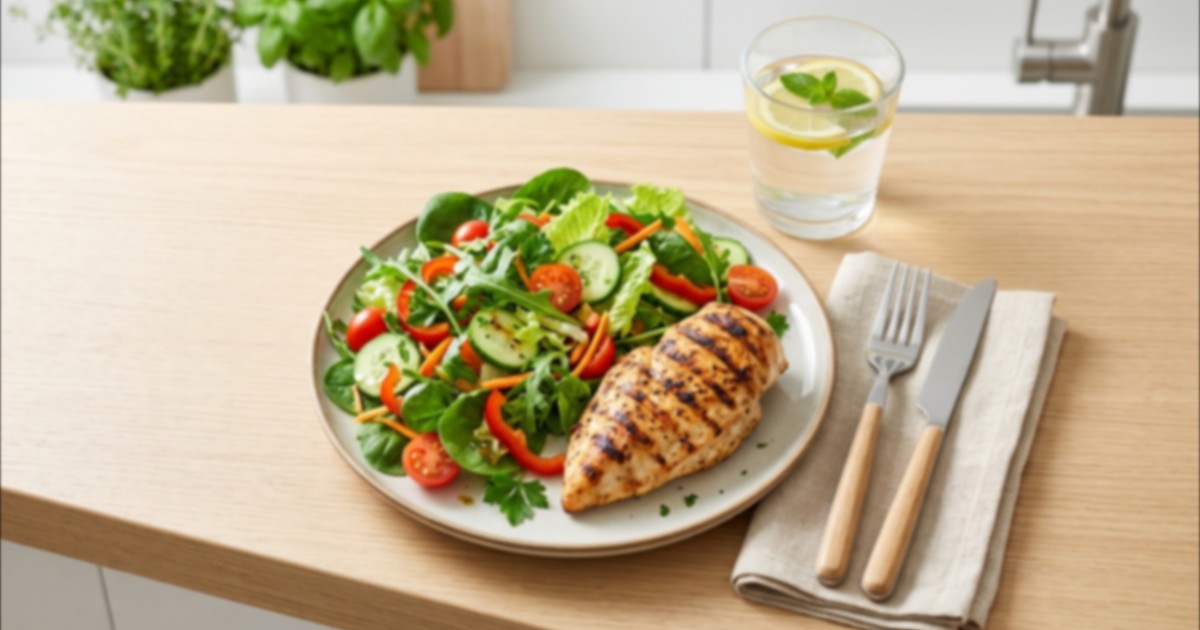
Pairing protein with fresh salads—such as cucumbers, tomatoes, and carrots—aids digestion and helps maintain satiety. Additionally, drinking 2 to 3 liters of water throughout the day ensures metabolic processes remain active. Integrating just 30 minutes of light walking into your daily routine during the holiday break acts as a powerful tool for maintaining liver health.