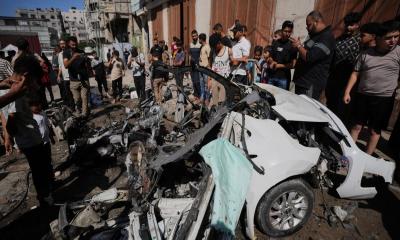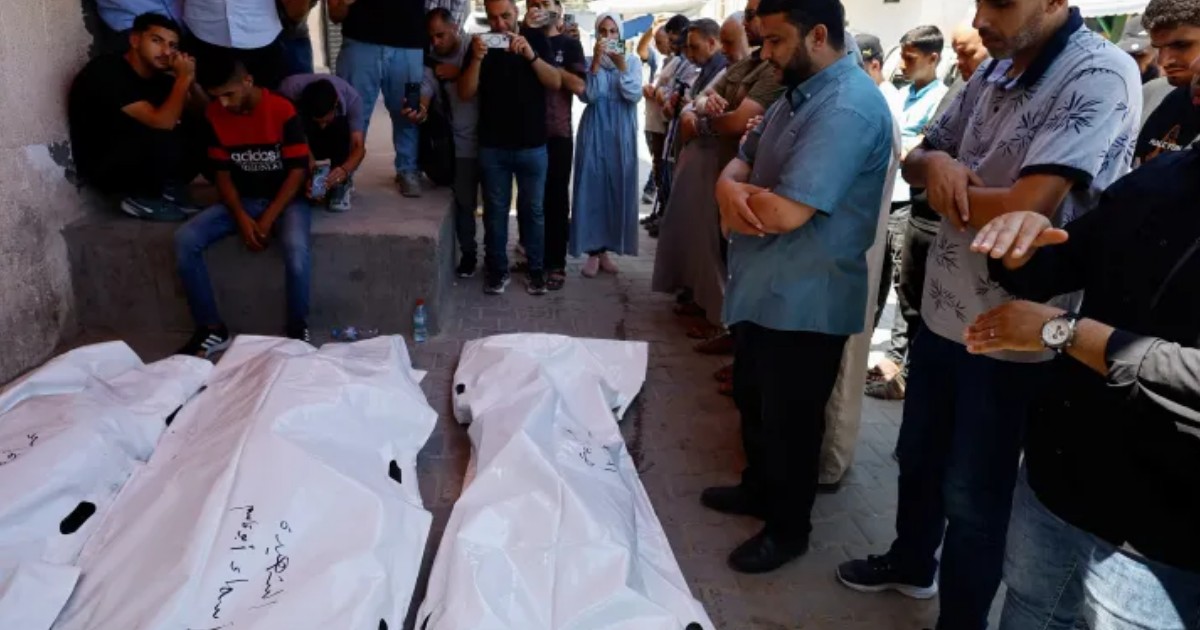
Three members of a family, including a father, a mother, and their six-year-old daughter, were killed in an Israeli airstrike on an apartment building in central Gaza on Wednesday. The attack occurred in Deir el-Balah, a region that has faced persistent military activity despite ongoing talks regarding a ceasefire. Palestinian health officials confirmed the fatalities, noting that one other child survived the blast and was recovered from the debris by Palestinian Civil Defence teams who arrived on the scene to extinguish the fire.
The survival of the remaining child serves as a grim reminder of the daily dangers faced by families in the enclave. According to Al Jazeera’s Hind Khoudary, children in Gaza are losing their lives every day. Those who manage to survive the initial impact of airstrikes often succumb to their wounds due to the severe lack of medical supplies and the diminished capacity of hospitals, many of which are operating at a fraction of their potential. The health system in central Gaza is currently under immense strain, struggling to handle the influx of trauma patients caused by these daily strikes.
The Israeli military later confirmed the strike in Deir el-Balah, claiming the operation targeted a Hamas fighter. The statement from the military did not address the civilian casualties resulting from the attack on the residential apartment. This incident is part of a broader pattern of military actions reported across the territory throughout the day.
In addition to the attack in Deir el-Balah, other areas of the Gaza Strip also came under fire. Israeli air raids were reported at a rehabilitation center in Gaza City, an institution meant to provide essential care to the injured and vulnerable. Simultaneously, another strike targeted a park in Khan Younis, located in southern Gaza. This park had been serving as a makeshift shelter for hundreds of displaced families who have fled from other areas due to the ongoing hostilities.
The continued frequency of these attacks highlights the precarious nature of the current ceasefire agreement. International observers and aid organizations have consistently warned that the lack of adherence to the ceasefire is deepening the humanitarian catastrophe. As medical facilities continue to be overwhelmed and civilian infrastructure remains a target, the prospects for stabilization in Gaza appear increasingly bleak. The ongoing situation remains a source of severe alarm for human rights groups and international agencies monitoring the humanitarian conditions on the ground.