
Wednesday, 29 Apr, 2026
Published: April 29, 2026, 03:05 PM
As the United States and Israel continue their military operations against Iran in the spring of 2026, the geopolitical tremors are being felt most acutely in the United Kingdom.
London finds itself at a precarious crossroads, facing a confluence of economic instability, diplomatic friction with Washington, and a growing domestic outcry over the rising cost of living. British media outlets have painted a grim picture of a nation bracing for a protracted period of hardship, with headlines in the Financial Times and The Guardian warning of a historic collapse in consumer confidence and imminent price hikes across all sectors.
The economic vulnerability of the UK stems largely from its position as a major net importer of energy. The ongoing conflict has threatened the stability of the Strait of Hormuz, a vital artery for global oil and gas shipments.
Luke Bartholomew, deputy chief economist at Aberdeen, recently noted that the UK is "particularly badly exposed" to the Iran shock. Unlike some of its peers, Britain enters this crisis with weakly anchored inflation expectations and a labor market that was already showing signs of softening. For a population still reeling from the energy shocks triggered by the 2022 invasion of Ukraine, the current surge in fuel and food prices represents a financial burden that many households simply cannot absorb.
In the corridors of power at 10 Downing Street, Prime Minister Keir Starmer is navigating a diplomatic minefield. Tensions with the United States have reached a boiling point as Starmer reportedly refuses to grant the Trump administration permission to use UK military bases for direct strikes on Iranian infrastructure. This stance has drawn the ire of Washington, testing the "special relationship" at a time when military coordination is most intense.
Despite this refusal, the UK has signaled its readiness to deploy RAF Typhoons to assist in keeping the Strait of Hormuz open—a move that underscores London’s strategic interest in maritime security while attempting to avoid direct involvement in the offensive campaign.
Domestically, the social fabric of the UK is showing signs of strain. Prime Minister Starmer has formed a dedicated "Iran Crisis Committee" to address the fallout, promising to "stand by working people." However, the rhetoric has done little to soothe public anxiety. Reports of sporadic queues at petrol stations and the return of panic shopping reflect a deep-seated fear of scarcity reminiscent of the early days of the COVID-19 pandemic.
Starmer himself has hinted that the conflict might force citizens to drastically alter their lifestyles, from canceling summer vacations to cutting back on essential grocery purchases. Critics argue that the government’s stretched finances leave little room for the kind of energy subsidies that might be necessary if the war persists.
The human element of the crisis is perhaps most visible within the UK`s Iranian diaspora. With an estimated 90 million people inside Iran cut off by an internet shutdown, Iranian-British citizens like Omid Habibinia describe a state of constant mental anguish.
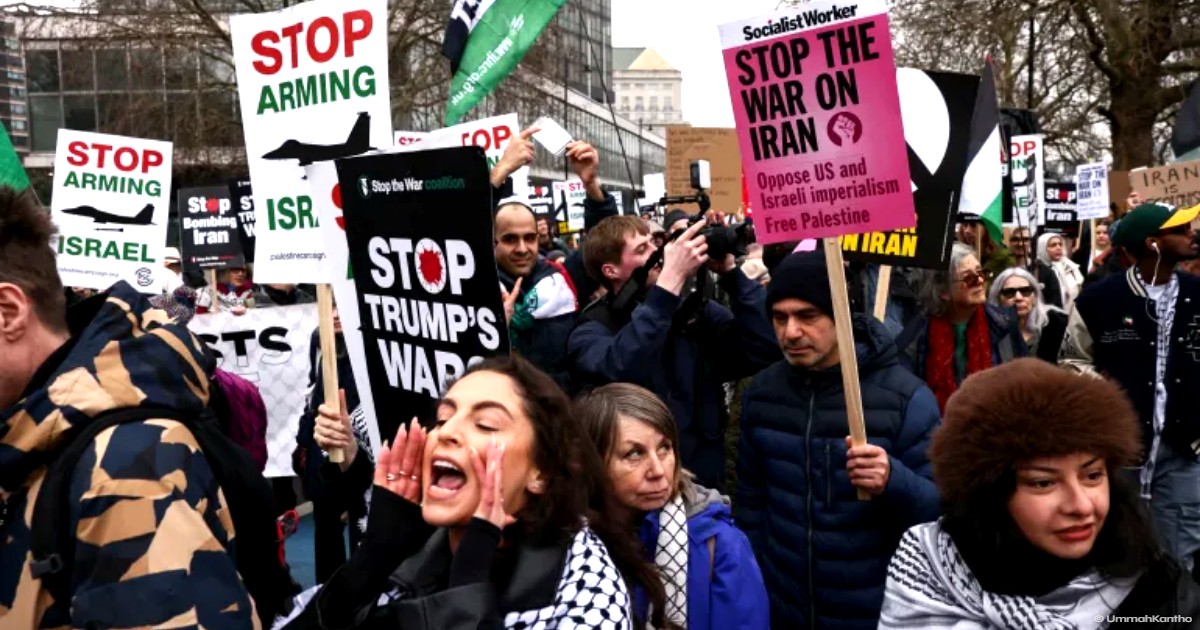
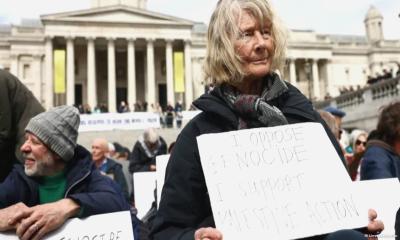
The inability to communicate with loved ones, combined with news of civilian casualties and infrastructure destruction, has mobilized thousands to join anti-war protests across major British cities. Organizations such as the Stop the War Coalition have intensified their campaigns, urging the government to prioritize de-escalation over military posturing.
The strategic debate within the UK also touches on long-term energy security. There is renewed pressure on the government to exploit the North Sea’s untapped oil and gas reserves to buffer the country against future external shocks. However, experts remain divided on whether such a move would provide immediate relief or merely distract from the necessary transition to renewable energy.
As a government minister recently suggested to The Times, the economic fallout from this conflict is expected to last at least eight more months, assuming a ceasefire is reached soon. If the war in Iran continues to escalate, the United Kingdom may find that its most difficult days are still ahead, both economically and politically.
















Design & Developed by 