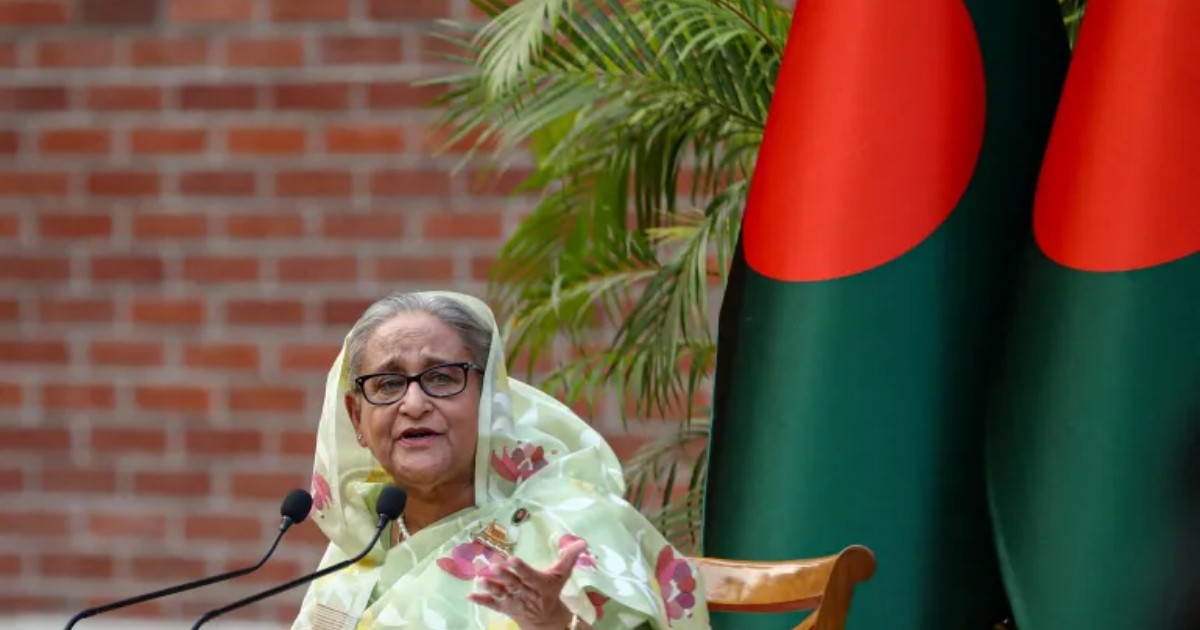
Exiled former Prime Minister Sheikh Hasina has announced her intention to return to Bangladesh this December, despite the threat of a death sentence pending against her. The 78-year-old leader, who has spent the last two years residing in India, told Reuters in an interview that she is preparing to return alongside senior officials from her party, the Awami League. Her stated objective is to legally challenge the government’s decision to ban the party, despite the significant personal risks associated with such a move.
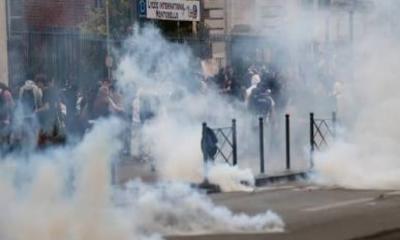
The potential return of the former leader could disrupt the political landscape in Dhaka, which has been attempting to stabilize following the 2024 uprising. That revolt, driven largely by student-led protests against authoritarian rule, forced Hasina to flee the country after a failed crackdown. During her interview from the Indian capital, Hasina characterized the legal proceedings against her as farcical and politically motivated. While acknowledging that she faces the prospect of arrest or potential violence upon arrival, she expressed a desire to return to her homeland, noting that she would prefer to die on her own soil if necessary.
Despite her intentions, the current authorities in Dhaka have signaled that there is no room for reconciliation with the former administration. Home Minister Salahuddin Ahmed, speaking at an event commemorating the second anniversary of the uprising on July 4, stated that the Awami League has been politically buried. According to reports from the Bengali daily Prothom Alo, the government maintains that the former leader shows no remorse for the events that led to the regime change. Officials have made it clear that they view the legal challenges against her as non-negotiable, leaving little room for the political reentry she seeks.
The presence of Sheikh Hasina in India has created a persistent point of friction in bilateral relations. Dhaka has repeatedly requested her extradition, and the matter remains a delicate diplomatic challenge for New Delhi. While Indian officials have publicly stated they are examining the request, the situation remains complicated. Political analysts suggest that Hasina’s voluntary return could fundamentally alter this dynamic, potentially removing a major irritant between the two neighbors, though it would likely trigger immediate legal and political conflict within Bangladesh.
During her twenty-year tenure, Sheikh Hasina oversaw substantial economic transformation, turning Bangladesh into a major garment export powerhouse and lifting millions out of extreme poverty. However, these developments were inextricably linked to a documented descent into authoritarianism and the systematic suppression of political opposition. As she reorganizes her party from abroad—holding online meetings with constituency leaders—she continues to criticize the government’s suppression of her faction. She has argued that her party’s performance should be judged by the electorate rather than prohibited by government decree.
Hasina has also called upon other exiled party members to join her, including those who face similar legal charges, suggesting a collective surrender to the courts to highlight what she describes as a biased judicial process. Whether she succeeds in mounting a legal defense or finds herself immediately incarcerated remains to be seen. As December approaches, the government’s response to her declared timeline will likely define the next phase of Bangladesh’s post-revolutionary political transition.