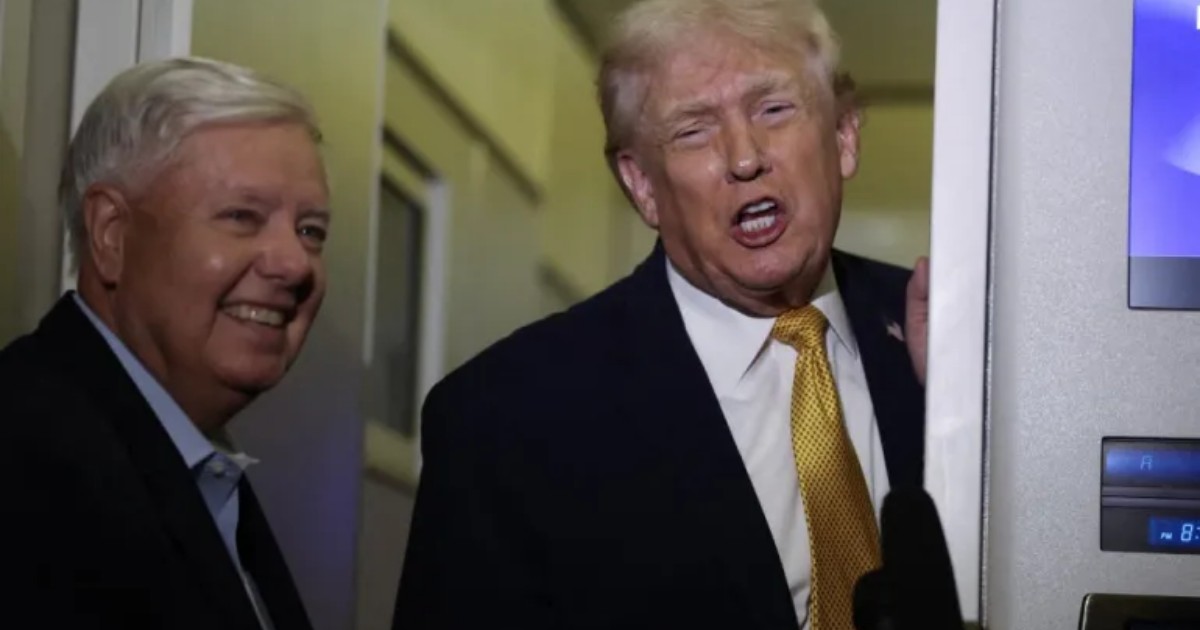
The sudden passing of Senator Lindsey Graham at age 71 has sent ripples through Washington, signaling a period of political uncertainty for President Donald Trump’s administration. Graham, a prominent Republican lawmaker and a former critic turned loyal ally, was widely regarded as a cornerstone of Trump’s domestic and foreign policy strategy. His death, resulting from a sudden medical emergency, comes at a critical juncture as the president looks toward the upcoming midterm elections with a legislative agenda that relies heavily on Senate support.
Graham’s role in the Senate went beyond traditional lawmaking. As a seasoned legislator, he acted as a bridge between the White House and the Capitol, often serving as a primary negotiator for Trump’s most controversial policies, particularly those involving Iran and Middle Eastern security. Political analysts argue that his death leaves a vacuum that will be difficult to fill. With the Senate finely balanced, the loss of a reliable vote and a key consensus-builder threatens to complicate the passage of legislation that Trump considers vital for his current term.
The timing of Graham’s departure is particularly challenging for the Republican Party. With midterm elections scheduled for later this year, the scramble to replace him in South Carolina will now consume the party’s resources and focus. The vacancy forces the GOP to reconsider its strategy in a state that is traditionally a stronghold but now faces a compressed timeline for choosing a nominee. This internal political contest could distract from the administration`s national campaign, potentially weakening Trump’s influence in the upper chamber during these crucial months.
Furthermore, Graham’s influence on foreign policy—especially his hawkish stance against Iran—was a vital component of Trump’s administration. Graham’s ability to rally support for military and economic pressure campaigns was instrumental in maintaining legislative momentum. Without his leadership, it remains unclear whether the White House can sustain the same level of unity within the party. Senators often relied on Graham’s legislative instinct to navigate complex bipartisan deals, an asset that is now gone.
As the administration moves forward, the loss of Graham will test the president’s ability to manage his own caucus. Trump has lost more than just a close advisor; he has lost a political veteran who understood the intricacies of Washington better than most. The coming weeks will likely reveal the true impact of this tragedy on the president’s agenda. While the administration is expected to maintain its current course, the absence of such a skilled and loyal defender in the Senate is an undeniable setback that will reshape the dynamics of power in Washington.