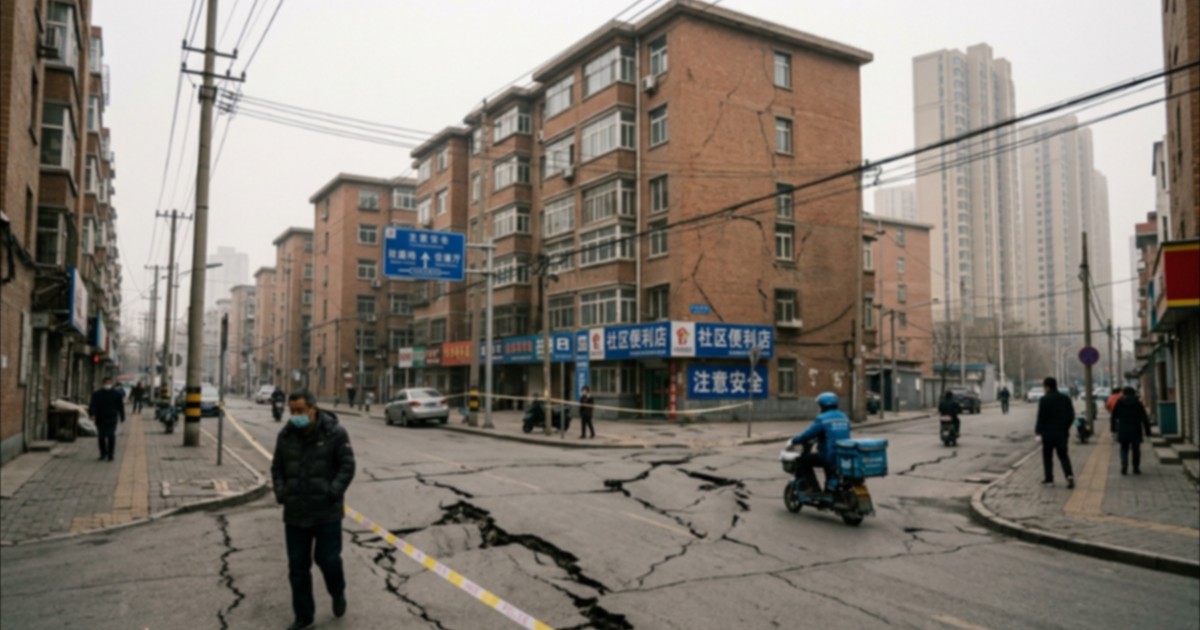
Nearly half of China`s major cities are subsiding, with many sinking at a rate that threatens to leave millions of people vulnerable to flooding, according to a major study published in the journal Science. The research, which analyzed satellite data from 82 cities across the country between 2015 and 2022, provides a comprehensive look at the scope of land subsidence in one of the world`s most rapidly urbanizing nations. The findings suggest that the geological stability of China`s urban centers is under significant pressure from both human activity and natural factors.
The study indicates that 45 percent of the urban land examined is sinking faster than three millimeters per year. Even more concerning is the fact that 16 percent of this land is subsiding at an accelerated rate of more than ten millimeters annually. This issue directly affects a significant portion of the urban population, with millions of residents living in areas where the ground level is dropping steadily. Major economic hubs, including Beijing, Tianjin, and Shanghai, have been identified as hotspots where this geological decline is most apparent.
Researchers point to a combination of factors driving this phenomenon, with the excessive extraction of groundwater being the primary culprit. As Chinese cities have expanded, the demand for water has led to the depletion of deep-seated aquifers, causing the soil layers above them to compact and sink. Additionally, the sheer weight of China’s massive urban infrastructure, including thousands of new skyscrapers and extensive transportation networks, adds tremendous pressure to the ground. Newer, heavier buildings in rapidly developing districts have been found to contribute significantly to local subsidence rates.
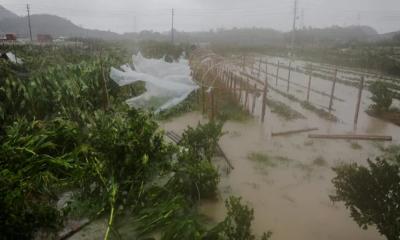
The long-term implications of this trend are particularly dire for China’s coastal regions. As the land level drops, the risk of catastrophic flooding increases, especially when coupled with projected sea-level rise. By the year 2120, researchers estimate that nearly a quarter of China`s coastal land could fall below sea level if current subsidence trends are not reversed. Such a scenario would impact millions of people and necessitate massive investments in flood defense systems to prevent widespread displacement.
While the situation is alarming, some cities have already begun to take remedial action. Historically, successful efforts to regulate groundwater usage have slowed subsidence in other parts of the world, such as Osaka and Tokyo. Experts urge Chinese policymakers to implement national-level responses, including stricter building codes, enhanced monitoring of groundwater levels, and smarter urban planning that accounts for the geological realities of each region. Addressing this silent crisis is now viewed as an essential component of China`s strategy for sustainable urban development in the face of a changing climate.