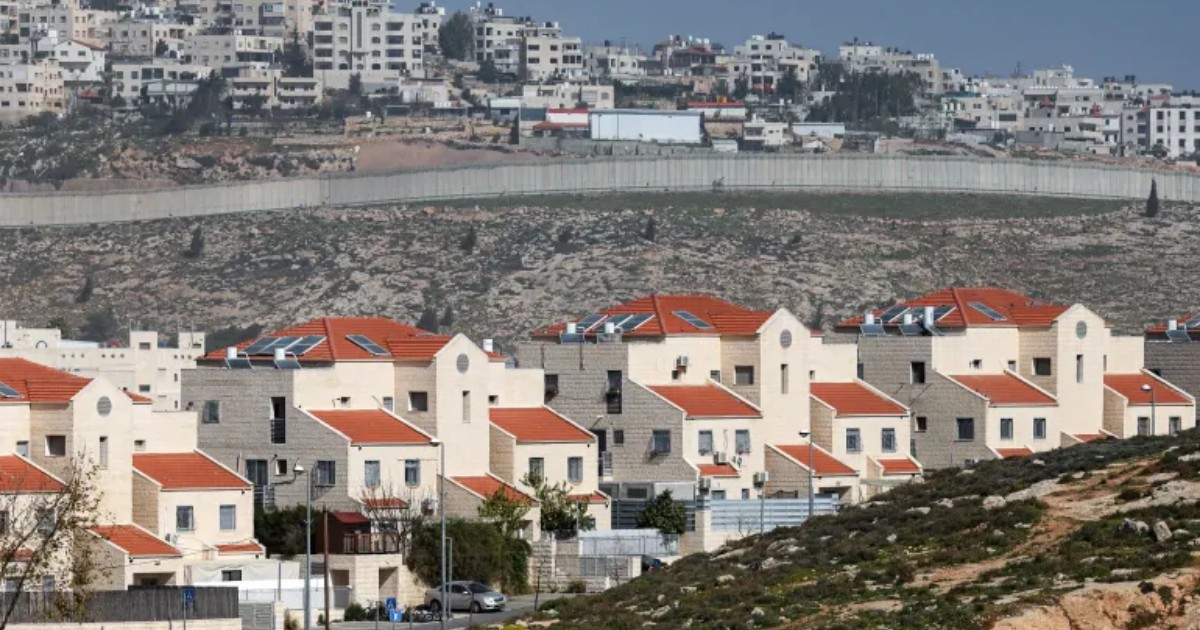
European Union foreign ministers are convening in Brussels to discuss the potential imposition of sanctions on trade originating from Israeli settlements in the occupied West Bank. The meeting follows months of mounting pressure from various member states, driven by an escalation in violence committed by Israeli settlers against Palestinians and the Israeli government`s persistent expansion of settlement infrastructure, which remains illegal under international law.
EU foreign policy chief Kaja Kallas opened the discussions by highlighting the deteriorating conditions in the occupied territory. She described the situation in the West Bank as intolerable and warned that the ongoing developments are making the prospect of a viable two-state solution increasingly impossible. The European Commission has drafted a paper detailing several policy options for the bloc, ranging from the implementation of an import licensing system and the imposition of prohibitive tariffs to a complete ban on trade with the settlements.
Diplomats engaged in the Brussels summit acknowledged that reaching a consensus is the primary challenge. While some member states, including Spain, Ireland, and Belgium, have been vocal in their demands for severe sanctions, other powerful nations like Germany and Italy remain hesitant, having not yet finalized their positions. The legal framework required to enact such measures is also a subject of debate. While some diplomats argue that a qualified majority could suffice to implement trade restrictions, the European Commission`s internal assessment suggests that a total ban might require unanimous support from all 27 member states, a high threshold to achieve given the current political divisions within the union.
The geographic and historical context of the conflict remains a significant factor in these deliberations. Israel has maintained occupation of the West Bank since 1967. According to current estimates, more than 500,000 Israeli settlers reside in the territory, living alongside approximately three million Palestinians. The legitimacy of these settlements was addressed in a landmark advisory opinion by the International Court of Justice in July 2024, which declared the occupation and the settlements illegal, urging states to refrain from trade or investment relations that facilitate the maintenance of the status quo.
While some nations like Ireland, the Netherlands, and Spain have already moved to implement their own limited trade restrictions on settlement-produced goods, the European Union is now exploring whether a collective approach is feasible. Israel consistently rejects these claims of illegality, viewing the territory as disputed and citing historical and religious connections. As the Brussels discussions progress, the objective for many member states is to gauge the level of political will necessary to move forward with a unified strategy. Although an immediate, formal decision is not expected from this specific meeting, the deliberation itself signifies a notable shift in the bloc’s willingness to hold Israel accountable through economic policy.