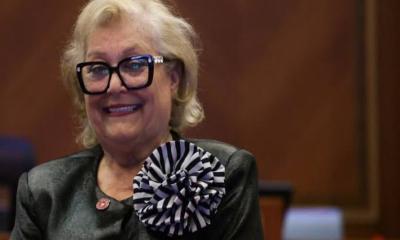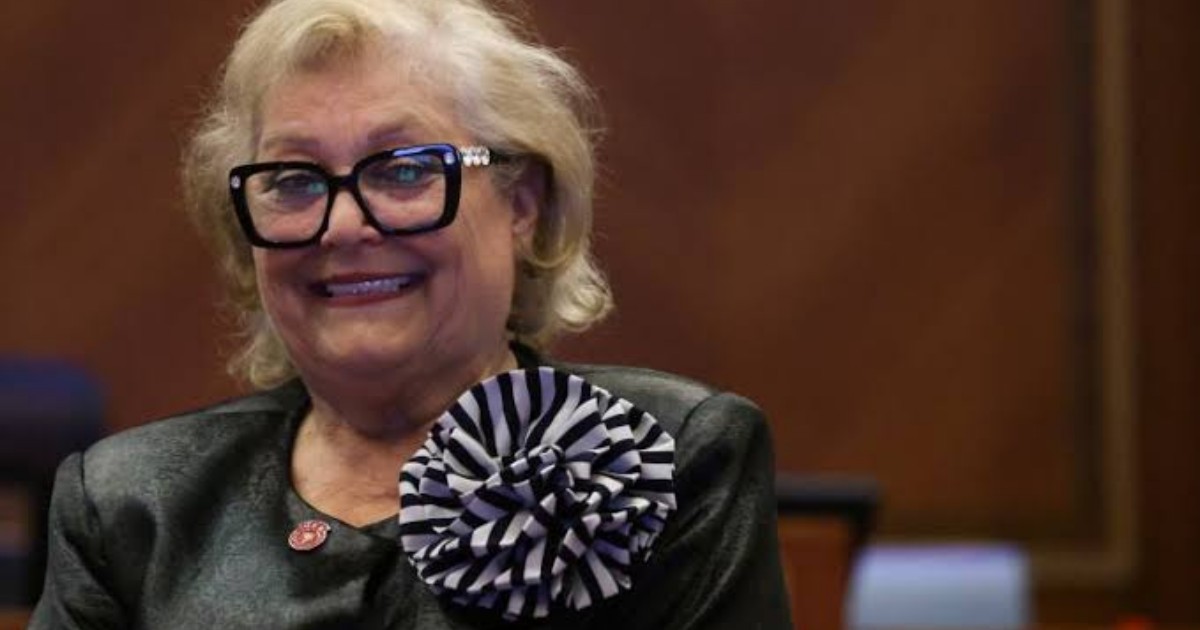
Kosovo lawmakers elected academic and former cabinet minister Justina Shiroka Pula as the nation`s new president, concluding weeks of intense political paralysis and avoiding another round of snap parliamentary elections. The 73-year-old economist secured confirmation during a late-night legislative session following a pragmatic compromise between Prime Minister Albin Kurti`s ruling Vetevendosje Movement and the opposition Democratic Party of Kosovo. The vote occurred minutes before a constitutional deadline that would have triggered parliamentary dissolution.
She garnered 81 votes in the 120-seat Assembly.
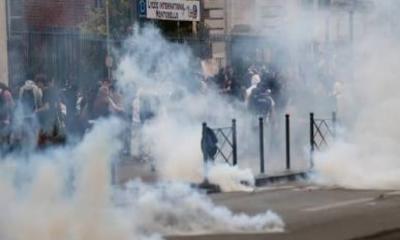
The tally crossed the necessary two-thirds threshold by a single vote, breaking an impasse that had sparked demonstrations in Pristina following recent war crimes convictions issued by the Kosovo Specialist Chambers in The Hague. To facilitate the presidential ballot, political factions simultaneously agreed to adopt statutory amendments revising the administrative framework governing the specialized tribunal.
Shiroka Pula becomes Kosovo`s third female head of state.
Following in the footsteps of Atifete Jahjaga and Vjosa Osmani, the newly elected president brings decades of institutional scholarship and public service to the post. Born in Pristina in 1953, she completed economic studies locally before pursuing graduate research at the University of Zagreb, eventually authoring doctoral work on demographic investment. After an initial tenure at the National Bank of Kosovo, she led departments at the University of Pristina and in December was chosen as the first female head of the Academy of Sciences and Arts of Kosovo.
Her background also encompasses direct executive and legislative exposure, having served as minister of energy and mining between 2008 and 2011 before holding a parliamentary seat until 2014.
Regional policy analysts observed that while the broad bipartisan consensus averts immediate institutional breakdown, her administration faces the delicate challenge of coordinating national foreign policy and fostering domestic unity amid deep political polarization.