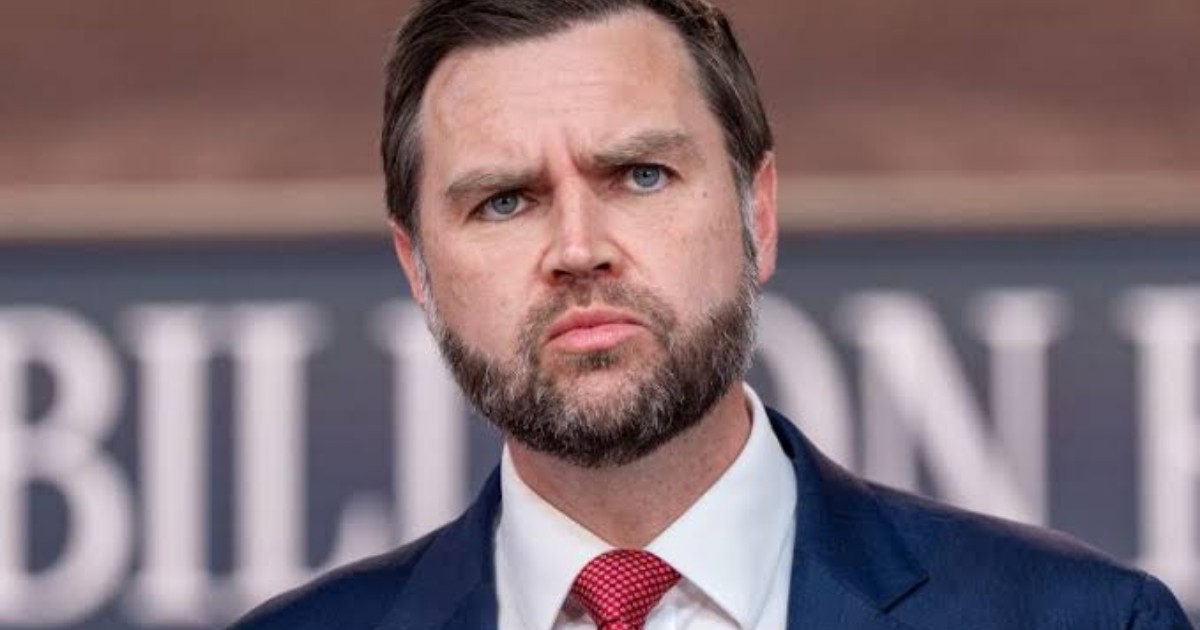
United States Vice President JD Vance has called for Iran to enact a meaningful reduction in its uranium enrichment capacity as a prerequisite for concluding the ongoing conflict. Policy analysts suggest the statement indicates a potential softening of Washington`s longstanding insistence that Tehran terminate all enrichment infrastructure outright. However, divergent messaging from senior American officials continues to complicate prospects for formal negotiations as the war enters its eighth month.
Military confrontations have now stretched across eight months.
While Vance signaled flexibility regarding threshold parameters, Secretary of State Marco Rubio reiterated during an official visit to Athens that the Islamic Republic will never be permitted to acquire an atomic weapon. President Donald Trump similarly cautioned that hostilities would terminate through diplomatic compliance or severe escalation. Lancaster University professor Simon Mabon observed that Iranian strategic interest in assembling an active weapon remains remote, with Tehran prioritizing sanctions relief, unfrozen sovereign capital, and the removal of maritime blockades.
Washington continues to highlight current 60 percent purity stockpiles.
In an interview with Reuters, Vance argued that sustaining 60 percent enrichment contradicts claims of exclusively peaceful intent, noting that fissile material at that concentration exceeds standard civilian reactor specifications. Assessments compiled by the International Atomic Energy Agency confirm that Iranian facilities hold material enriched to 60 percent, beneath the 90 percent weapons-grade threshold, though inspectors recorded no structured weapons development during their May 2025 review. The vice president confirmed direct diplomatic outreach with Iranian President Masoud Pezeshkian and Foreign Minister Abbas Araghchi.
Rubio asserted that Iranian authorities have missed repeated off-ramps, claiming economic stability has deteriorated sharply and that Tehran has ceded practical control over the Strait of Hormuz.
Tehran maintains that ongoing American military operations contradict Washington`s stated interest in diplomatic dialogue. During talks with Armenia`s foreign minister, Pezeshkian dismissed negotiations as futile, noting via official state media that Iranian territory had been struck three separate times immediately following bilateral discussions. Araghchi noted earlier that durable progress remains possible only through frameworks founded on reciprocal fairness, recalling that the Trump administration dismissed an Iranian initiative presented at the United Nations in September to de-escalate maritime transit.
Sustained hostilities across regional waterways continue to obstruct foundational diplomatic compromises.