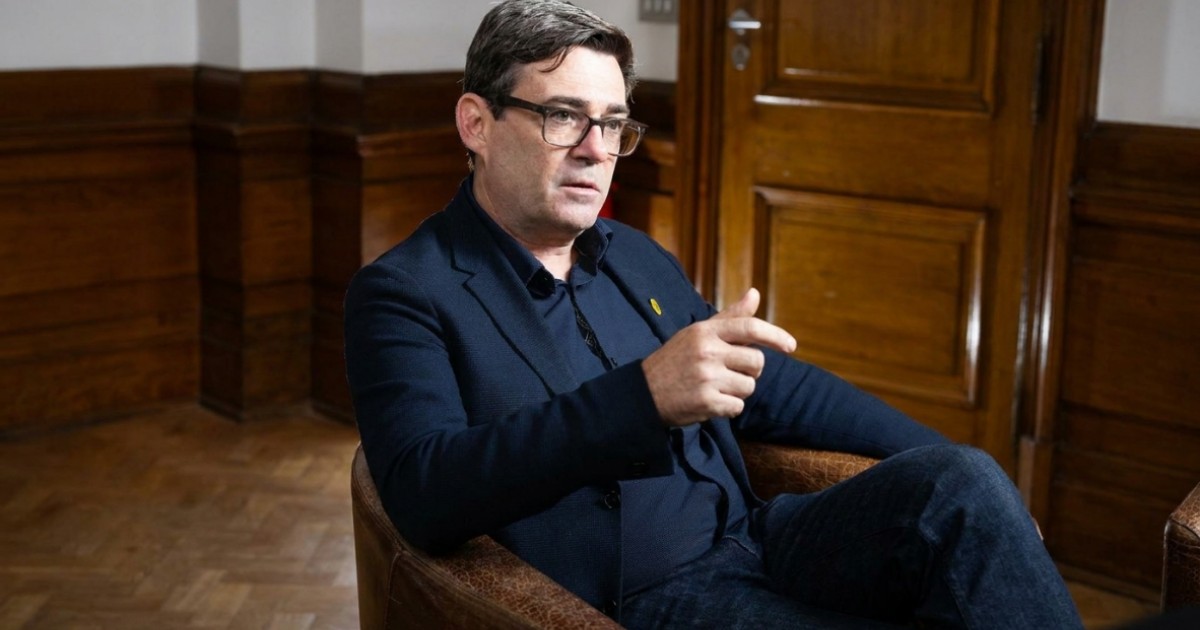
Ummah Kantho Newsroom: The political landscape in the United Kingdom is witnessing a dramatic realignment as the Mayor of Greater Manchester, Andy Burnham, officially launched his campaign to return to Westminster. This strategic move, widely seen as a direct challenge to Prime Minister Sir Keir Starmer’s leadership, follows the sudden resignation of a key Labour MP and a high-profile cabinet minister. The developments have plunged the Labour government into its most significant internal crisis since taking office.
On Thursday, Andy Burnham announced his intention to run for the Makerfield seat in an upcoming by-election. The seat became available after Josh Simons, a scandal-hit Labour MP, resigned to pave the way for the Mayor’s return. Burnham’s leadership pitch is centered on bringing the "change we have brought to Greater Manchester to the whole of the UK." Political analysts suggest that this move is the opening gambit in a bid to replace Starmer as the leader of the Labour Party and, ultimately, as the Prime Minister.
The pressure on Sir Keir Starmer intensified hours before Burnham`s announcement when Wes Streeting resigned as Health Secretary. In a scathing resignation letter, Streeting decried a "vacuum" of vision at the heart of the government. He praised the Prime Minister’s past achievements but insisted that Starmer no longer possesses the direction required to lead the party into the next general election. Streeting’s departure is viewed as a major blow, as he was previously considered a close ally of the Prime Minister.
In an immediate response to the cabinet vacancy, Sir Keir appointed James Murray, the former Chief Secretary to the Treasury, as the new Health Secretary. While Downing Street attempted to project a sense of continuity, the broader political atmosphere remains frenzied. The Labour Party is still reeling from disastrous results in the recent local and regional elections, where the rise of Reform UK presented an "existential threat" to Labour’s traditional heartlands. Nigel Farage, the leader of Reform UK, has already vowed to contest the Makerfield seat with full force to derail Burnham’s path to power.
Unlike his previous attempt to stand in the Gorton and Denton by-election in January—where the National Executive Committee (NEC) blocked him—Burnham is expected to face no such opposition this time. Insiders suggest that the party`s ruling body recognizes the precarious nature of Starmer`s premiership and the need for a leader with broader appeal. Senior figures, including Deputy Leader Angela Rayner and Ed Miliband, are understood to support the idea of Burnham returning to the national stage.
Josh Simons, in his resignation letter to constituents, echoed the sentiment of many within the party, stating that the current government is failing to deliver "radical, brave reform." He explicitly endorsed Burnham as the person capable of providing a new direction. As Westminster braces for a potential leadership contest, the question is no longer if Starmer will face a challenge, but when. The entry of Andy Burnham into the fray marks a turning point for British politics, setting the stage for what many describe as a battle for the soul of the nation.