Pakistan has issued a fierce diplomatic and military rebuttal following a series of controversial comments delivered by India’s top defense leadership. The Inter-Services Public Relations (ISPR), the media wing of the Pakistani armed forces, released an official statement on Sunday, May 17, 2026, strongly condemning the Indian Army Chief threat as highly irresponsible and provocative. This renewed exchange of rhetoric between the two nuclear-armed neighbors has once again thrust the volatile security matrix of South Asia into a state of heightened international concern.
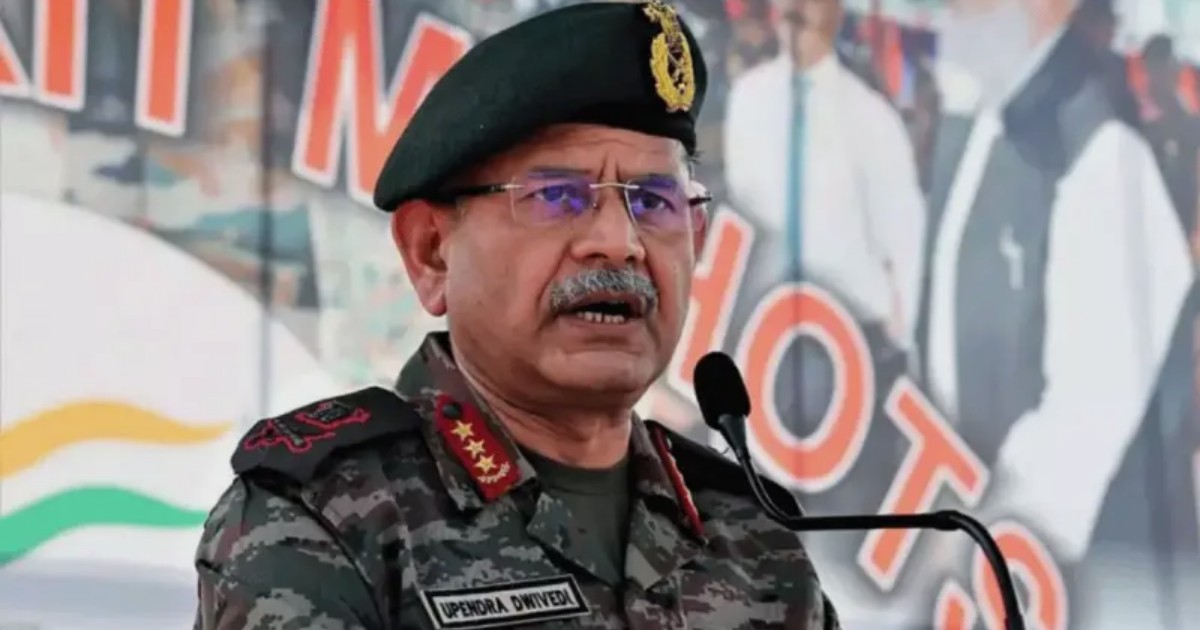
The friction erupted after General Upendra Dwivedi delivered a sharp warning during an interaction session in New Delhi on Saturday.
The Indian general claimed that if Islamabad continues to harbor cross-border elements and engage in anti-India activities, the nation must decide whether it wishes to remain a part of geography or become history. He further implied that India’s military response to cross-border infiltration could grow significantly harsher under current operational mandates. Referencing past cross-border tactical operations, the army chief noted that the armed forces stand fully prepared to deliver necessary retaliatory measures if a matching situation arises on the frontier. Geopolitical analysts view the general`s remarks as a strict, aggressive reaffirmation of New Delhi`s hardening strategic stance against its long-standing neighbor.
In its immediate counter-statement, Pakistan`s military apparatus rejected the Indian Army Chief threat, labeling it entirely counterproductive to regional peace and stability. The ISPR stated that directing such aggressive narratives against a sovereign state equipped with strategic nuclear capabilities presents a severe risk to the geopolitical equilibrium of the entire region. The military wing added that Pakistan remains a cornerstone of South Asian stability and categorized the remarks as a direct violation of established international diplomatic norms. The official document urged Indian policymakers to practice strategic maturity and exercise institutional restraint to avoid unnecessary escalation.
Long-standing political differences and recurring military face-offs, particularly over the disputed Kashmir territory, have historically kept bilateral relations between New Delhi and Islamabad fragile. Past instances of border skirmishes and counter-accusations of state-sponsored militancy have repeatedly driven both administrations to the brink of military standoffs. With no high-level diplomatic channels or bilateral meetings currently scheduled between the two nations, global observers are closely monitoring the current escalation to measure its long-term impact on regional stability. The sudden emergence of this Indian Army Chief threat underscores a deepening tactical divide that could complicate future stabilization efforts in South Asia.