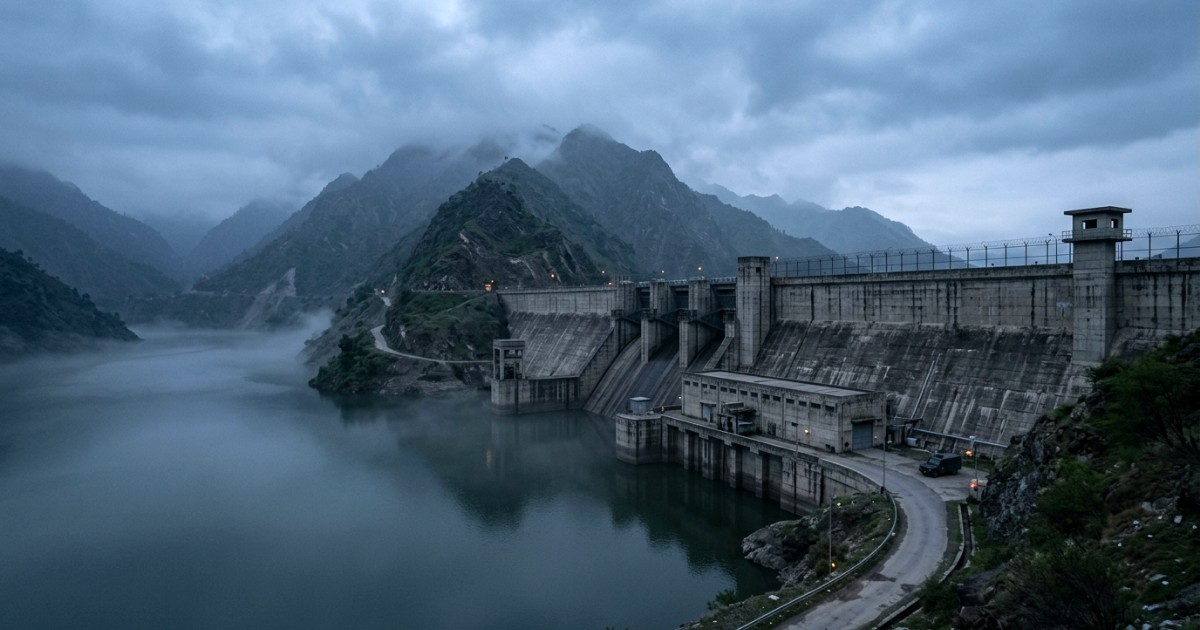
India has officially rejected a recent verdict issued by the Permanent Court of Arbitration in The Hague regarding the long-standing Indus Waters Treaty with Pakistan. On May 15, the international tribunal delivered a ruling regulating the maximum permissible water storage limits, or maximum pondage, for India`s ongoing hydropower installations in Jammu and Kashmir. Within twenty-four hours, New Delhi dismissed the legal validity of the panel, declaring any conclusions from the body completely void.
New Delhi has consistently refused to recognize the legality of this specific tribunal.
During a press briefing on Saturday, May 16, India`s Ministry of External Affairs spokesperson Randhir Jaiswal stated that the composition of the arbitration court directly violates the core operational framework of the original 1960 agreement. He emphasized that India will sustain its unilateral suspension of the treaty and continue its efforts to divert regional water flows. New Delhi originally froze the treaty following a significant cross-border militant attack in Pahalgam, Indian-administered Kashmir. Indian authorities maintain that the diplomatic freeze will remain active until Islamabad halts its alleged support for cross-border militancy on its soil.
Although the international tribunal in the Netherlands ruled that no state can unilaterally freeze the historic water pact, India has chosen to ignore the judicial order. Brokered by the World Bank in 1960, the Indus Waters Treaty explicitly allocated the primary usage rights of the Indus, Jhelum, and Chenab rivers to Pakistan. Under the current suspension framework, India plans to systematically reroute massive volumes of water toward its domestic agricultural networks and power grids in Jammu and Kashmir.
Strategic observers warn that India`s direct defiance of the international court and its plans for unilateral water diversion could severely aggravate tactical tensions between the two nuclear-armed neighbors. No bilateral discussions are currently scheduled between the two nations to resolve the unfolding water security crisis.