Iran and the United States continue to engage in indirect negotiations, though a definitive deal remains elusive amidst an air of mutual distrust and ongoing military skirmishes. Recent reports from the US military indicate strikes on missile launch sites, while Iranian state media claims their military has retaliated. Despite the volatility, a fragile ceasefire that began on April 8 remains intact.Market signals suggest some optimism.
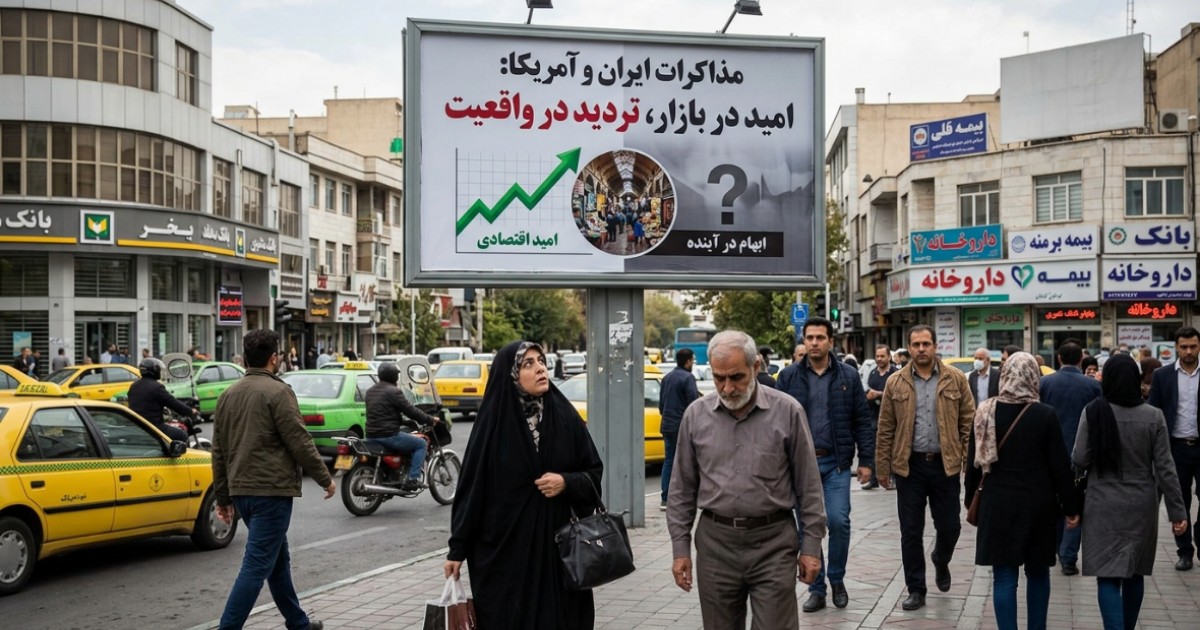
In Tehran, the national currency has experienced a notable gain, rising more than 5 percent this week. On Tuesday morning, the rial was trading at approximately 1.73 million against the US dollar. Simultaneously, the Tehran Stock Exchange has rebounded, with its main index climbing back above 4 million points. These fluctuations reflect a market cautiously pricing in the possibility of a diplomatic breakthrough.The broader economy remains under extreme duress.
Mismanagement coupled with US-imposed pressures, including a naval blockade, has decimated supply chains. With imports from the United Arab Emirates virtually non-existent due to heightened tensions, essential goods are becoming increasingly scarce and expensive. Vendors in downtown Tehran report that customers are struggling to keep up with the soaring prices of imported digital goods and everyday necessities.The human impact of the status quo is significant.
Persistent inflation and a nationwide internet shutdown continue to erode the livelihoods of ordinary citizens. While President Masoud Pezeshkian has ordered efforts to restore internet access, authorities have yet to fully implement these measures. For many residents, like retired engineer Dariush, the lack of clarity regarding the future remains the most distressing aspect of the current situation.
Art teacher and sculptor, speaking anonymously, suggested that a potential agreement could leave Iran in a stronger position than it held prior to the war. Others are more skeptical, arguing that even a formal memorandum of understanding would offer little long-term security for the population. Whether or not these talks culminate in a lasting peace, the debate continues to intensify among Iranian political factions.
Hardline factions within Iran are advocating for minimal concessions, arguing that the country`s survival through 40 days of attacks and blockades has bolstered their negotiating leverage. Meanwhile, newspapers such as Keyhan have criticized the negotiations, calling for a halt until international diplomatic disputes—such as visa issues for Iranian officials—are resolved. As it stands, the path forward remains highly complex.