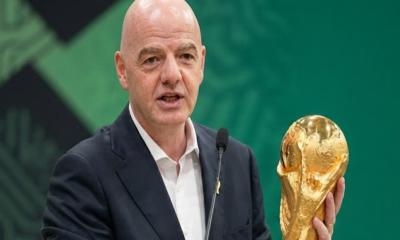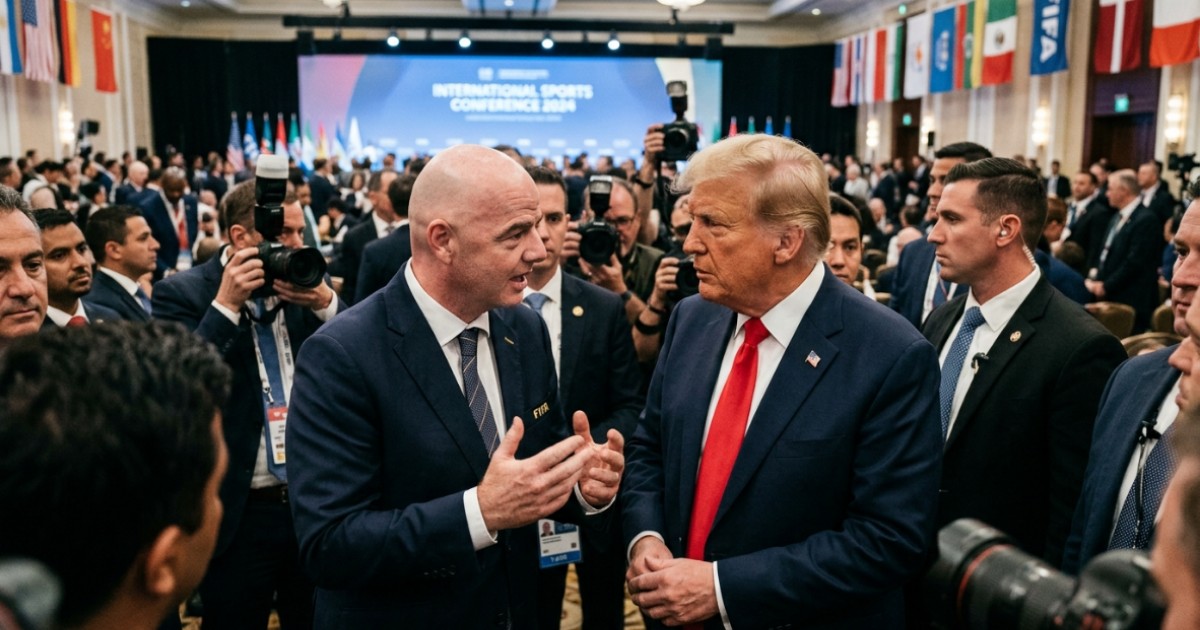
FIFA President Gianni Infantino sought support from the Trump administration amid mounting criticism following his abandoned plan to sell a stake in World Cup commercial rights, according to reports from Reuters and Al Jazeera. The New York Post reported on Monday that the FIFA chief had repeatedly tried and failed to reach US President Donald Trump by phone since the controversial proposal collapsed on Friday. Infantino reportedly felt isolated and overwhelmed by an avalanche of negative media coverage across international sports networks.
The controversy erupted after FIFA attempted to spin off the global football governing body`s commercial assets into a new entity backed by private investors, aiming to unlock up to four billion dollars from external sources. The initiative faced fierce resistance from stakeholders, most notably European football`s governing body UEFA, which strongly condemned the commercialization of the sport`s core assets. Faced with intense pressure and mounting rebellion from member associations, Infantino was forced to abandon the project late last week, throwing his political future into serious jeopardy.
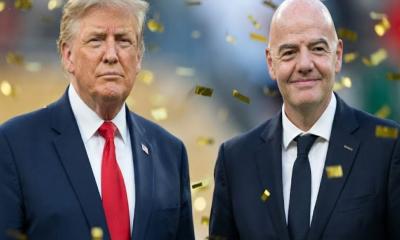
Trump and Infantino have forged a notably close relationship over recent years, with the two figures appearing together at several major soccer events, including the recent World Cup co-hosted by the United States, Mexico, and Canada. This alliance was further highlighted in December when Infantino presented the US president with an inaugural FIFA peace prize and established strategic partnerships with administration-backed initiatives. Given this established rapport, the embattled FIFA president evidently hoped to leverage Washington`s political backing to stabilize his position.
However, reports indicated that Infantino`s attempts to secure immediate communication with the White House proved unsuccessful following the collapse of the deal. While sources cited by the New York Post suggested that the FIFA chief scheduled private discussions with senior diplomatic officials, administration representatives publicly downplayed any formal engagement. A senior US official stated on social media that there were no official plans for top diplomats to hold calls with the Swiss-Italian sports administrator, leaving Infantino`s diplomatic outreach largely unfulfilled.
The failed commercial venture has triggered wider governance questions within international sports administration. Critics and regional confederations argue that shifting core tournament rights into private equity hands undermines the democratic structure and non-profit mandate of global football. Legal experts and sports analysts note that the fierce pushback from European associations has permanently altered the internal power dynamics within FIFA. What remains unclear is whether Infantino can successfully rebuild consensus among member federations ahead of his upcoming electoral cycle or if this unprecedented setback will end his tenure.
The fallout from the aborted privatization plan continues to reverberate across the global sports landscape. Major sponsors, national associations, and player unions are increasingly demanding greater transparency and accountability regarding how commercial revenues are distributed across grassroots football. As internal dissent grows within FIFA`s executive committee, Infantino faces a daunting challenge to restore institutional stability. The coming weeks will prove critical in determining whether the leadership can weather the political storm or face sustained structural challenges from powerful regional blocks.