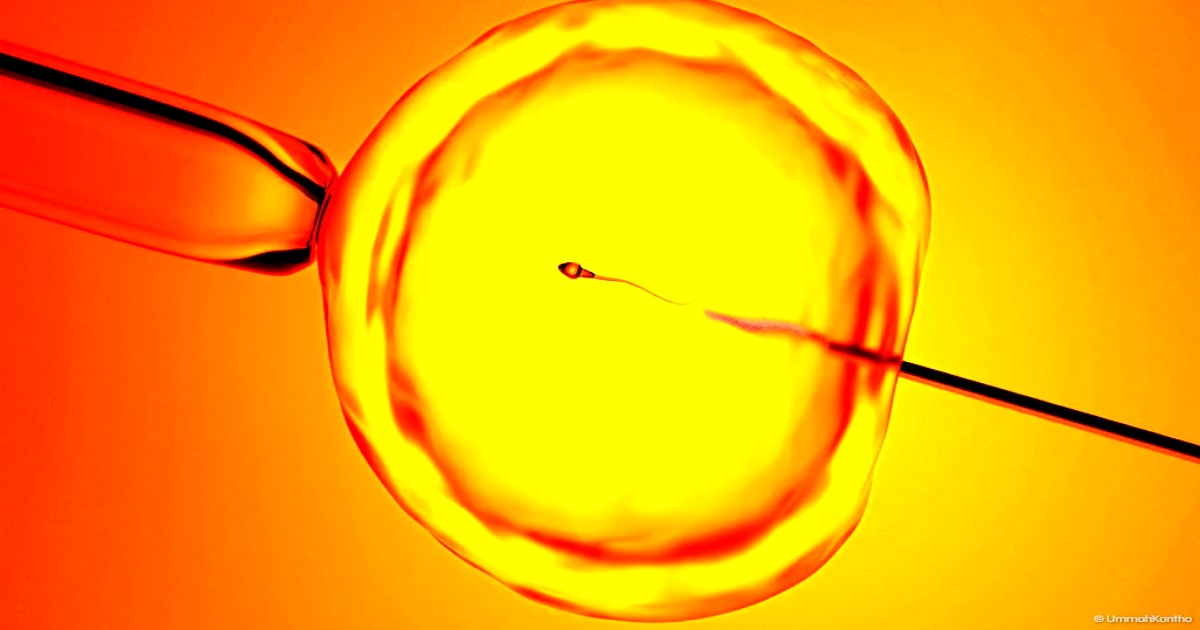
A revolutionary AI-powered technology is transforming the landscape of reproductive medicine by finding "hidden" sperm in men previously told they were biologically infertile. Developed by researchers at Columbia University, the Sperm Track and Recovery (STAR) system is offering a new lease on hope for couples who have spent years struggling with the emotional and physical toll of infertility.
The breakthrough centers on a condition known as azoospermia, where a man has no detectable sperm in his ejaculate. This condition affects approximately 1% of all men and up to 10% of those seeking fertility treatment. For many, like Samuel, a resident of New Jersey, the cause is Klinefelter syndrome—a genetic condition where a male is born with an extra X chromosome. Samuel had been told his chances of having a biological child were as low as 20%, a devastating blow for someone who viewed fatherhood as a central part of his identity.
However, the STAR system changed everything for Samuel and his wife, Penelope. By utilizing machine learning algorithms, the system was able to scan Samuel`s samples with unprecedented precision. After years of research and clinical trials, the couple finally welcomed a pregnancy from a single embryo—a miracle made possible only by the AI`s ability to locate one rare sperm cell in a sea of cellular debris.
Dr. Zev Williams, Director of the Columbia University Fertility Center, hit on the idea for the system back in 2020. He drew inspiration from astronomy, specifically how artificial intelligence is used to identify new stars in the overwhelming vastness of space. In the same way that telescopes produce too much data for human eyes to process efficiently, a semen sample from an azoospermic patient contains thousands of cell fragments that hide the rare individual spermatozoa.
The mechanics of the STAR system involve microfluidic chips etched with channels as thin as a human hair. As the sample flows through these channels, a high-speed imager captures 300 images per second. The AI algorithm analyzes these images in real-time, detecting a single sperm cell in just a few milliseconds. According to Dr. Williams, the system has demonstrated a 100% sensitivity rating, meaning if a single sperm is present, the AI will find it. This is a massive leap over manual searches by human technicians, as the AI has proven to be 40 times more effective.
The first baby conceived using the STAR system was born late last year, marking a historical moment for the fertility center. Since then, the success stories have continued to grow. Out of the latest 175 patients treated with the technology, sperm was successfully located in nearly 30% of cases. These were individuals who had previously been told they had zero chance of conceiving using their own genetic material.
This technological advancement does more than just solve a biological puzzle; it addresses a profound human crisis. Male infertility contributes to half of all infertility cases worldwide, yet it often carries a heavy social stigma. By providing a clear, scientific path to fatherhood for those with azoospermia, the STAR system is not just an engineering triumph but a deeply empathetic tool that is reconstructing families one millisecond at a time. As the waiting list for this technology grows into the hundreds, the era of AI-driven fertility care appears to have firmly arrived.