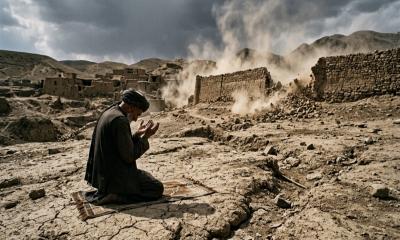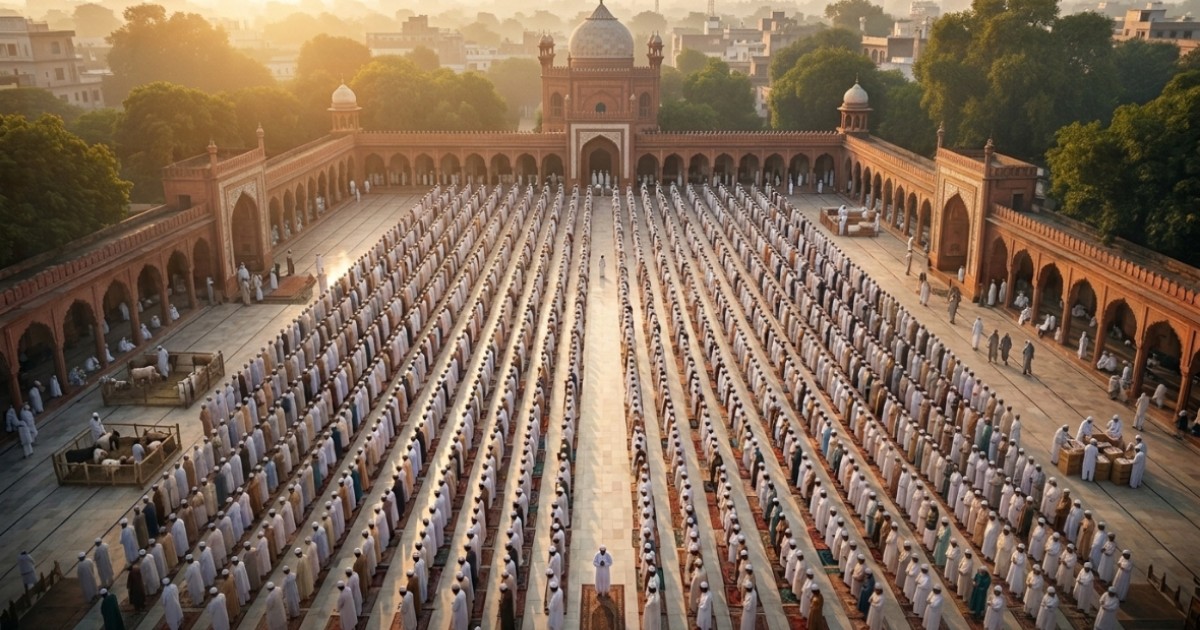
Eid al-Adha stands as one of the most vital holy days in the Islamic calendar, centering on worship and the profound realization of devotion to Allah. The core essence of the festival is grounded in self-purification, Taqwa, and absolute submission to the Creator. Prophet Muhammad (SAW) observed specific practices and Sunnah traditions on this day that remain the gold standard for Muslims globally. Following these prophetic models ensures that the day is marked by spiritual depth rather than mere ritual.Reciting the Takbir al-Tashreeq is a fundamental duty during this period.
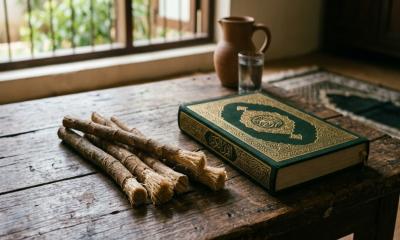
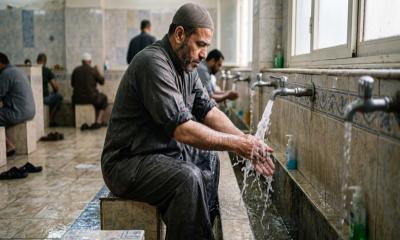
From the Fajr prayer on the 9th of Dhul Hijjah until the Asr prayer on the 13th, the recitation of Takbir al-Tashreeq is considered wajib after every obligatory prayer. Furthermore, performing the ritual bath (Ghusl), using a Miswak, and wearing clean, decent clothing are well-established Sunnah practices. While dressing elegantly is encouraged, the priority remains on cleanliness rather than the necessity of new garments. Men are also encouraged to apply perfume, though women should refrain from wearing fragrance when departing from their homes.
Refraining from food until after the Eid al-Adha prayer is a specific Sunnah practice of the Prophet (SAW). He would not consume any food on the morning of the festival until he had returned from the congregation, where he would then break his fast with meat from his own sacrifice. Departing for the Eidgah on foot, provided there are no legitimate excuses, and utilizing different routes for going and returning are also part of the prophetic tradition. Raising the voice to recite Takbirs while walking to the prayer ground further aligns with these sacred observances.
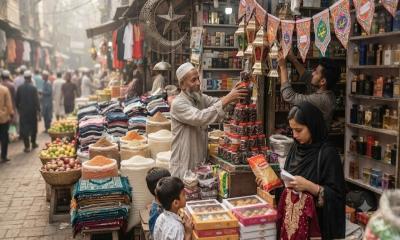
While performing the prayer in an open field or Eidgah is considered more virtuous, doing so in a mosque is entirely permissible if circumstances require it. Following the prayer, listening to the Imam`s sermon is Sunnah, and it is considered obligatory for the congregants to remain attentive throughout. Distributing the meat from the Qurbani into three equal portions—for the family, for relatives, and for those in need—is a practice that exemplifies the communal spirit of the festival.
Exchanging greetings by saying "Taqabbalallahu minna wa minkum" (May Allah accept from us and from you) was the traditional method of wishing one another well among the companions of the Prophet. Conversely, engaging in un-Islamic activities like excessive musical performances or immodest behavior is strictly prohibited. The true beauty of Eid is found in Sunnah-compliant worship, charity, and purification of the soul. As highlighted in the Quran, it is not the blood or meat that reaches Allah, but rather the Taqwa of the believer.