The traditional landscape of modern battlefields is undergoing a profound and rapid transformation. For decades, military dominance was defined by heavy armored tanks, sophisticated fighter jets, and massive ground forces, but automated systems are now reshaping the front lines. A recent investigative report by BBC News highlights how artificial intelligence is taking full operational control of the latest generation of military drones, operating independently of remote human operators. This technological shift is fundamentally challenging established military doctrines and forcing defense strategists worldwide to reconsider future combat operations.
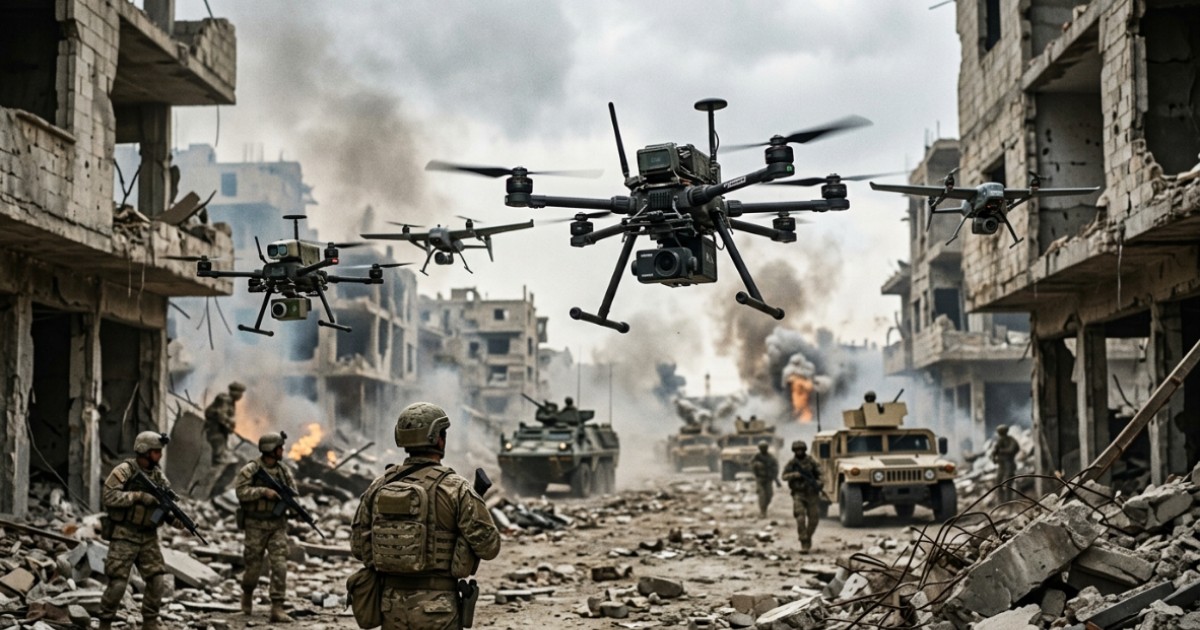
Unmanned aerial vehicles have steadily diminished the strategic necessity of traditional heavy military hardware by offering unmatched flexibility and precision. While early drone warfare heavily relied on continuous human oversight and real-time remote communication links, contemporary advancements have completely surpassed those operational limitations. Empowered by advanced artificial intelligence algorithms, modern drones can independently process complex battlefield data and make tactical decisions in dynamic environments. From identifying high-value targets to executing precise strikes, these autonomous systems drastically reduce human intervention during critical combat phases.
The extensive deployment of drones across active conflict zones in recent years has vividly demonstrated their tactical superiority and changing operational dynamics. Major defense contractors and regional military forces are pouring record investments into the research and production of autonomous aerial platforms. According to reports from BBC News and Reuters, the ability to deliver precise tactical strikes at a fraction of the cost associated with traditional combat aircraft has driven a surge in global demand. However, the accelerating weaponization of artificial intelligence has simultaneously ignited intense international debate regarding military ethics, accountability, and the future of warfare.
Equipped with sophisticated machine learning frameworks, these advanced drones are capable of operating independently even within heavily contested and adversarial electronic warfare environments. When hostile jamming or signal interruption severs remote communication links, onboard artificial intelligence systems enable the drones to autonomously navigate and complete their assigned missions. Proponents of autonomous weapons argue that removing soldiers from immediate physical danger minimizes battlefield casualties and enhances operational efficiency. Conversely, human rights organizations and legal experts caution that delegating lethal force decisions to machines introduces unprecedented security risks and moral dilemmas.
Global superpowers and regional powers are currently locked in a high-stakes technological arms race centered on artificial intelligence capabilities in defense. This competitive race is introducing complex new pressures into international diplomacy, geopolitical stability, and global security frameworks. Policy makers and defense analysts increasingly emphasize the urgent need for robust international treaties to regulate autonomous weapon systems and prevent unintended escalations. As military technology continues its relentless progression, the future trajectory of global security will depend heavily on effective oversight, international cooperation, and strict regulatory boundaries governing artificial intelligence in combat.
Defense analysts caution that the unhindered integration of artificial intelligence into warfare risks eroding the vital threshold of human moral judgment in combat zones. The absence of comprehensive international accountability frameworks regarding algorithmic errors or unintended military escalations remains a critical geopolitical vulnerability. As military organizations rush to deploy autonomous capabilities, diplomatic institutions struggle to establish meaningful guardrails. Consequently, the global community stands at a historic crossroads, balancing the relentless pursuit of technological supremacy against the imperative of preserving human control over lethal force.