Charging cables are perhaps the most overlooked pieces of technology in our daily lives—until they fail, leaving us with a dead smartphone and a sense of frustration. While we often blame the manufacturers for "planned obsolescence," experts suggest that we are usually the ones responsible for their demise. Michael Pecht, founder of the Center for Advanced Life Cycle Engineering at the University of Maryland, runs what he calls a "morgue for electronics," and his research indicates that our daily habits are the primary reason these essential wires keep failing.
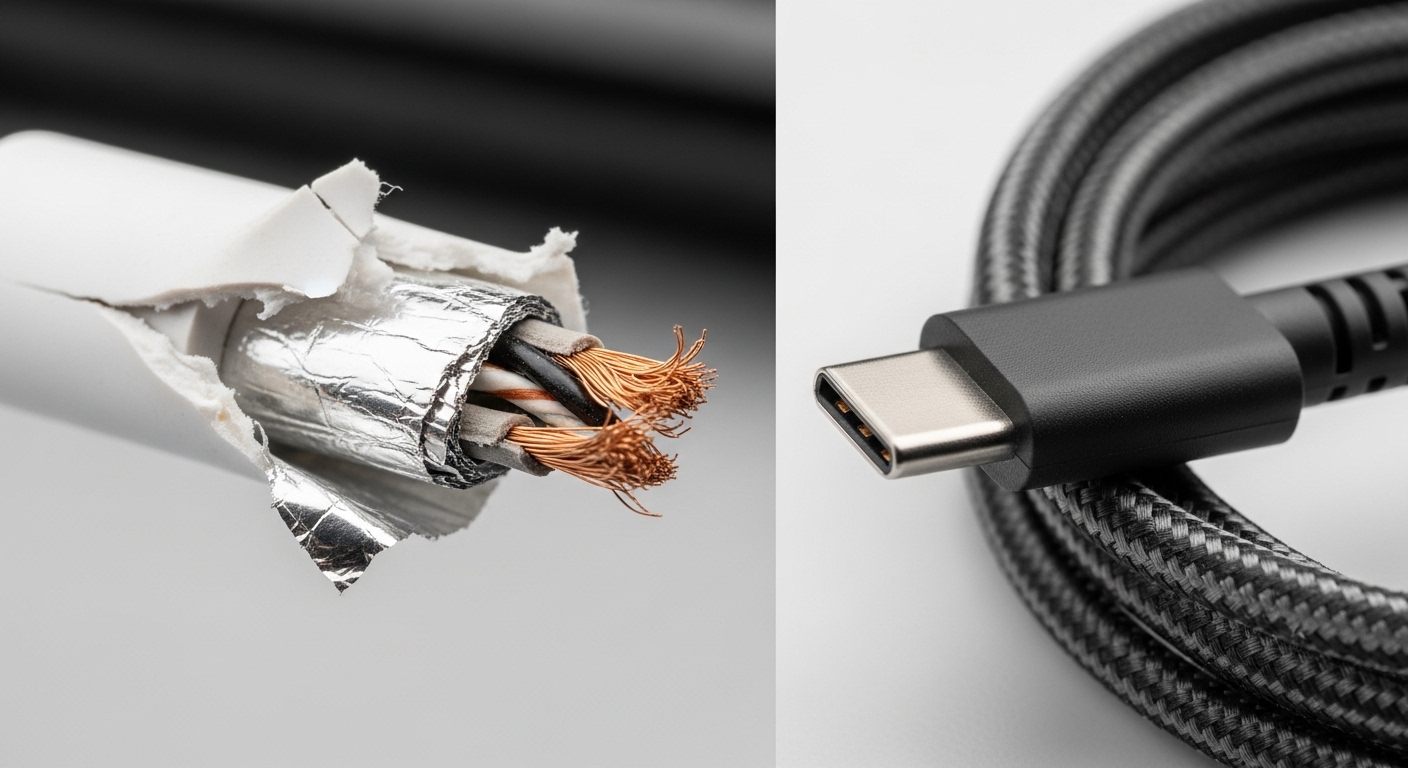
For years, many of us have followed a strict "cable philosophy": wrapping wires in loose, concentric circles to avoid internal damage. However, Pecht’s team has subjected USB cables to various "horrors" in the lab and reached a surprising conclusion: how you wrap the cable doesn`t really matter. Despite common belief, researchers have found almost no failures resulting from simply coiling a cable improperly. Instead, the damage is almost always concentrated at a specific anatomical point: where the flexible wire meets the rigid plastic plug.
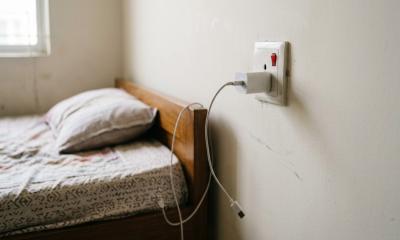
To understand why cables snap, one must look at the microscopic level. Robert Hyers, a materials engineer, explains that metal wires inside a cable consist of atoms bonded in a specific grid. When a cable is bent repeatedly at a sharp angle—like a paperclip being worked back and forth—defects called "dislocations" accumulate. Eventually, the metal hardens and snaps. This is exactly what happens when you use your phone in bed while it’s plugged in, forcing the cable to bend sharply against your chest or the mattress.
According to Kyle Wiens, co-founder of iFixit, the most destructive habit is pulling on the long part of the cable to unplug it rather than gripping the hard plastic connector. This puts immense tension on the internal solder points. Another common culprit is the car cup holder. Propping a phone up on its charging port while driving subjects the cable to the constant weight of the phone plus the vibration of the road, which Wiens describes as "just cruel" to the hardware.
The solution to "cable fatigue" lies in both behavior and selection. Experts recommend investing in high-quality, braided cables rather than the cheap, plastic-coated versions found at gas stations. Braided cables use nylon mesh or textiles to provide structural shielding, protecting the internal wires from sharp bends. Even tech giants like Apple have shifted toward braided designs in their latest models to improve longevity and consumer satisfaction.
Ultimately, caring for your cables is about more than just convenience; it is better for your wallet and the environment. By simply reaching for the plug instead of the wire and ensuring your cables aren`t stretched or bent at extreme angles, you can extend the life of your technology significantly. Cables exist to be functional, and with a little respect for the microscopic atoms holding them together, they might just last longer than the devices they charge.