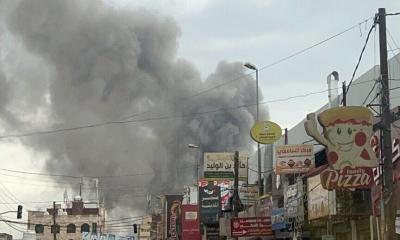
As Iran engages in complex diplomatic negotiations with the United States to bring an end to the active three-month war, the nation confronts a catastrophic domestic emergency that has been largely overshadowed by military developments. Long-standing vulnerabilities have rapidly expanded into a critical crisis following direct airstrikes on vital civilian infrastructure. US and Israeli military bombardments have severely damaged freshwater desalination plants, distribution pipelines, and utility facilities across multiple provinces. According to international news agency reports, the targeting of these municipal networks has heavily compromised the daily water supply for tens of thousands of rural and urban citizens.The domestic resource scarcity has reached an unprecedented breaking point.
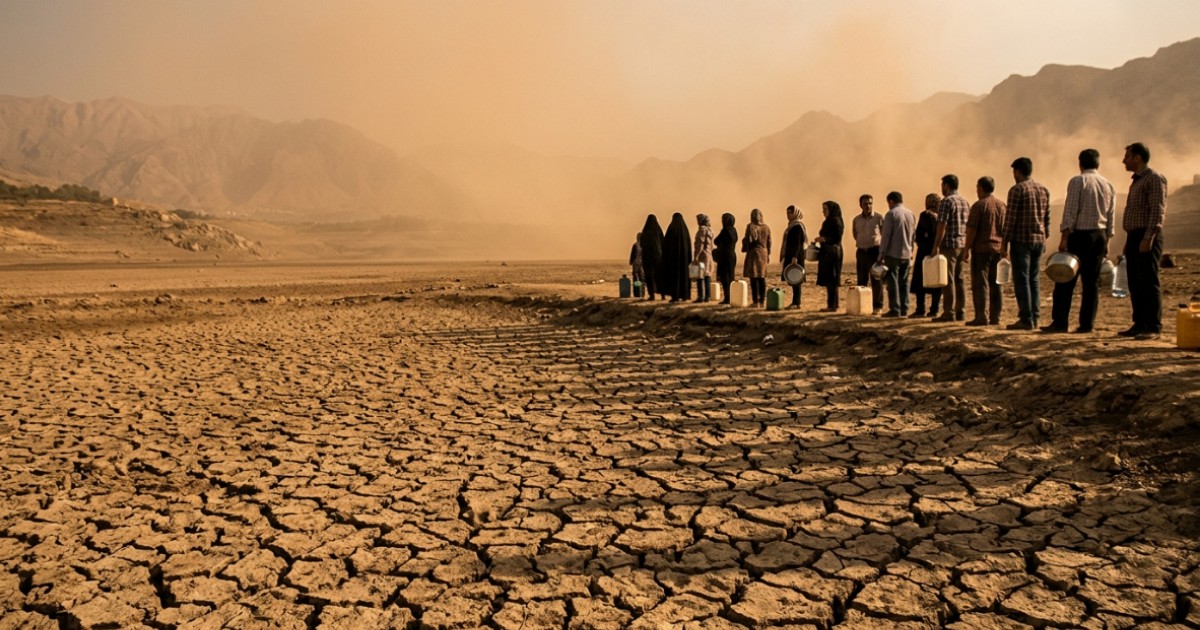
Statistical evaluations provided by the World Resources Institute`s Aqueduct Data place the Islamic Republic`s baseline water stress within the "extremely high" risk category. This metric indicates that the country routinely consumes more than 80 percent of its total renewable water topography in an average year, leaving groundwater tables severely depleted. The current situation follows a devastating baseline in November 2025, when Iran recorded its fifth consecutive year of severe drought, leaving nineteen major reservoirs entirely dry. Tehran`s primary water source, the Amir Kabir Dam, plummeted to a mere 8 percent of its total volumetric capacity during the peak of the dry spell. President Masoud Pezeshkian issued a stern national warning at the time, stating that a lack of winter rainfall would trigger mandatory domestic rationing and potentially force a partial evacuation of the capital city. While mass evacuations were ultimately averted, the acute shortages sparked widespread socio-economic protests across the country through December 2025 and January 2026.
The root causes of the structural depletion stem from decades of agricultural mismanagement combined with systemic climate change. Following the 1979 Islamic revolution, the government heavily prioritized complete food self-sufficiency, a policy that intensified significantly under decades of international economic sanctions. To achieve this, water-intensive crops like rice and heavy industrial manufacturing like steel were systematically introduced into arid regions entirely unsuited for high consumption, accounting for roughly 90 percent of national water usage. A prominent example is the Zayandeh Rud river in Isfahan province, which now remains entirely parched for most of the year due to excessive upstream dam building and industrial over-pumping. Additionally, foreign sanctions have prevented the state from importing modern, efficient irrigation technology to overhaul its crumbling state infrastructure.
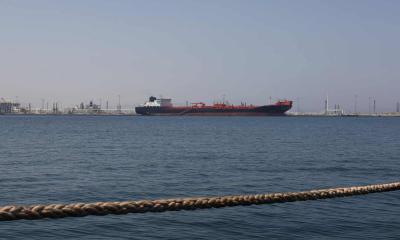
The active conflict has directly compounded these ecological fractures, according to official ministerial accounts. On March 7, Iranian Foreign Minister Abbas Araghchi confirmed that a US bombardment had successfully destroyed a major freshwater desalination facility on Qeshm Island, located in the strategically vital Strait of Hormuz, instantly cutting off supplies to thirty local villages. Additionally, a recent scientific analysis published by LiveScience estimated that military destructions between February 28 and March 14 alone released nearly 5.6 million tonnes of carbon dioxide and greenhouse gases, worsening regional global warming trends. The government had previously attempted to bypass the prolonged drought in November by initiating widespread cloud-seeding operations to induce artificial rainfall. However, experts warn that as state focus and financial resources are inevitably diverted toward postwar military reconstruction, the structural resolution of the Iran water crisis will face severe long-term delays.